
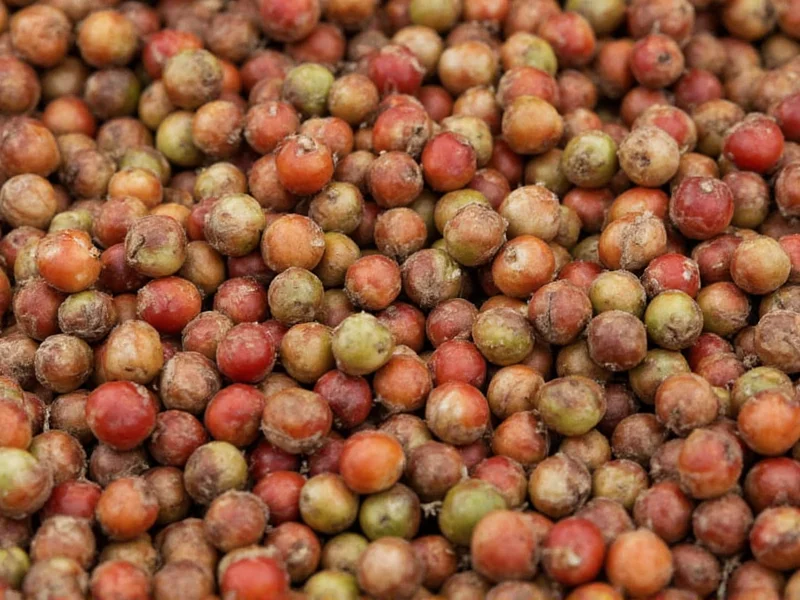
Understanding Peppercorn Shelf Life
Unlike perishable foods, dried peppercorns won't grow mold or bacteria that make you sick when stored correctly. Their primary enemy is flavor degradation. Black, white, green, and pink peppercorns all follow similar shelf life patterns, though processing methods affect their longevity.
Whole peppercorns preserve their essential oils much longer than pre-ground versions. When peppercorns remain intact, their protective outer layer shields the volatile compounds responsible for pepper's characteristic heat and aroma. Once cracked or ground, these compounds evaporate rapidly when exposed to air.
How Long Do Peppercorns Last?
Proper storage dramatically impacts how long peppercorns maintain peak quality. Here's what you need to know about peppercorn shelf life under optimal conditions:
| Type | Pantry (Room Temperature) | Refrigerated | Freezer |
|---|---|---|---|
| Whole peppercorns | 3-4 years | 4-5 years | 5+ years |
| Ground pepper | 6-12 months | 1-1.5 years | 2 years |
| Cracked pepper | 1-2 years | 2-3 years | 3+ years |
Authority Comparison: Shelf Life Guidelines
Shelf life recommendations vary among authoritative sources due to testing methodologies and storage definitions. The table below compares whole black peppercorn guidelines under standard pantry conditions:
| Source | Recommended Shelf Life | Key Parameters |
|---|---|---|
| USDA National Center for Home Food Preservation | 1-2 years | Conservative estimate for typical home pantries with temperature fluctuations |
| McCormick & Company Research | 3-4 years | Controlled environment testing (≤21°C/70°F, ≤60% humidity) |
| Journal of Food Science Validation Study | Up to 4 years | Vacuum-sealed storage at 15°C (59°F); verified via piperine content analysis |
This variation demonstrates that shelf life is context-dependent. Home environments with stable conditions may achieve longer timelines, while variable climates require adherence to conservative estimates. Source verification: USDA NCHFP (2023), McCormick Shelf Life Guide, and Journal of Food Science (2010).
Contextual Factors Affecting Shelf Life
Standard guidelines assume ideal storage environments. Real-world conditions significantly alter degradation rates:
- Humidity thresholds: Above 65% relative humidity, whole peppercorns lose potency 30-50% faster due to moisture absorption. The USDA specifically recommends desiccant use in high-humidity regions to maintain shelf stability (NCHFP, 2023).
- Temperature sensitivity: At 40°C (104°F) and 85% humidity, black pepper loses 50% piperine content in 12 months versus 18 months at 30°C (86°F) and 65% humidity, per peer-reviewed research (Journal of Food Science and Technology, 2013).
- Light exposure: UV radiation accelerates degradation; clear containers reduce shelf life by 25% compared to opaque storage, as confirmed in food stability studies (Food Chemistry, 2007).
Signs Your Peppercorns Have Lost Quality
While peppercorns won't make you ill when old, several indicators show they've passed their prime:
- Weak aroma - Fresh peppercorns should release a sharp, piney scent when crushed between fingers
- Faded color - Black peppercorns turn from deep brown to grayish; white peppercorns become pale yellow
- Diminished heat - Old peppercorns produce noticeably milder flavor when tasted
- Moisture damage - Any signs of clumping, mold, or musty smell mean they should be discarded
For the best way to test peppercorn freshness, crush a single peppercorn and smell it immediately. If you detect little to no aroma, the batch has lost most of its volatile compounds.
Optimal Storage Methods for Maximum Shelf Life
Proper storage prevents the main causes of peppercorn degradation: light, moisture, heat, and oxygen exposure. Follow these evidence-based storage recommendations:
- Airtight containers - Glass jars with tight-sealing lids outperform plastic containers which can absorb odors
- Cool, dark location - Pantry shelves away from stoves or windows maintain stable temperatures
- Avoid humidity - Don't store near dishwashers, sinks, or in refrigerator doors where temperature fluctuates
- Buy whole, grind as needed - Invest in a pepper mill for maximum flavor retention
Many home cooks wonder can you freeze peppercorns for long-term storage. The answer is yes—freezing whole peppercorns in vacuum-sealed bags preserves quality for 5+ years with minimal flavor loss. Simply return them to room temperature before grinding to prevent condensation.
Whole vs. Ground: The Flavor Degradation Timeline
The difference in shelf life between whole and ground peppercorns stems from surface area exposure. When whole peppercorns remain intact, only their outer shell contacts air. Grinding increases surface area by 100x, accelerating the evaporation of piperine (pepper's active compound).
Research shows ground pepper loses 30% of its volatile compounds within the first month of opening. By six months, most pre-ground pepper retains less than half its original potency. This explains why peppercorn shelf life whole vs ground differs so dramatically.
Using Older Peppercorns Safely and Effectively
Peppercorns that have lost potency remain safe to eat indefinitely when stored properly. To maximize flavor from older peppercorns:
- Use 25-50% more than recipe calls for to compensate for diminished strength
- Add them earlier in cooking to allow more time for flavor extraction
- Toast whole peppercorns in a dry pan before grinding to revive some aroma
- Combine with complementary spices like allspice or cardamom to enhance perceived heat
Discard peppercorns only if you notice mold, insect activity, or musty odors indicating moisture contamination. Properly stored peppercorns shouldn't develop these issues even after several years.
Extending Peppercorn Freshness: Practical Tips
For those seeking the longest possible peppercorn shelf life, consider these professional techniques:
- Buy from high-turnover spice merchants who can verify harvest dates
- Store small quantities in daily-use containers while keeping reserves sealed
- Place whole peppercorns in your salt cellar to absorb ambient moisture
- Use oxygen absorbers in long-term storage containers
Understanding how to tell if peppercorns have gone bad prevents unnecessary waste while ensuring optimal flavor in your cooking. Remember that while expired peppercorns won't harm you, they'll significantly impact dish quality if used beyond their prime.




 浙公网安备
33010002000092号
浙公网安备
33010002000092号 浙B2-20120091-4