
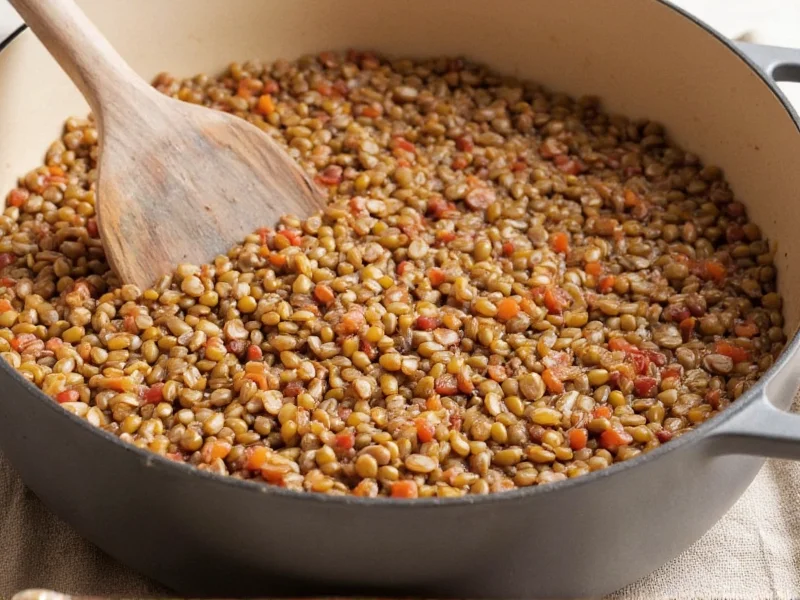
The Complete Guide to Perfect Lentil Preparation
Mastering lentil preparation unlocks one of nature's most nutritious and versatile ingredients. Unlike many dried legumes, lentils offer the convenience of minimal prep while delivering exceptional protein, fiber, and essential nutrients. Whether you're creating hearty salads, comforting soups, or flavorful dals, understanding the nuances of different lentil varieties transforms this humble pulse into culinary gold.
Understanding Lentil Varieties and Their Unique Needs
Not all lentils behave the same way during preparation. Recognizing these differences ensures perfect results every time you're preparing lentils for soups or other dishes. Each variety has distinct cooking properties that affect texture, cooking time, and ideal applications.
| Lentil Type | Appearance | Cooking Time | Best Uses | Special Notes |
|---|---|---|---|---|
| Green/Brown Lentils | Olive green/tan, disc-shaped | 20-30 minutes | Salads, side dishes, stews | Hold shape well; earthy flavor |
| French Green (Puy) | Small, dark green with mottled skin | 25-35 minutes | Salads, gourmet dishes | Premium variety with peppery taste |
| Red/Yellow Lentils | Orange-yellow, often split | 15-20 minutes | Dals, soups, purees | Break down completely when cooked |
| Black (Beluga) | Small, shiny black spheres | 25-30 minutes | Caviar substitute, salads | Richest flavor profile; holds shape |
Step-by-Step Lentil Preparation Method
Follow these professional lentil cooking techniques to achieve perfect results regardless of variety:
1. Sorting and Rinsing (Non-Negotiable Steps)
Spread lentils on a light-colored surface to spot debris. Remove any stones, damaged lentils, or foreign matter. Rinse thoroughly in a fine-mesh strainer under cold running water. This critical step when preparing lentils properly removes dust and potential contaminants.
2. Water Ratio and Cooking Vessel
Use a 2:1 water-to-lentil ratio for most varieties (3 cups water per 1.5 cups lentils). Always use a heavy-bottomed pot with a tight-fitting lid. While many wonder do lentils need to be soaked, the answer is no—unlike beans, lentils cook quickly without presoaking, though a quick rinse is essential.
3. Cooking Process
Bring water to a boil, add rinsed lentils, then reduce to a gentle simmer. Avoid stirring frequently, which can cause breakage. Never add salt or acidic ingredients (tomatoes, vinegar, lemon) until lentils are nearly tender, as these compounds interfere with softening. Check for doneness starting at 15 minutes for red lentils or 25 minutes for green varieties.
4. Achieving Perfect Texture
Test lentils by pressing between fingers—they should be tender but retain shape (except for red/yellow varieties, which should break down completely). Drain any excess liquid immediately when done. For salads, spread cooked lentils on a baking sheet to cool quickly and prevent overcooking.
Common Lentil Preparation Mistakes and Solutions
Even experienced cooks encounter issues when preparing lentils for beginners. Here's how to solve frequent problems:
- Mushy lentils: Caused by overcooking or adding salt too early. Solution: Reduce cooking time and add salt only after lentils are tender.
- Undercooked lentils: Often from insufficient water or high heat. Solution: Add 1/4 cup hot water and continue simmering.
- Bitter taste: Results from poor rinsing. Solution: Rinse lentils thoroughly until water runs clear.
- Skinned lentils: Occurs from vigorous stirring. Solution: Stir gently only when necessary.
Maximizing Nutritional Benefits Through Proper Preparation
How you prepare lentils significantly impacts their nutritional profile. The best way to prepare lentils for maximum nutrition involves:
- Skipping soaking to preserve water-soluble vitamins
- Adding vitamin C-rich ingredients (like lemon juice) after cooking to enhance iron absorption
- Pairing with grains for complete protein profiles
- Avoiding excessive cooking times that degrade nutrients
Properly prepared lentils provide 18g protein and 15g fiber per cooked cup, plus significant iron, folate, and manganese. The cooking method affects nutrient availability—gentle simmering preserves more nutrients than rapid boiling.
Storage and Reheating Guidelines
Store cooled cooked lentils in airtight containers:
- Refrigerator: Up to 5 days
- Freezer: Up to 6 months (portion in 1.5 cup servings)
When reheating properly stored cooked lentils, add a splash of water or broth to restore moisture. Never microwave lentils without covering, as this causes uneven heating and texture loss.
Advanced Preparation Techniques
Elevate your lentil dishes with these professional methods:
- Tosting lentils: Dry-toast rinsed lentils in your pot for 2-3 minutes before adding liquid to enhance nutty flavor
- Flavor infusion: Cook lentils in vegetable or meat stock instead of water for richer taste
- Acid timing: Add tomatoes or vinegar during the last 5 minutes of cooking for balanced flavor without compromising texture
- Layered seasoning: Add aromatics (onion, garlic, ginger) at the beginning and fresh herbs at the end
Troubleshooting Specific Lentil Recipes
Different dishes require tailored approaches when preparing lentils for specific recipes:
- For salads: Undercook slightly (al dente), cool rapidly, and dress with oil-based vinaigrette
- For soups and stews: Add lentils midway through cooking to prevent disintegration
- For dals and purees: Use red lentils and cook until completely broken down, then blend if desired
- For burgers and patties: Use undercooked lentils and mash partially for better binding
Frequently Asked Questions
Do lentils need to be soaked before cooking?
No, lentils do not require soaking like other dried legumes. Simply sort and rinse them thoroughly before cooking. Soaking can actually cause lentils to become mushy during cooking. The exception is if you're using very old lentils (over 1 year), which might benefit from a 1-2 hour soak to improve cooking consistency.
Why do my lentils keep turning out mushy?
Mushy lentils typically result from overcooking, adding salt too early, or using too much water. To prevent this, cook lentils just until tender (check frequently), add salt only after they're nearly done, and maintain the proper 2:1 water-to-lentil ratio. Avoid stirring frequently during cooking, as this breaks down the lentils. Different varieties also have different cooking times—red lentils cook much faster than green ones.
How can I add flavor to plain cooked lentils?
Enhance plain lentils by toasting them in the pot before adding liquid, cooking in broth instead of water, or adding aromatics like onion, garlic, or bay leaves during cooking. For finished dishes, toss with lemon juice, fresh herbs, or a flavorful vinaigrette. Adding a splash of vinegar or citrus juice after cooking brightens the flavor without making lentils tough. Spices like cumin, coriander, or smoked paprika added during the last few minutes of cooking create depth without bitterness.
What's the best way to store cooked lentils?
Cool cooked lentils quickly by spreading them on a baking sheet, then store in airtight containers with some cooking liquid to maintain moisture. Refrigerate for up to 5 days or freeze in 1.5-cup portions (the amount typically used in recipes) for up to 6 months. When reheating, add a small amount of water or broth to restore moisture, and never microwave without covering to prevent drying out.
Can I cook lentils in a pressure cooker or Instant Pot?
Yes, pressure cooking significantly reduces lentil cooking time. For most varieties, use a 1:1.25 lentil-to-liquid ratio, cook at high pressure for 6-8 minutes, then allow for a 10-minute natural release. Red lentils may only need 3-4 minutes. Pressure cooking can make lentils mushier, so reduce cooking time if you want them to hold their shape. Always rinse lentils thoroughly before pressure cooking to prevent foaming.




 浙公网安备
33010002000092号
浙公网安备
33010002000092号 浙B2-20120091-4