
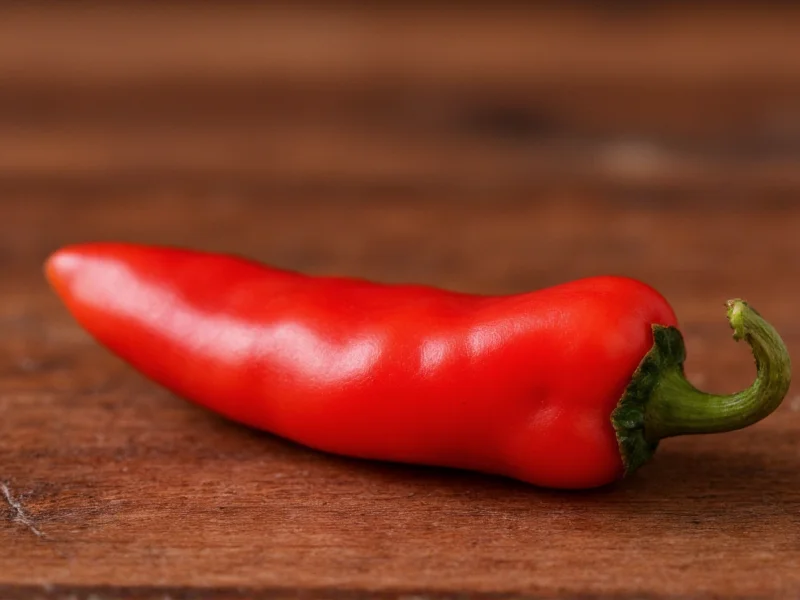
When you encounter a small spicy red pepper in your grocery store or garden, you're most likely looking at one of several potent varieties that pack significant heat in a compact package. Understanding these peppers goes beyond just their fiery reputation—they offer unique flavor profiles, culinary versatility, and even nutritional benefits that make them valuable kitchen staples worldwide.
Common Small Spicy Red Pepper Varieties
While many peppers fit the "small spicy red" description, certain varieties dominate in kitchens around the globe. These compact powerhouses typically measure between 1-3 inches in length when mature and transition from green to vibrant red as they ripen. Their diminutive size belies their significant heat potential, making them favorites among chili enthusiasts and professional chefs alike.
| Pepper Variety | Size (inches) | Scoville Heat Units | Flavor Profile |
|---|---|---|---|
| Bird's Eye Chili | 1-2 | 50,000-100,000 | Sharp, citrusy, floral notes |
| Thai Dragon | 1.5-2.5 | 50,000-90,000 | Bright, slightly sweet upfront heat |
| Cayenne (fresh) | 2-3 | 30,000-50,000 | Earthy, slightly smoky |
| Siling Labuyo | 0.5-1 | 80,000-100,000+ | Intense, lingering heat with fruitiness |
| Pequin | 0.5-1.5 | 30,000-60,000 | Complex, nutty with immediate heat |
Identifying Small Spicy Red Peppers
Correct identification matters for both culinary success and safety. Small spicy red peppers share several distinguishing characteristics: conical or tapered shapes, smooth thin skins, and a transition from green to brilliant red as they mature. Unlike larger bell peppers, these varieties maintain a consistent thin-walled structure throughout their growth cycle.
When examining fresh specimens, look for firmness and vibrant color—wrinkled or soft peppers indicate aging. The stem attachment should be green and fresh-looking, not dried or brown. For absolute certainty when foraging or purchasing unlabeled produce, consult a local agricultural extension service, as misidentification of wild peppers can be dangerous.
Culinary Applications of Small Red Hot Peppers
The culinary versatility of small spicy red peppers extends far beyond simple heat addition. In Southeast Asian cuisine, bird's eye chilies form the backbone of countless curry pastes and dipping sauces, where their bright heat complements coconut milk and aromatic herbs. Thai cooking frequently employs these peppers both fresh in salads and cooked into complex curry blends.
Professional chefs often use small spicy red peppers in three primary forms: fresh (providing immediate, bright heat), dried (offering deeper, smokier notes), and fermented (creating complex umami-rich heat). When working with these peppers in home cooking, remember that heat concentration varies significantly within the same variety based on growing conditions, so always taste a small piece before committing to a recipe.
Safe Handling Practices for Small Hot Peppers
Working with small spicy red peppers requires proper handling techniques to avoid discomfort. The capsaicin compounds that create heat can linger on skin and transfer to sensitive areas like eyes. Always wear disposable gloves when handling multiple peppers or preparing large quantities. If you experience skin irritation, wash the affected area with soap and cool water—avoid hot water which can spread the oils.
Never rub your eyes after handling hot peppers, even if you've washed your hands. If accidental contact occurs, milk or yogurt can help neutralize the burning sensation better than water alone. When cutting peppers, work in a well-ventilated area as the volatile compounds can become airborne, especially when using sharp knives that release more oils.
Substituting Small Spicy Red Peppers
When your recipe calls for small spicy red peppers but they're unavailable, several substitution strategies work effectively. For bird's eye or Thai chili replacements, consider using serrano peppers (use 1.5x the amount for similar heat) or a combination of cayenne and red Fresno peppers to approximate both heat and flavor profile.
For milder applications requiring the visual element of small red peppers without intense heat, consider sweet cherry peppers or mini red bell peppers. Remember that dried alternatives like crushed red pepper flakes or Aleppo pepper can provide similar heat levels but lack the fresh pepper's moisture content and nuanced flavor, so adjust liquid ingredients accordingly in your recipes.
Growing Small Spicy Red Peppers at Home
Home gardeners increasingly cultivate small spicy red peppers due to their compact growth habits and high yield. These varieties typically thrive in containers as small as 5 gallons, making them suitable for balcony or patio gardening. Start seeds indoors 8-10 weeks before your last frost date, maintaining soil temperatures around 80-85°F for optimal germination.
When transplanting outdoors, select a location with full sun exposure and well-draining soil amended with compost. Water consistently but avoid overwatering, which can reduce capsaicin production. Most small spicy red pepper varieties reach maturity in 70-90 days from transplanting, with continuous harvesting encouraging further production. For maximum heat development, allow peppers to fully ripen to deep red on the plant before harvesting.
Nutritional Profile and Health Considerations
Beyond their culinary appeal, small spicy red peppers offer notable nutritional benefits. They're exceptionally high in vitamin C (even more than citrus fruits by weight), contain significant vitamin A, and provide capsaicin—the compound responsible for their heat—which has been studied for potential metabolic and pain management benefits.
Consumption should be moderated based on individual tolerance, as excessive intake can cause gastrointestinal discomfort. Those with conditions like irritable bowel syndrome or acid reflux may need to limit consumption. The heat from these peppers typically registers within 15-30 seconds of consumption and can last several minutes, so pace your eating when trying new spicy dishes.
Proper Storage Techniques for Maximum Freshness
Extending the shelf life of small spicy red peppers requires proper storage methods. For short-term storage (1-2 weeks), keep unwashed peppers in the crisper drawer of your refrigerator inside a paper bag to absorb excess moisture. For longer preservation, consider roasting and freezing, pickling, or drying—the latter being particularly effective for maintaining potency for 6-12 months.
Avoid storing peppers near ethylene-producing fruits like bananas or apples, which can accelerate ripening and spoilage. When freezing whole peppers, simply place them on a baking sheet to freeze individually before transferring to airtight containers—this prevents them from sticking together. Frozen peppers work well in cooked dishes though they'll lose some crispness.
What's the difference between bird's eye chili and Thai chili?
Bird's eye chili and Thai chili are often used interchangeably, but technically bird's eye refers to specific varieties like Prik Kee Noo while Thai chilies encompass several similar varieties. Both range from 50,000-100,000 Scoville units, but bird's eye tends to have slightly more floral notes while Thai chilies offer brighter upfront heat. Geographically, bird's eye is predominant in Vietnamese and Filipino cooking while Thai chilies feature more prominently in Thai cuisine.
How can I reduce the heat of small spicy red peppers in cooking?
To reduce heat from small spicy red peppers, remove the white pith and seeds where capsaicin concentration is highest. Cooking peppers longer reduces perceived heat as capsaicin breaks down. Adding dairy products like yogurt or coconut milk binds with capsaicin, while acidic components like lime juice can balance heat perception. For immediate heat reduction in a dish that's too spicy, add more non-spicy ingredients to dilute the concentration rather than adding liquid which can spread the capsaicin.
Are all small red peppers spicy?
No, not all small red peppers are spicy. While many small red varieties like bird's eye and Thai chilies are extremely hot, some small red peppers like cherry peppers or certain ornamental varieties have minimal heat. Size alone doesn't determine spiciness—genetics and growing conditions play larger roles. If uncertain about an unlabeled small red pepper, cut a tiny piece and touch it to your tongue rather than biting a whole pepper to test heat level safely.
Can I substitute dried small spicy red peppers for fresh ones?
Yes, you can substitute dried small spicy red peppers for fresh, but with important considerations. Use approximately one dried pepper for every three fresh peppers, as drying concentrates the capsaicin. Rehydrate dried peppers in hot water for 15-20 minutes before use for most applications, though some recipes like spice blends use them dry. Note that dried peppers lose some fresh flavor notes but develop deeper, smokier characteristics. Crushed red pepper flakes can work as a substitute but lack the nuanced flavor of whole dried small peppers.
Why do small spicy red peppers vary in heat even within the same plant?
Heat variation in small spicy red peppers from the same plant occurs due to multiple factors including sunlight exposure, water stress, and nutrient availability during development. Peppers receiving more direct sunlight typically develop higher capsaicin levels. Water stress (slightly drier conditions) can increase heat production as a defense mechanism. Even position on the plant matters—peppers at the top often receive more sun and may be hotter. This natural variation is why tasting a small piece before using is always recommended in cooking.




 浙公网安备
33010002000092号
浙公网安备
33010002000092号 浙B2-20120091-4