
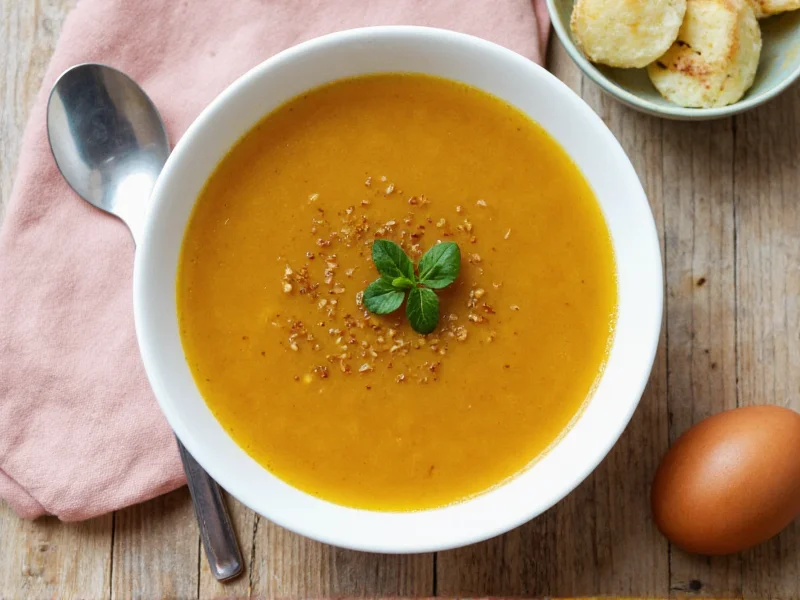
Creating exceptional broth soups requires understanding foundational techniques while embracing creativity. Whether you're seeking comfort during cold months or a light, nourishing meal year-round, broth-based soups offer unmatched versatility. These recipes transform basic ingredients into deeply flavorful dishes through proper technique and attention to detail.
Why Broth Soups Deserve a Place in Your Kitchen
Broth soups provide remarkable culinary flexibility while delivering significant nutritional benefits. Unlike cream-based soups, broth soups maintain a light texture while still offering satisfying depth of flavor. The simmering process extracts valuable nutrients from ingredients, creating a healing, easily digestible meal perfect for recovery or everyday nourishment.
Historical Evolution of Broth Soups
Broth-based soups have sustained civilizations for millennia. Key developments include:
- Prehistoric Era: Early humans discovered boiling water with available ingredients created edible, nutrient-extracting liquids. Archaeological evidence suggests soup pots dating back 6,000 years.
- 17th-18th Century: French chefs formalized broth preparation, creating the first "consommés" and establishing clear broth as a culinary standard.
- 19th Century: Industrialization brought canned broths, making broth accessible year-round but sacrificing depth of flavor.
- 21st Century: The artisanal movement revived slow-simmered bone broths, with scientific interest in potential health benefits.
Historical context sourced from Smithsonian Magazine's comprehensive history of soup.
Broth Selection Guide: Finding Your Flavor Foundation
The quality of your broth determines your soup's final character. While store-bought options offer convenience, homemade broths provide superior flavor control and ingredient transparency. Consider these factors when selecting your base:
| Broth Type | Best For | Flavor Profile | Preparation Time |
|---|---|---|---|
| Chicken Bone Broth | Classic soups, risottos | Rich, savory, slightly sweet | 12-24 hours |
| Vegetable Broth | Vegetarian dishes, cleansing soups | Earthy, bright, herbaceous | 45-60 minutes |
| Beef Bone Broth | Hearty stews, French onion | Deep, meaty, umami-rich | 18-36 hours |
| Miso Broth | Asian-inspired soups, quick meals | Savory, salty, fermented | 10-15 minutes |
Contextual Considerations for Broth Soup Success
While versatile, broth soups have specific contexts where they excel and situations requiring modification:
- Ideal for hydration and recovery: Broth soups provide both fluids and electrolytes. The National Institute on Aging identifies soups and broths as effective hydration sources, particularly for vulnerable populations (NIA Dehydration Alert).
- Limited protein completeness: Vegetable broths lack complete proteins; pair with grains or legumes for balanced nutrition. Bone broths provide collagen but aren't significant protein sources per NIH analysis (NCCIH Bone Broth Research).
- Sodium considerations: Store-bought broths often contain high sodium (up to 900mg per cup). Opt for low-sodium versions or homemade for heart-healthy diets (per American Heart Association guidelines).
- Time constraints: Traditional bone broths require 12+ hours. For quick meals, use miso or vegetable broths (under 1 hour) without sacrificing nutrition.
Essential Techniques for Perfect Broth Soups
Master these fundamental methods to elevate your broth soup recipes from ordinary to exceptional:
- Layering flavors: Sauté aromatics before adding broth to develop complexity
- Simmering properly: Maintain gentle bubbles—never a rolling boil—to prevent cloudiness
- Timing additions: Add delicate ingredients like leafy greens at the very end
- Finishing touches: Brighten flavors with acid (lemon juice or vinegar) before serving
Four Exceptional Broth Soup Recipes
Classic Chicken Noodle Soup with Herb Infusion
This elevated version of the traditional favorite incorporates fresh herbs for added complexity. The secret lies in adding different herbs at various stages of cooking.
Ingredients
- 6 cups homemade chicken broth
- 2 chicken breasts, poached and shredded
- 1 cup egg noodles
- 1 diced onion
- 2 chopped carrots
- 2 celery stalks, diced
- 3 garlic cloves, minced
- 1 tbsp fresh thyme
- 2 tbsp fresh parsley
- Salt and pepper to taste
Instructions
- Sauté onion, carrots, and celery in olive oil until softened (8-10 minutes)
- Add garlic and thyme, cooking for 1 minute until fragrant
- Pour in broth and bring to gentle simmer
- Add chicken and noodles, cooking until noodles are tender (8-10 minutes)
- Stir in parsley and season with salt and pepper
- Rest for 5 minutes before serving to allow flavors to meld
Hearty Vegetable Broth Soup for Beginners
This straightforward vegetable broth soup recipe delivers maximum flavor with minimal effort, perfect for weeknight dinners or meal prep.
Key Technique
Roasting vegetables before adding to broth creates deeper flavor. Toss carrots, onions, and celery with olive oil and roast at 400°F for 25 minutes before adding to simmering broth.
Miso Ginger Broth Soup with Tofu
A 15-minute Japanese-inspired broth soup that provides comfort and digestive benefits. The miso must be added off-heat to preserve probiotics.
Pro Tip
Dissolve miso paste in a small amount of warm broth first, then stir into the main pot to prevent clumping and maintain texture.
Beef Bone Broth French Onion Soup
This elevated version uses a rich beef bone broth base with caramelized onions and a perfect cheese topping. The secret is slow caramelization—30 minutes minimum.
Ingredient Upgrade
Add a splash of dry sherry during the final minutes of cooking for enhanced complexity without overpowering the broth's natural flavors.
Avoiding Common Broth Soup Mistakes
Even experienced cooks make these frequent errors that compromise broth soup quality:
- Over-seasoning early: Salt concentrates as liquid reduces—season at the end
- Boiling instead of simmering: Creates cloudy broth and toughens ingredients
- Adding all ingredients at once: Different components require varying cooking times
- Skipping the resting period: Soups always taste better after flavors meld for 15-20 minutes off heat
Storage and Reheating Guidelines
Proper storage maintains flavor and safety. Cool soup completely before storing in airtight containers. Broth soups keep well for 4-5 days in the refrigerator or up to 3 months frozen.
When reheating, warm gradually over medium-low heat. Never boil broth soups vigorously when reheating, as this breaks down delicate flavors and textures. For frozen portions, thaw overnight in the refrigerator before reheating.
Nutritional Benefits of Regular Broth Soup Consumption
Regular consumption of broth-based soups contributes to hydration, provides easily absorbable minerals, and supports digestive health. Bone broths particularly offer collagen and amino acids that benefit joint and skin health. The warm liquid format makes nutrients more bioavailable while providing comforting, low-calorie meal options.
Frequently Asked Questions
What's the difference between broth and stock in soup recipes?
Broth is made with meat and seasoned during cooking, resulting in a flavorful, ready-to-use liquid. Stock uses bones and minimal seasoning, creating a more neutral base that requires additional seasoning when used in soups. Broth works better for quick soup recipes while stock provides deeper flavor foundations for long-simmered dishes.
How can I make broth soup recipes without meat?
Create flavorful vegetarian broth soups by roasting vegetables like onions, carrots, and mushrooms before simmering. Add umami boosters like dried mushrooms, tomato paste, or soy sauce. For protein, include beans, lentils, or tofu. Simmer vegetable scraps (onion skins, celery leaves) for 45 minutes to extract maximum flavor without meat.
Why does my broth soup turn cloudy and how can I prevent it?
Cloudiness occurs when proteins coagulate due to boiling. Prevent this by maintaining a gentle simmer rather than a rolling boil. Start with cold water when making broth from scratch, and avoid stirring vigorously. If using store-bought broth, heat it gradually rather than adding it boiling to your soup.
What's the best way to store homemade broth soup recipes?
Cool soup completely before storing in airtight containers. Refrigerate for up to 5 days or freeze for 3 months. For best results, leave 1-inch headspace in containers for expansion when freezing. Portion into single servings for convenient reheating. Always label with date and contents.
Can I use broth soup recipes for meal prep?
Absolutely. Broth soups are ideal for meal prep as flavors often improve after resting. Prepare large batches, cool completely, and portion into containers. Most broth soups maintain quality for 4-5 days refrigerated. Reheat gently on the stove or in the microwave, adding a splash of water if needed to restore consistency.




 浙公网安备
33010002000092号
浙公网安备
33010002000092号 浙B2-20120091-4