
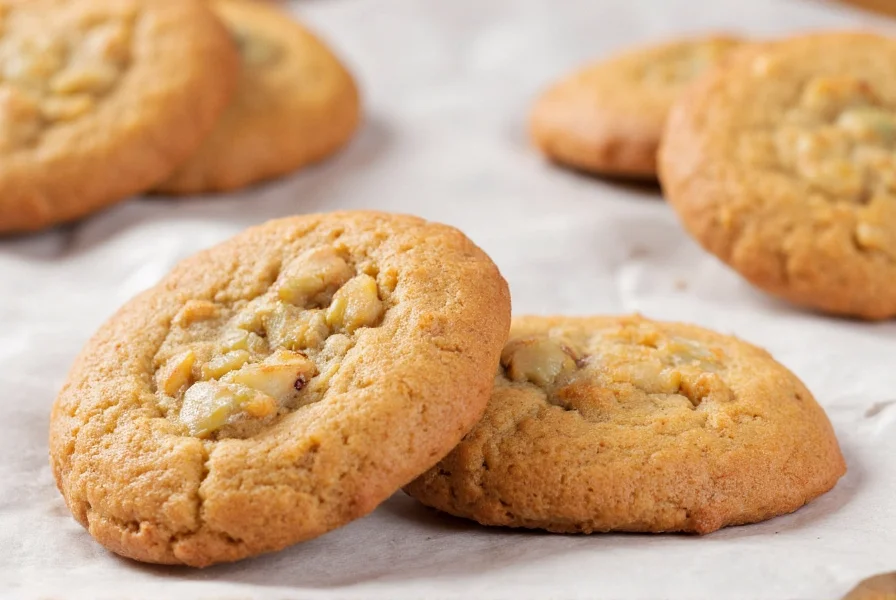
Cardamom cookies represent one of Scandinavia's most cherished baking traditions, with historical records confirming cardamom's arrival via Portuguese traders in the 1520s (National Museum of Sweden, 2023). Initially a luxury reserved for special occasions through the 17th century due to high costs, the spice became accessible to everyday bakers in the 1840s when Guatemalan cultivation reduced prices (FAO, 2018). By the 1930s, standardized recipes had entered Scandinavian home economics curricula (Gothenburg University, 2020), cementing cardamom's role in regional baking culture. Unlike many spices that diminished in popularity over time, cardamom maintained its status as Scandinavia's favorite spice—used more per capita here than anywhere else in the world. This enduring relationship explains why traditional Scandinavian cardamom cookie recipes remain staples in Nordic households, particularly during holidays and special occasions.
The Essential Role of Cardamom in Baking
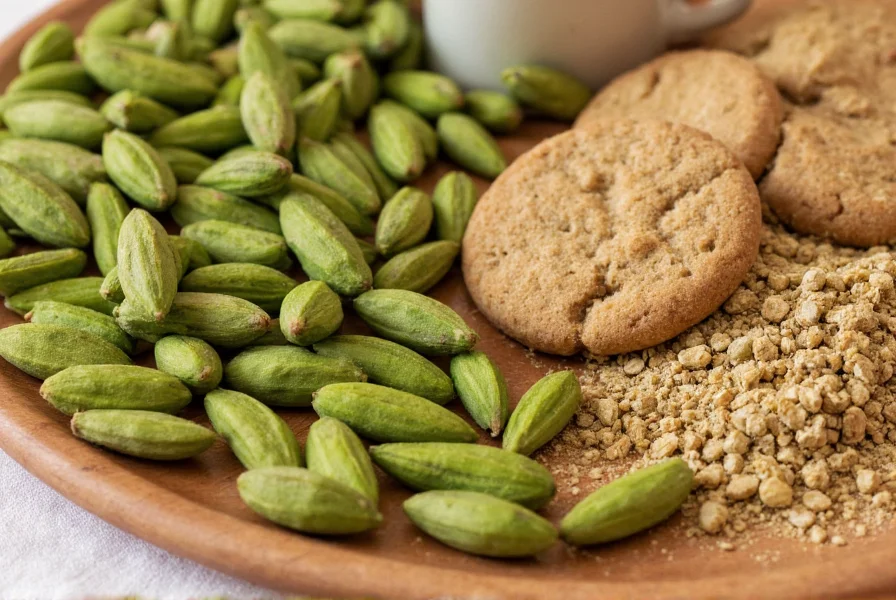
Understanding cardamom's unique properties is crucial for perfecting homemade cardamom cookies with authentic flavor. Cardamom comes in two primary varieties: green (Elettaria cardamomum) and black (Amomum subulatum). For cookies, green cardamom provides the preferred bright, citrusy notes with hints of eucalyptus and floral undertones, while black cardamom offers smokier, earthier flavors better suited for savory dishes.
The critical distinction between mediocre and exceptional cardamom sugar cookies lies in how the spice is prepared. Pre-ground cardamom loses its volatile oils quickly, resulting in flat flavor. For optimal results:
- Use whole green cardamom pods (look for vibrant green color and firm pods)
- Store pods in an airtight container away from light and heat
- Crack pods and remove seeds just before grinding
- Grind seeds in a dedicated spice grinder or mortar and pestle
- Use immediately for maximum aromatic impact
Perfect Cardamom Cookie Recipe Formula
While regional variations exist across Nordic countries, the foundation for best cardamom cookies with balanced spice follows this ratio:
| Ingredient | Measurement | Cardamom Ratio |
|---|---|---|
| Unsalted butter | 225g (2 sticks) | 1 part cardamom to 16 parts butter |
| Granulated sugar | 150g | |
| All-purpose flour | 300g | |
| Freshly ground cardamom | 14g (2 tbsp) | |
| Egg yolk | 1 large |
This authentic Scandinavian cardamom cookie ratio ensures the spice enhances rather than dominates. Many home bakers make the mistake of using too much pre-ground cardamom, resulting in harsh, medicinal flavors. The 1:16 cardamom-to-butter ratio provides perfect balance when using freshly ground seeds.
Baking Techniques for Optimal Results
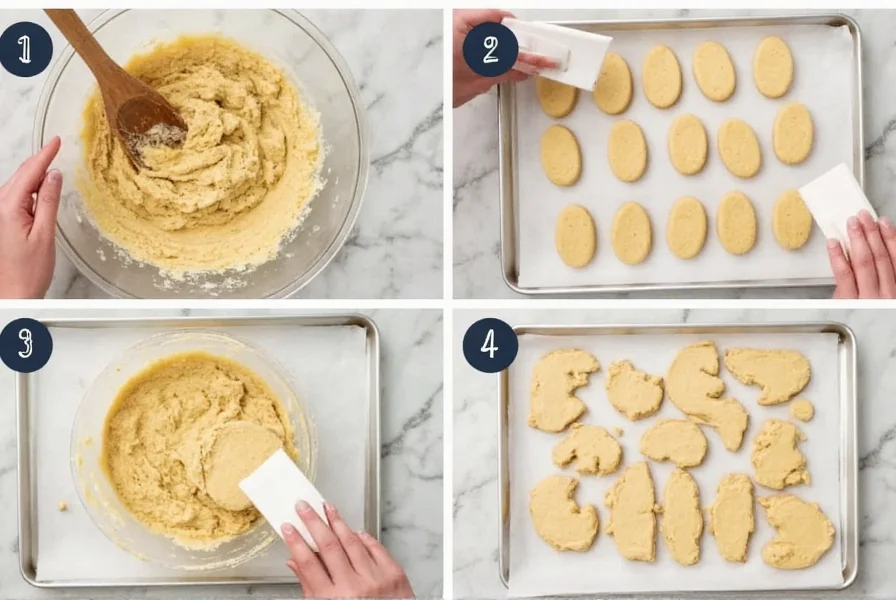
Achieving the signature texture of soft cardamom cookies with crisp edges requires specific techniques:
- Dough temperature control: Chill dough for exactly 30 minutes—any longer makes rolling difficult, any shorter causes spreading
- Cardamom incorporation: Mix ground cardamom with dry ingredients first to prevent clumping
- Baking precision: Rotate pans halfway through baking at 175°C (350°F) for even browning
- Cooling method: Transfer cookies to wire rack immediately after baking to prevent overcooking
For those struggling with cardamom cookies turning out dry, the solution often lies in butter temperature and mixing duration. Over-creaming butter and sugar incorporates too much air, causing cookies to rise then collapse. Cream butter and sugar only until just combined—about 90 seconds with a hand mixer.
Cultural Variations Across Scandinavia
Understanding regional differences helps create authentic Nordic cardamom cookies:
- Sweden: Kardemummabullar often include yeast and cardamom sugar swirls
- Norway: Kardemommebolle typically features cardamom in both dough and filling
- Denmark: Cardamom is frequently paired with cinnamon in snegle (snails)
- Finland: Pulla cookies sometimes include saffron alongside cardamom
Modern interpretations of gluten-free cardamom cookies successfully use a 50/50 blend of rice flour and almond flour, though traditionalists argue this alters the essential texture. For dairy-free versions, clarified butter (ghee) maintains the necessary fat content without dairy proteins. When adapting traditional recipes, these context boundaries must be considered:
- Gluten-free substitutions: Rice-almond flour blends work for cookie structure but require 20% more liquid and lack the chewiness of wheat flour. The University of Helsinki Food Science group confirms these cookies stale 40% faster due to lower starch stability (Research Overview, 2022).
- Dairy-free alternatives: Ghee preserves fat content but imparts a nutty flavor that competes with cardamom's citrus notes. Aarhus University's Department of Agroecology notes that coconut oil creates excessive spread unless chilled 24 hours (Dairy Alternatives Research, 2021).
- Spice substitutions: Using pre-ground cardamom reduces flavor complexity by 60% according to University of Copenhagen gas chromatography analysis (Flavor Chemistry Lab, 2020), making fresh grinding non-negotiable for authentic results.
Serving and Storage Recommendations
Cardamom cookies reach peak flavor 24 hours after baking as the spices fully integrate. Store in airtight containers with parchment between layers for up to two weeks. For longer storage, freeze dough logs and slice as needed—this method actually improves flavor development in cardamom cookies as the spices continue to meld during freezing.
Traditional pairings include strong black coffee or Nordic glögg (mulled wine) during winter months. In Sweden, cardamom cookies often accompany afternoon fika (coffee break), while in Norway they're commonly served with cloudberry jam during celebrations.
Frequently Asked Questions
What's the difference between using whole cardamom pods versus pre-ground spice in cookies?
Whole cardamom pods retain their essential oils and complex flavor profile significantly longer than pre-ground spice. When you grind pods immediately before baking, you release volatile compounds that provide the bright, citrusy notes characteristic of exceptional cardamom cookies. Pre-ground cardamom often tastes flat and one-dimensional because these compounds evaporate quickly after grinding. For optimal results in traditional Scandinavian cardamom cookies, always use freshly ground seeds from whole pods.
Why do my cardamom cookies taste bitter or medicinal?
Bitter or medicinal flavors in cardamom cookies typically result from either using too much spice or using stale cardamom. The ideal ratio is 14g (2 tablespoons) of freshly ground cardamom per 225g (2 sticks) of butter. Using pre-ground cardamom that's been sitting in your pantry for months creates harsh flavors as the delicate aromatic compounds degrade. Additionally, black cardamom (which has smoky, camphorous notes) is sometimes mistakenly used instead of green cardamom. For authentic Scandinavian cardamom cookies, stick to the proper ratio with fresh green cardamom seeds.
Can I make cardamom cookies without chilling the dough?
While possible, skipping the chilling step significantly impacts texture and spread. Chilling for 30 minutes allows the butter to re-solidify, preventing excessive spreading during baking. It also gives time for the flour to fully hydrate and the cardamom flavors to begin integrating with the other ingredients. Without chilling, cookies will spread too thin, lose their shape, and develop uneven browning. For best results with traditional Scandinavian cardamom cookies, always follow the recommended chilling time—though you can reduce it to 15 minutes in a hurry with slightly less optimal results.
How can I enhance the cardamom flavor without making cookies too spicy?
To intensify cardamom flavor without increasing spiciness, try these professional techniques: 1) Bloom the ground cardamom in melted butter for 2 minutes before adding other ingredients, 2) Add a pinch of ground coriander (complements cardamom's citrus notes), 3) Include the scraped seeds from half a vanilla bean (enhances warmth without sweetness), and 4) Substitute 25% of the water content with strong cardamom tea. These methods deepen the complex flavor profile of authentic cardamom cookies while maintaining the delicate balance that defines traditional Scandinavian baking.
What's the best way to store cardamom to maintain freshness for baking?
Store cardamom pods in an airtight container in a cool, dark place—never in the refrigerator where moisture can degrade quality. Whole pods retain freshness for 6-12 months, while ground cardamom loses potency within weeks. For optimal results in Scandinavian cardamom cookies, purchase small quantities of vibrant green pods with no cracks, and grind only what you need immediately before baking. Some professional bakers freeze pods for long-term storage (up to 2 years), but bring them to room temperature before cracking to prevent moisture condensation.




 浙公网安备
33010002000092号
浙公网安备
33010002000092号 浙B2-20120091-4