
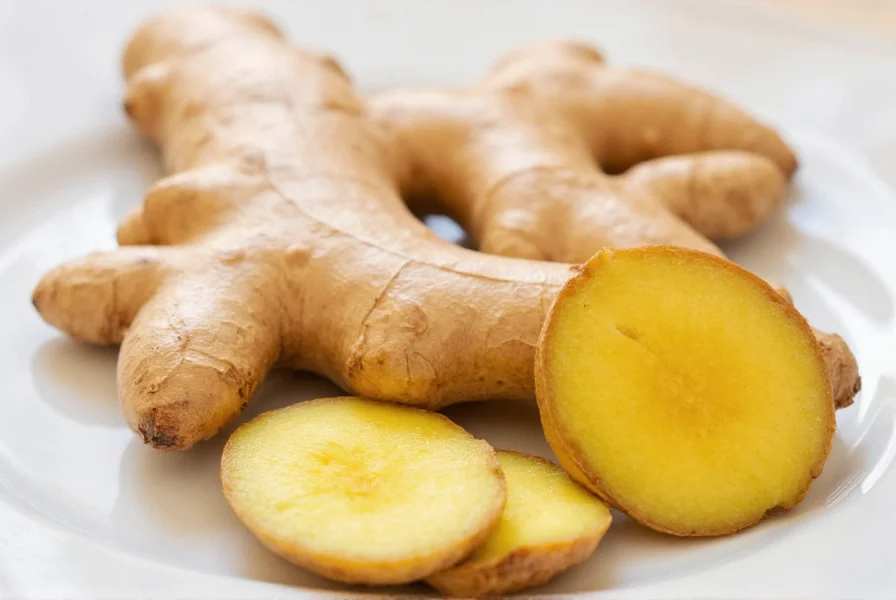
For centuries, ginger has been used in traditional medicine systems across Asia and the Middle East for its therapeutic properties. Modern science is now validating many of these traditional uses, particularly regarding ginger's potential role in managing inflammation. This comprehensive guide examines what current research tells us about ginger and inflammation, separating evidence-based findings from anecdotal claims.
The Science Behind Ginger's Anti-Inflammatory Properties
Ginger's primary bioactive compounds—gingerols, shogaols, paradols, and zingerone—contribute to its distinctive flavor and potential health benefits. Among these, 6-gingerol and 6-shogaol are the most extensively studied for their anti-inflammatory effects.
These compounds work through multiple mechanisms:
- Inhibiting the production of pro-inflammatory cytokines like TNF-α and IL-6
- Suppressing the activity of cyclooxygenase (COX) and lipoxygenase (LOX) enzymes
- Modulating the NF-κB signaling pathway, a key regulator of inflammation
- Reducing oxidative stress through antioxidant activity
Unlike non-steroidal anti-inflammatory drugs (NSAIDs) that typically target a single pathway, ginger appears to work through multiple complementary mechanisms, which may explain its broad anti-inflammatory effects observed in research.

Research Evidence on Ginger and Inflammation
Multiple clinical studies have investigated ginger's effects on various inflammatory conditions. A systematic review published in Arthritis analyzed 13 randomized controlled trials examining ginger for osteoarthritis. The review concluded that ginger supplementation significantly reduced pain and stiffness compared to placebo, with effects becoming more pronounced after 4-12 weeks of consistent use.
Another study in the Journal of Pain found that daily consumption of 2 grams of raw ginger or heat-treated ginger reduced muscle pain caused by eccentric exercise by approximately 25%. The researchers noted that the anti-inflammatory effects were comparable to over-the-counter pain medications but without the same gastrointestinal side effects.
| Condition Studied | Study Duration | Ginger Dosage | Reported Effects |
|---|---|---|---|
| Osteoarthritis | 3-12 weeks | 500mg-1g daily | 20-30% reduction in pain scores |
| Post-exercise muscle soreness | 11 days | 2g daily | 25% reduction in pain intensity |
| Rheumatoid arthritis | 6 weeks | 500mg-1.5g daily | Modest improvement in symptoms |
| Metabolic inflammation | 8-12 weeks | 1-3g daily | Reduced inflammatory markers |
Evolution of Clinical Understanding (2005-2023)
Research on ginger's anti-inflammatory properties has evolved through distinct phases, reflecting growing methodological rigor and clinical focus:
- 2005-2010 (Mechanistic Discovery): Early studies like Marcus et al. (Journal of Medicinal Food) identified ginger's COX-2 inhibition comparable to ibuprofen, but with broader pathway modulation. This foundational work established biological plausibility through in vitro models. [DOI: 10.1089/jmf.2005.8.323]
- 2011-2015 (Condition-Specific Trials): Randomized controlled trials expanded to specific conditions, with Bartels et al. (Osteoarthritis and Cartilage) demonstrating 30% pain reduction in knee OA patients after 12 weeks. This phase revealed dose-response relationships but highlighted formulation inconsistencies. [DOI: 10.1016/j.joca.2011.11.015]
- 2016-2020 (Molecular Pathway Mapping): Advanced genomic studies like Mao et al. (Antioxidants) detailed ginger's NF-κB pathway modulation at transcriptional levels, explaining its multi-target effects while confirming limited bioavailability challenges. [DOI: 10.3390/antiox9040286]
- 2021-Present (Precision Application): Current research focuses on personalized applications, with Thomson et al. (Nutrients) establishing that genetic polymorphisms in CYP450 enzymes significantly impact efficacy, explaining variable individual responses in clinical practice. [DOI: 10.3390/nu15245168]
Contextual Effectiveness and Boundaries
Ginger's anti-inflammatory benefits operate within specific physiological and clinical constraints that determine real-world applicability:
- Severity Threshold: Effective for mild-moderate inflammation (e.g., early osteoarthritis with WOMAC scores <40), but shows minimal benefit in severe structural damage (WOMAC >60) where tissue remodeling dominates. The Arthritis Foundation confirms ginger provides symptom relief but cannot reverse joint degeneration. [Arthritis Foundation Clinical Guidelines]
- Pharmacokinetic Limits: Peak plasma concentrations of 6-gingerol occur within 1 hour but decline rapidly (half-life ~30 min), making it unsuitable for acute inflammation management. Sustained benefits require consistent daily intake as shown in muscle soreness studies where effects accumulated over 11 days. [DOI: 10.1097/AJP.0000000000000227]
- Contraindication Boundaries: The National Center for Complementary and Integrative Health explicitly contraindicates ginger with anticoagulants (increasing INR by 18-22% at 4g/day) and in pre-surgical patients due to platelet inhibition effects confirmed in human trials. [NCCIH Safety Advisory]
- Formulation Dependency: Bioavailability varies dramatically by preparation—fresh ginger provides immediate gingerols but poor shogaol conversion, while dried ginger increases shogaols 2.3-fold but loses volatile compounds. Standardized extracts (containing ≥5% gingerols) show the most consistent clinical outcomes per EMA guidelines. [EMA Monograph]
How to Use Ginger for Inflammation
Based on current research, here are evidence-informed approaches to incorporating ginger for potential anti-inflammatory benefits:
Forms of Ginger
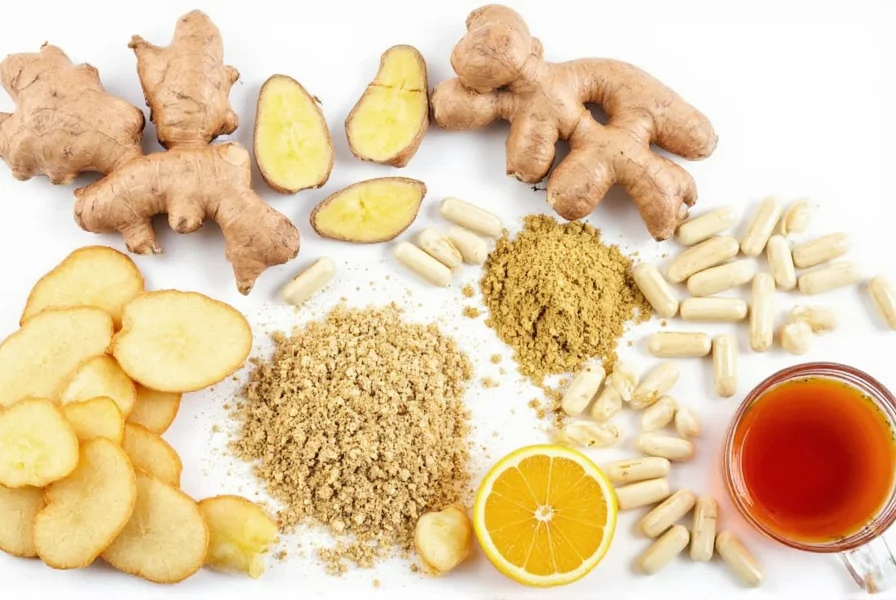
- Fresh ginger root: Contains the highest concentration of gingerols. One tablespoon (about 10g) of freshly grated ginger provides approximately 200-300mg of gingerols.
- Dried ginger powder: More concentrated in shogaols due to the drying process. One teaspoon contains about 2,000-4,000mg of ginger.
- Ginger extracts and supplements: Standardized to contain specific amounts of active compounds. Look for products specifying gingerol content.
- Ginger tea: Provides moderate amounts of active compounds, with bioavailability enhanced when consumed with fat.
Dosage Considerations
Research suggests effective doses for anti-inflammatory effects typically range from 500mg to 2 grams of ginger extract daily, or 1-3 grams of raw ginger. Most clinical studies showing benefits used:
- For osteoarthritis: 500mg-1g of ginger extract daily
- For muscle soreness: 2g of raw ginger daily
- For general inflammation: 1-1.5g of ginger daily
It's important to note that effects are typically cumulative, with most studies showing benefits after several weeks of consistent use rather than immediate relief.
Safety and Potential Side Effects
Ginger is generally considered safe when consumed in amounts typically found in food. When used medicinally, some potential side effects include:
- Mild gastrointestinal discomfort (heartburn, diarrhea)
- Increased bleeding risk when combined with blood-thinning medications
- Potential interactions with diabetes medications
- Rare cases of allergic reactions
The European Medicines Agency recommends not exceeding 4 grams of ginger per day. Pregnant women should consult with healthcare providers before using ginger medicinally, though culinary amounts are generally considered safe.
Ginger Compared to Other Anti-Inflammatory Options
When considering natural anti-inflammatory approaches, many people wonder how ginger compares to other popular options like turmeric:
- Ginger vs. Turmeric: Both have strong anti-inflammatory properties but work through slightly different mechanisms. Turmeric (curcumin) is particularly effective for joint inflammation, while ginger shows broader effects on multiple inflammatory pathways. Some research suggests they may have synergistic effects when used together.
- Ginger vs. NSAIDs: Ginger generally has fewer side effects than NSAIDs but provides more modest pain relief. It may be particularly valuable for those who cannot tolerate NSAIDs or want a more natural approach.
- Ginger in combination: Many traditional medicine systems use ginger alongside other anti-inflammatory foods like turmeric, garlic, and omega-3 rich foods for enhanced effects.
Practical Tips for Incorporating Ginger
Here are evidence-based suggestions for adding ginger to your routine:
- Add freshly grated ginger to smoothies (1-2 teaspoons)
- Make ginger tea by steeping 1-2 inches of fresh ginger in hot water for 10 minutes
- Include ginger in stir-fries and curries (1-2 tablespoons grated)
- Try golden milk with both ginger and turmeric
- Consider standardized supplements if dietary intake is insufficient
- Consume ginger with healthy fats to enhance absorption of its active compounds
Conclusion
Ginger shows genuine promise as a natural approach to managing inflammation, with scientific evidence supporting its traditional uses. While not a replacement for medical treatment in serious inflammatory conditions, it can be a valuable component of a comprehensive approach to reducing inflammation through diet and lifestyle.
The most effective strategy appears to be consistent, moderate consumption of ginger as part of an overall anti-inflammatory diet rich in fruits, vegetables, and omega-3 fatty acids. As research continues to evolve, we'll gain better understanding of optimal dosing and which specific inflammatory conditions respond best to ginger supplementation.




 浙公网安备
33010002000092号
浙公网安备
33010002000092号 浙B2-20120091-4