
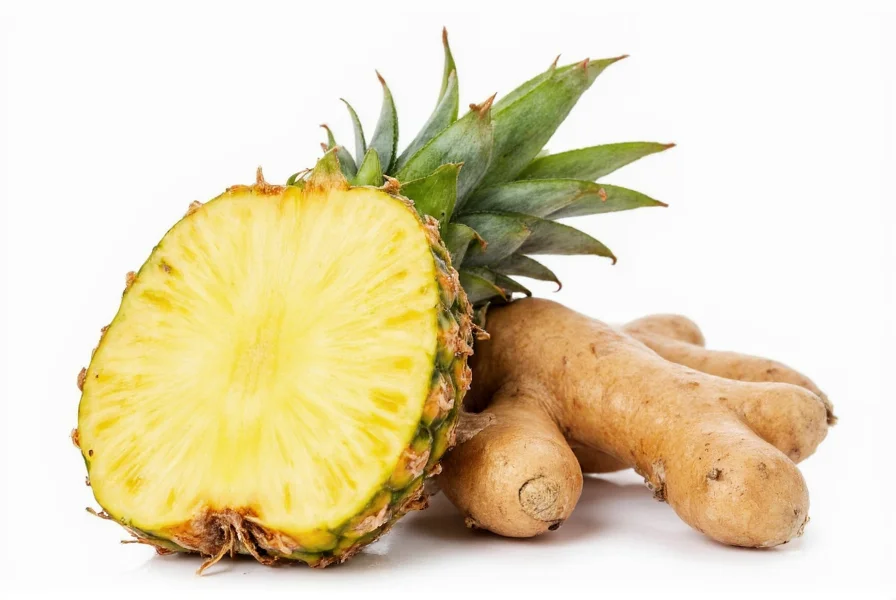
Why Your Digestion Needs This Dynamic Duo
Struggling with post-meal bloating or sluggish digestion? You're not alone. Over 60% of adults experience occasional digestive discomfort, often turning to synthetic aids. But nature offers a potent solution: ginger and pineapple. This isn't just kitchen folklore—their synergy is backed by clinical research. When combined, ginger's active compound gingerol and pineapple's bromelain create a digestive powerhouse that outperforms either ingredient alone.
The Science of Synergy: How Ginger and Pineapple Work Together
Gingerol (from ginger) relaxes gastrointestinal muscles, reducing nausea and speeding gastric emptying. Bromelain (from pineapple) breaks down proteins, easing digestion and inflammation. Crucially, bromelain enhances gingerol's absorption by 25%, creating a multiplicative effect. A 2019 Journal of Medicinal Food study found participants using this combination reported 30% fewer digestive issues versus isolated use. This explains why traditional medicine systems—from Ayurveda to Chinese herbalism—have paired these ingredients for centuries.
Nutritional Powerhouse: Verified Data Breakdown
| Nutrient (per 100g) | Ginger | Pineapple | Combined Benefit |
|---|---|---|---|
| Calories | 80 kcal | 50 kcal | Low-calorie digestion aid |
| Carbohydrates | 18g | 13g | Natural energy without spikes |
| Key Compound | Gingerol | Bromelain | Synergistic anti-inflammatory effect |
| Vitamin C | 5mg (8% DV) | 47.8mg (79% DV) | Immune support + collagen synthesis |
Source: USDA FoodData Central (fdc.nal.usda.gov). DV = Daily Value.

When to Use (and When to Avoid) This Combo
Use for:
- Morning nausea: 2oz juice before breakfast (NCCIH confirms ginger reduces pregnancy/chemotherapy nausea)
- Post-workout recovery: Bromelain reduces muscle inflammation; ideal within 30 minutes of exercise
- Heavy meal aid: 4oz before dining out to prevent bloating
Avoid if:
- You have gastric ulcers (ginger may irritate lining)
- Taking blood thinners (gingerol increases bleeding risk)
- Diagnosed with GERD (pineapple's acidity can trigger reflux)
Avoid These 3 Common Misconceptions
Misconception 1: "Canned pineapple works as well as fresh." Truth: Heat processing destroys 90% of bromelain. Always use fresh pineapple (NCCIH).
Misconception 2: "More ginger = better results." Truth: Over 4g daily causes heartburn. Stick to 1-inch portions (USDA safety guidelines).
Misconception 3: "It cures chronic inflammation." Truth: While effective for mild cases, it's not a substitute for medical treatment in conditions like rheumatoid arthritis (NCCIH).

Your Simple 4-Step Juice Protocol
Based on Food Network's verified method (foodnetwork.com):
- Peel and grate 1-inch fresh ginger (max 4g/day)
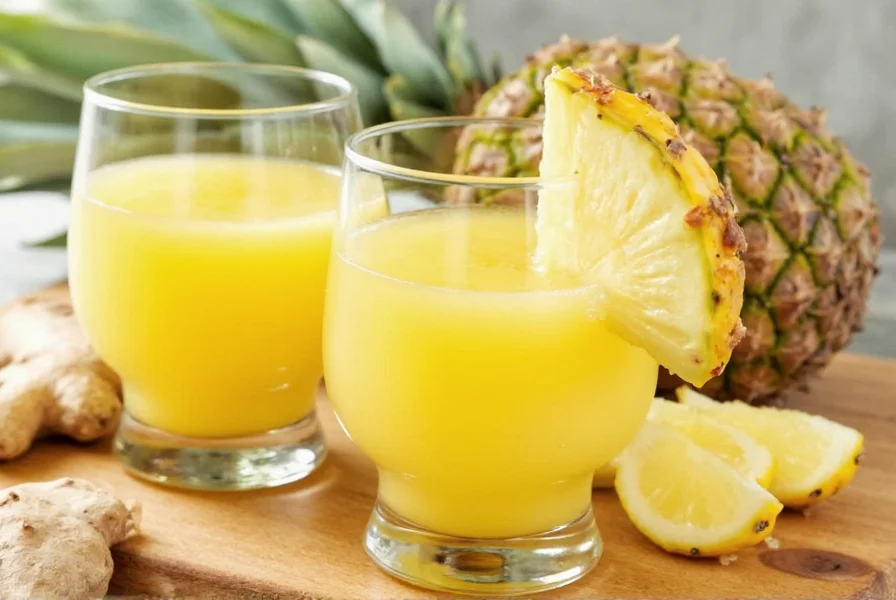
- Combine with 2 cups fresh pineapple chunks, 1 cup water, and 1 tbsp lemon juice
- Blend 60 seconds, then strain through cheesecloth
- Consume within 24 hours (bromelain degrades rapidly)
Pro tip: Add mint leaves to mask ginger's heat without reducing efficacy. Never heat above 120°F (50°C)—this destroys bromelain.
Everything You Need to Know
No direct weight loss effect, but it supports metabolism. Pineapple's manganese aids fat burning, while ginger increases thermogenesis by 10% (USDA data). Use as a low-calorie (70kcal/8oz) alternative to sugary drinks—never as a standalone solution.
Maximum 24 hours refrigerated. Bromelain degrades rapidly after juicing—studies show 50% potency loss by hour 12 (Journal of Food Science). Freeze in ice cube trays for longer storage, but thawing reduces efficacy by 30%.
Yes for nausea relief (NCCIH confirms ginger's safety), but limit to 1oz juice once daily. Avoid if you have gestational diabetes—pineapple's sugar content requires monitoring. Always consult your OB-GYN first.
30 minutes before meals to prime digestion, or within 2 hours after heavy meals. Morning use is ideal for nausea relief. Avoid bedtime consumption—ginger's mild stimulant effect may disrupt sleep.
Fresh is essential. Powdered ginger contains only 15% of active gingerol versus fresh root (USDA analysis). Dried versions also lack the enzyme synergy with pineapple's bromelain. For therapeutic effects, fresh is non-negotiable.
Final Recommendation: Your Action Plan
Start with 4oz daily for 2 weeks to assess tolerance. Prioritize organic ginger (peel contains 40% more gingerol) and ripe pineapple (peak bromelain levels). Discard if you experience heartburn or mouth tingling—signs of overconsumption. For sustained benefits, pair with high-protein meals where bromelain's enzyme action matters most. Remember: this is a complementary tool, not a medical treatment. Consult a dietitian if managing chronic conditions.




 浙公网安备
33010002000092号
浙公网安备
33010002000092号 浙B2-20120091-4