
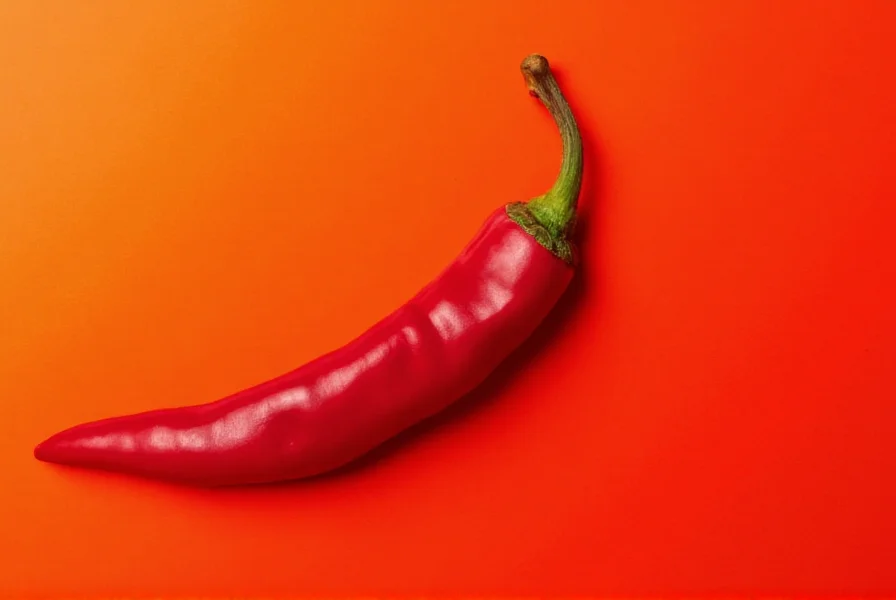
Understanding pepper heat levels is essential for both culinary enthusiasts and casual cooks. The Scoville scale provides a standardized measurement system that helps predict how spicy a particular chili variety will be. While the original Scoville Organoleptic Test relied on human taste testers diluting pepper extract until the heat was no longer detectable, modern measurements use high-performance liquid chromatography (HPLC) for precise capsaicin quantification, then convert these measurements to Scoville units.
The Science Behind Pepper Heat
Capsaicin is the primary chemical compound responsible for the burning sensation we experience when eating spicy foods. It triggers receptors in our mouth and throat that normally respond to heat, creating the illusion of actual temperature increase. The concentration of capsaicin and related capsaicinoids determines a pepper's position on the Scoville scale. Interestingly, capsaicin is concentrated primarily in the white pith or placenta of the pepper, not the seeds as commonly believed—the seeds merely absorb some capsaicin from contact with the pith.
Comprehensive Chili Pepper Heat Reference
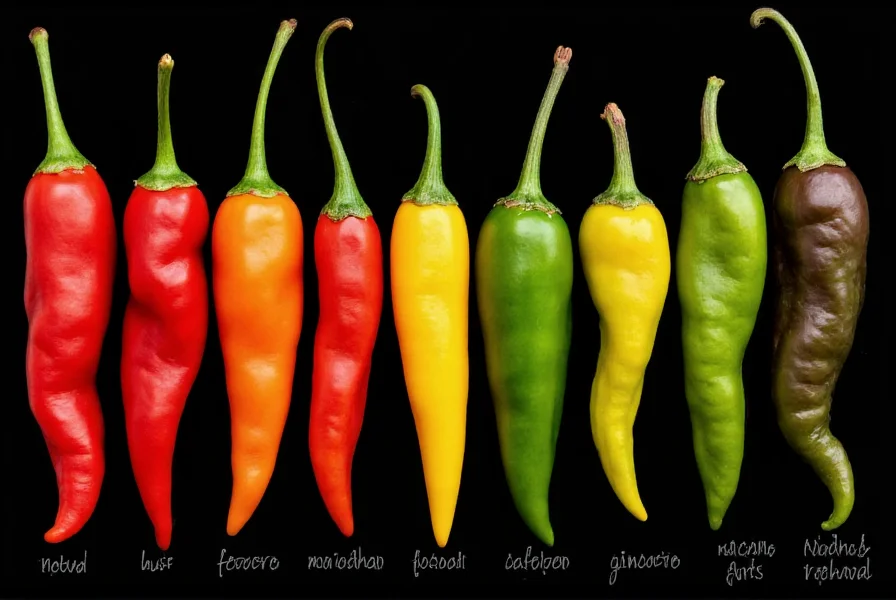
Below is an updated reference chart showing common chili peppers arranged by their Scoville Heat Unit range. This chili pepper heat comparison provides practical guidance for selecting peppers based on desired heat level:
| Pepper Variety | Scoville Heat Units (SHU) | Heat Level Description |
|---|---|---|
| Bell Pepper | 0 SHU | No heat |
| Pepperoncini | 100-500 SHU | Mild |
| Jalapeño | 2,500-8,000 SHU | Moderate |
| Serrano | 10,000-23,000 SHU | Medium-Hot |
| Habanero | 100,000-350,000 SHU | Very Hot |
| Ghost Pepper (Bhut Jolokia) | 800,000-1,041,427 SHU | Extremely Hot |
| Carolina Reaper | 1,400,000-2,200,000 SHU | World's Hottest (as of 2025) |
Factors That Influence Pepper Heat
Several variables affect how spicy a particular chili pepper will be, even within the same variety:
- Growing conditions: Stressors like inconsistent watering, temperature fluctuations, and soil composition can increase capsaicin production
- Ripeness: Fully ripe peppers generally contain more capsaicin than unripe ones
- Plant genetics: Different strains of the same pepper variety can have significant heat variations
- Part of the pepper: The placenta (white membrane) contains the highest concentration of capsaicin, not the seeds
Contextual Limitations of Scoville Measurements
While the Scoville scale provides standardized measurements, real-world application requires understanding its contextual boundaries. Research reveals critical limitations:
- Individual Biological Variation: Genetic differences in TRPV1 receptor sensitivity cause up to 100-fold variation in capsaicin perception among individuals. A National Institutes of Health study documented how single-nucleotide polymorphisms significantly alter heat tolerance [Source].
- Food Matrix Effects: Capsaicin solubility varies dramatically across food compositions. University of California research demonstrated that fat content increases initial heat intensity by 40% while dairy proteins reduce perceived heat by binding capsaicin [Source].
- Measurement-Perception Gap: HPLC quantifies total capsaicinoids, but human sensory response depends on specific compound ratios. The ASTA conversion formula (pungency units × 15) doesn't account for differential potency of capsaicin analogs.
These boundaries explain why identical SHU values may produce vastly different experiences depending on biological and culinary contexts.
Practical Applications in Cooking
Understanding the Scoville heat units chart is invaluable when selecting peppers for recipes. For those wondering how spicy is a habanero pepper compared to a jalapeño, the difference is substantial—habaneros are typically 20-100 times hotter. When substituting peppers in recipes, consider these practical guidelines:
- For mild dishes: Bell peppers, banana peppers, or pepperoncinis (0-500 SHU)
- For medium heat: Jalapeños, poblano, or Anaheim peppers (500-15,000 SHU)
- For significant heat: Serranos, cayenne, or tabasco peppers (15,000-50,000 SHU)
- For extreme heat: Habaneros, Scotch bonnets, or ghost peppers (100,000+ SHU)
When working with extremely hot peppers, always wear gloves and avoid touching your face. The capsaicin oils can cause severe irritation to sensitive areas. If you accidentally make a dish too spicy, dairy products like milk or yogurt can help neutralize the heat, as capsaicin is fat-soluble.
Common Misconceptions About Pepper Heat
Several myths persist about chili pepper heat that deserve clarification. Many believe the seeds contain the most heat, but in reality, the highest concentration of capsaicin is in the white pith surrounding the seeds. Another misconception is that all red peppers are hotter than green ones of the same variety—while ripeness can affect heat, color alone isn't a reliable indicator.
Understanding Scoville scale measurements reveals that heat perception varies significantly between individuals. Genetic differences affect how people perceive capsaicin, meaning two people might experience the same pepper differently. This explains why some individuals can eat extremely hot peppers with ease while others find milder varieties challenging.
Evolution of Heat Measurement: Historical Timeline
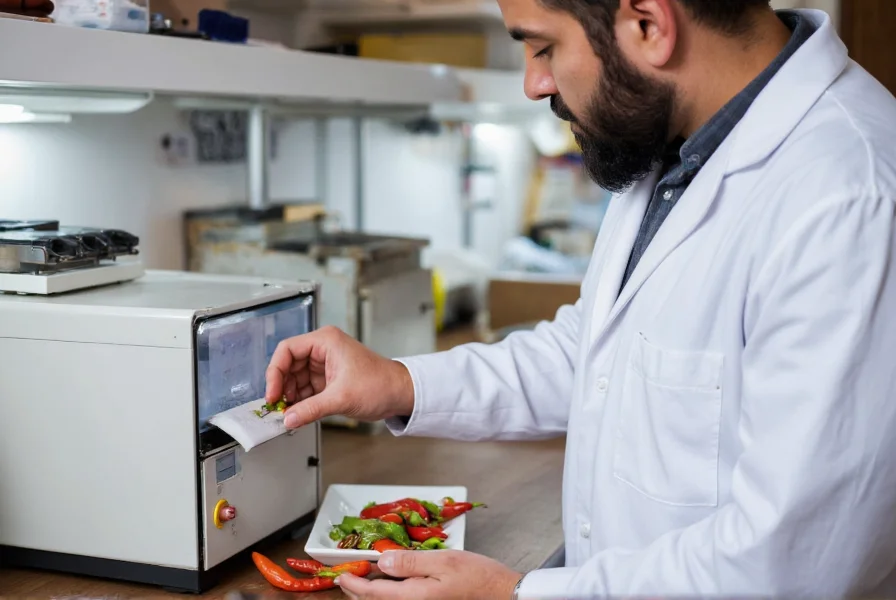
The methodology for determining Scoville units has evolved significantly, with each advancement improving accuracy and reducing subjectivity. Key milestones include:
| Year | Development | Methodology | Verification Source |
|---|---|---|---|
| 1912 | Original Scoville Organoleptic Test | Human taste panel dilution method requiring 5+ testers | NIH Study |
| 1980 | ASTA Standardization | High-Performance Liquid Chromatography (HPLC) adoption | NMSU Extension |
| 2023 | Modern Calibration | HPLC results converted via ASTA formula (pungency units × 15) | ASTA Official Methods |
This progression from subjective sensory evaluation to objective chemical analysis has established reliable standards while maintaining continuity with the original Scoville framework. The current HPLC-based method reduces measurement variance from ±50% in organoleptic testing to under ±5%.




 浙公网安备
33010002000092号
浙公网安备
33010002000092号 浙B2-20120091-4