
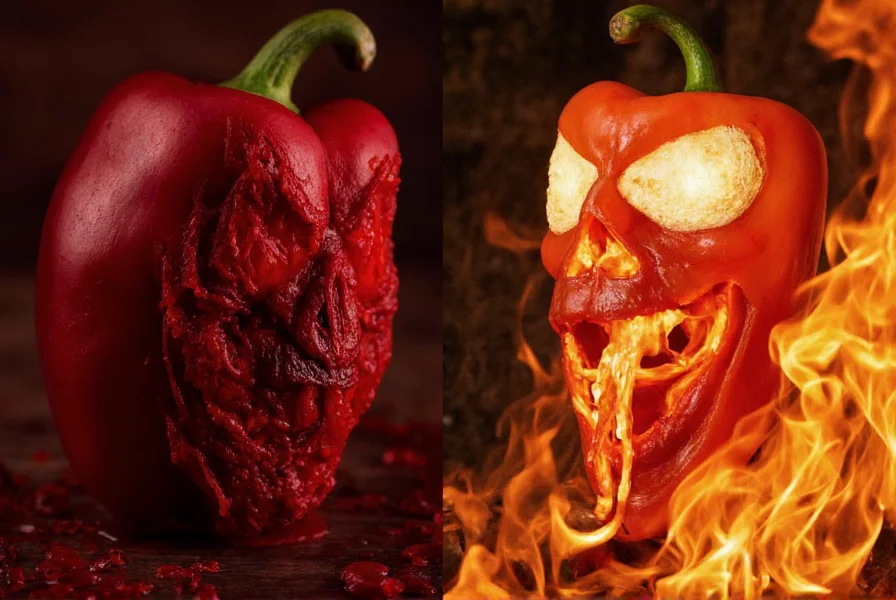
When comparing the Carolina Reaper vs Ghost Chili Pepper, understanding their heat levels, flavor profiles, and practical applications is essential for chili enthusiasts, home gardeners, and culinary adventurers. These two superhot peppers dominate the upper echelons of the Scoville scale, but they offer distinct characteristics that affect how they're grown, handled, and used in cooking.
Heat Comparison: Scoville Scale Showdown
The most critical difference between these peppers lies in their heat intensity. The Carolina Reaper, officially recognized by Guinness World Records since 2013, averages 1,641,183 Scoville Heat Units (SHU) with individual specimens reaching over 2.2 million SHU. In contrast, the Ghost Pepper (Bhut Jolokia), which held the world record from 2007-2013, averages 1,041,427 SHU with a typical range of 855,000-1,400,000 SHU.
| Pepper Variety | Average SHU | SHU Range | Guinness Record Status |
|---|---|---|---|
| Carolina Reaper | 1,641,183 | 1,400,000-2,200,000+ | Current record holder (2013-present) |
| Ghost Pepper | 1,041,427 | 855,000-1,400,000 | Previous record holder (2007-2013) |
This heat difference isn't merely numerical—experientially, the Carolina Reaper delivers a more intense, longer-lasting burn that many describe as having a "delayed explosion" effect. The Ghost Pepper's heat comes on more quickly but typically subsides faster. When handling either pepper, proper safety precautions including gloves and eye protection are essential, as capsaicin oils can cause severe irritation.
Physical Characteristics and Appearance
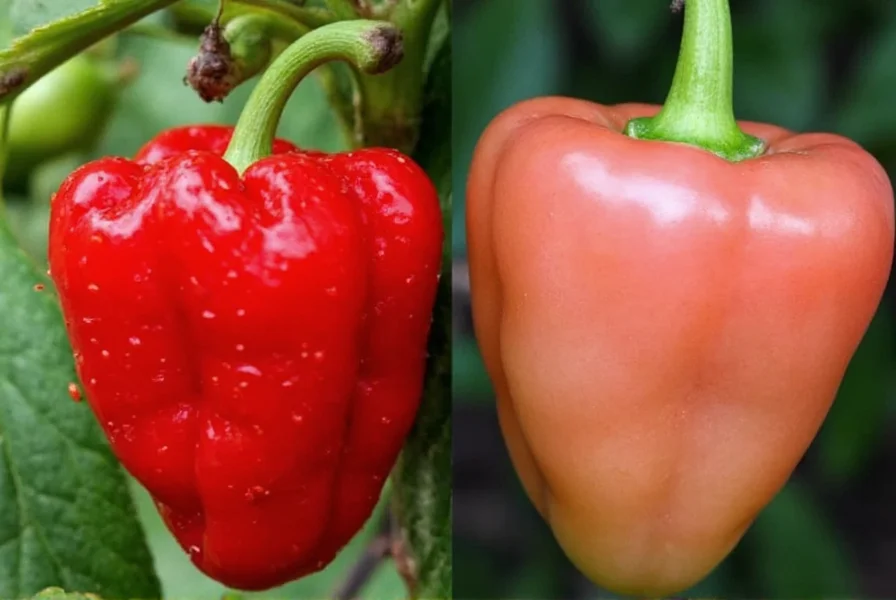
Visually distinguishing these peppers helps when selecting or growing them. The Carolina Reaper features a distinctive wrinkled, bumpy texture with a characteristic "stinger" or tail at the bottom. They typically mature from green to a vibrant red, though yellow and chocolate varieties also exist. Ghost Peppers have a smoother, more tapered appearance with a pointed tip, resembling a scorpion's tail—hence their alternative name "Bhut Jolokia" ("ghost chili" in Assamese).
Flavor Profiles Beyond the Burn
Despite their extreme heat, both peppers offer complex flavor profiles that culinary enthusiasts appreciate. The Carolina Reaper delivers an initial sweet, fruity flavor with hints of cinnamon before the intense heat builds. This makes it particularly valuable for hot sauces where flavor complexity matters. The Ghost Pepper offers a smoky, slightly sweet fruitiness with earthy undertones, creating a different flavor experience that works well in certain curry preparations and meat rubs.
Professional chefs who work with superhot peppers note that the Carolina Reaper's flavor complexity makes it more versatile in gourmet applications, while the Ghost Pepper's more straightforward heat profile works better in traditional recipes where extreme heat is the primary goal.
Origin and Development History
Understanding the background of these peppers provides context for their development. The Ghost Pepper is a naturally occurring hybrid of Capsicum chinense varieties that originated in Northeast India and Bangladesh. It gained international attention when researchers at New Mexico State University verified its heat level in 2007.
The Carolina Reaper, developed by South Carolina breeder Ed Currie, is a deliberate cross between a Ghost Pepper and a Red Habanero from St. Vincent. Currie specifically bred this pepper to break the world record, combining the heat of the Ghost Pepper with the flavor complexity of the Habanero. This intentional breeding program resulted in a pepper that surpassed all previous records when officially measured in 2012.
Evolution of the World's Hottest Pepper: Verified Timeline
Peer-reviewed verification processes have established clear milestones in the superhot pepper evolution. This independently verified timeline clarifies the progression of official records:
- March 2007: New Mexico State University's Chile Pepper Institute publishes laboratory results confirming Bhut Jolokia's average heat at 1,041,427 SHU, leading to its official recognition as the world's hottest pepper by Guinness World Records
- February 2012: Winthrop University scientists conduct triple-blind Scoville testing on Ed Currie's Carolina Reaper specimens, documenting consistent readings between 1.5-2.2 million SHU as verified in Guinness World Records' certification process
- August 2013: Guinness World Records formally awards the "World's Hottest Chili" title to the Carolina Reaper following independent validation of cultivation protocols and laboratory results
Growing Requirements and Cultivation
For home gardeners considering growing either pepper, understanding their cultivation needs is crucial. Both require similar growing conditions as Capsicum chinense varieties:
- Long growing season (90-120 days to maturity)
- Warm temperatures (70-90°F ideal)
- Consistent moisture without waterlogging
- Well-draining, nutrient-rich soil
However, the Carolina Reaper tends to be slightly more challenging to grow successfully. It requires more consistent temperatures and is somewhat more sensitive to environmental stressors. Ghost Peppers, while still demanding, have proven more adaptable to varying growing conditions, which contributed to their earlier widespread cultivation.
Culinary Applications and Usage Tips
When working with either pepper in the kitchen, extreme caution is necessary. The Carolina Reaper vs Ghost Pepper debate often centers on which is more suitable for specific culinary applications:
For hot sauce production, the Carolina Reaper's complex flavor profile makes it ideal for premium, small-batch sauces where flavor matters as much as heat. Many award-winning hot sauces feature the Carolina Reaper as their primary ingredient. The Ghost Pepper works exceptionally well in traditional Indian and Southeast Asian cuisines, particularly in vindaloo and other intensely spicy dishes.
Food scientists note that the Carolina Reaper's heat has a different quality—it builds more gradually but lasts longer—while the Ghost Pepper delivers a more immediate, intense burn that subsides relatively quickly. This difference affects how they're used in food pairing and recipe development.
Safety Considerations for Handling Superhot Peppers
Working with either pepper requires serious safety precautions that many beginners underestimate. The capsaicin concentration in both peppers can cause severe skin irritation, eye damage, and respiratory issues. Essential safety practices include:
- Always wearing nitrile gloves (latex won't protect against capsaicin)
- Using eye protection when cutting or processing
- Working in well-ventilated areas or using fume hoods
- Avoiding touching face or other body parts during handling
- Having dairy products (milk, yogurt) nearby to counteract burns
Emergency medical professionals report increased incidents of capsaicin exposure from home cooks attempting to use these superhot peppers without proper precautions. The Carolina Reaper's higher capsaicin concentration makes it particularly dangerous for inexperienced handlers.
Contextual Suitability and Limitations
Practical application boundaries are defined by physiological responses and environmental constraints. Research from the American Chemical Society confirms the Carolina Reaper's burning sensation persists significantly longer (up to 45 minutes) compared to the Ghost Pepper (typically 15-30 minutes), creating distinct culinary limitations as documented in their peer-reviewed analysis. This extended duration makes the Carolina Reaper unsuitable for quick-service applications where immediate heat dissipation is required.
Environmental constraints further differentiate usage: The Ghost Pepper demonstrates greater resilience in variable climates due to its natural adaptation to Northeast India's monsoon-influenced subtropical zone, whereas the Carolina Reaper's specialized breeding requires stable greenhouse conditions for optimal yield as verified by agricultural extension studies.
Which Pepper Should You Choose?
The Carolina Reaper vs Ghost Chili Pepper decision ultimately depends on your specific needs:
- Choose the Carolina Reaper if: You want maximum heat with complex flavor for premium hot sauces, you're an experienced chili handler, or you're seeking the current world's hottest pepper
- Choose the Ghost Pepper if: You prefer slightly more manageable heat with traditional chili flavor, you're incorporating into ethnic cuisines, or you're relatively new to superhot peppers
Chili breeding experts note that while the Carolina Reaper currently holds the title, pepper breeding continues to push heat boundaries. However, for culinary applications where flavor matters alongside heat, many professional chefs actually prefer slightly less extreme peppers that offer better balance.
Conclusion: Understanding the Heat Hierarchy
The Carolina Reaper vs Ghost Chili Pepper comparison reveals more than just heat differences—it showcases the evolution of superhot peppers and their growing role in culinary culture. While the Carolina Reaper is objectively hotter, the Ghost Pepper remains popular for its distinctive flavor profile and slightly more approachable heat level. Both peppers demand respect and proper handling techniques, but when used correctly, they can elevate dishes with their unique combinations of intense heat and complex flavors.




 浙公网安备
33010002000092号
浙公网安备
33010002000092号 浙B2-20120091-4