
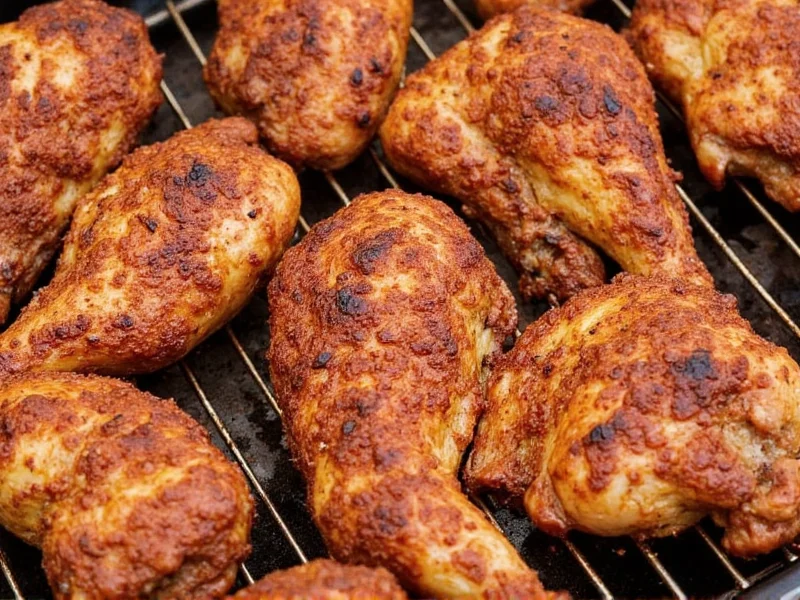
Creating the perfect grilled chicken starts with a well-formulated dry rub. The right combination of spices not only enhances flavor but also helps form that desirable caramelized crust during grilling. After testing dozens of formulations, we've identified the key components that make a rub truly exceptional for grilled chicken.
Why This Rub Formula Works
The ideal grilled chicken rub needs to balance several elements: flavor enhancement, crust formation, and heat resistance. Unlike marinades that penetrate the meat, rubs work primarily on the surface, creating that signature grilled texture and flavor.
Our recommended formulation succeeds because:
- Paprika provides color and mild sweetness without overwhelming heat
- Garlic and onion powder deliver consistent flavor (unlike fresh garlic which can burn)
- Brown sugar aids in caramelization but in moderation to prevent burning
- Salt is essential for flavor enhancement and moisture retention
- Dried thyme adds herbal complexity that complements chicken perfectly
The Evolution of Chicken Rubs: Historical Context
Dry rub formulations have evolved significantly from their barbecue origins. According to Smithsonian Magazine's culinary historians, the modern dry rub emerged in the American South during the early 20th century as a method for enhancing slow-cooked meats. Chicken-specific rubs gained prominence post-World War II with the backyard grilling boom, transitioning from simple salt-and-pepper blends to complex formulations incorporating garlic powders (1950s), commercial spice mixes (1970s), and health-conscious variations like reduced-sugar options (1990s-present). This evolution reflects both technological advances in spice processing and shifting consumer preferences toward balanced flavor profiles.
Source: Smithsonian Magazine: A Brief History of Barbecue
Essential Components of the Best Grilled Chicken Rub
Understanding what makes each ingredient valuable helps you customize rubs for different preferences and dietary needs. Here's why these components matter for the best dry rub for grilled chicken breast and other cuts:
| Ingredient | Primary Function | Recommended Amount |
|---|---|---|
| Salt | Flavor enhancement, moisture retention | 2 tsp per 1/4 cup rub |
| Paprika | Color, mild sweetness, visual appeal | 2 Tbsp per 1/4 cup rub |
| Garlic powder | Depth of flavor, savory notes | 1 Tbsp per 1/4 cup rub |
| Brown sugar | Caramelization, slight sweetness | 1 Tbsp per 1/4 cup rub |
| Dried thyme | Herbal complexity, earthy notes | 2 tsp per 1/4 cup rub |
Three Proven Rub Formulations for Different Preferences
1. Classic Balanced Rub (Our Top Recommendation)
This versatile blend works for all chicken cuts and grilling methods. It's the perfect homemade chicken grill rub recipe for beginners and experienced grillers alike.
Ingredients:
- 2 tablespoons smoked paprika
- 1 tablespoon garlic powder
- 1 tablespoon onion powder
- 1 tablespoon brown sugar
- 2 teaspoons kosher salt
- 2 teaspoons freshly ground black pepper
- 2 teaspoons dried thyme
- 1 teaspoon cayenne pepper (optional for heat)
Application: Mix thoroughly. Apply 1-2 tablespoons per pound of chicken, pressing gently into the surface. Let sit 30-60 minutes before grilling for best results.
2. Sugar-Free Mediterranean Rub
Ideal for those monitoring sugar intake or preferring savory profiles. This healthy grilled chicken seasoning avoids sugar while maintaining excellent crust formation.
Ingredients:
- 2 tablespoons sweet paprika
- 1 tablespoon garlic powder
- 1 tablespoon dried oregano
- 2 teaspoons onion powder
- 2 teaspoons kosher salt
- 1 teaspoon dried rosemary, finely crushed
- 1 teaspoon lemon zest powder
- 1 teaspoon black pepper
3. Spicy Cajun-Style Rub
For those who enjoy bold flavors and heat. This simple grilled chicken seasoning mix brings Louisiana flavor to your backyard grill.
Ingredients:
- 2 tablespoons paprika
- 1 tablespoon garlic powder
- 1 tablespoon onion powder
- 1 tablespoon dried thyme
- 2 teaspoons cayenne pepper
- 2 teaspoons black pepper
- 1 teaspoon white pepper
- 2 teaspoons salt
- 1 teaspoon dried oregano
Application Techniques for Perfect Results
How you apply your rub matters as much as the rub itself. Follow these professional tips for the best spice rub for chicken on the grill:
- Dry the surface: Pat chicken completely dry with paper towels before applying rub
- Oil first: Lightly coat chicken with neutral oil (like canola) before applying rub to help it adhere
- Press, don't sprinkle: Gently press the rub into the chicken rather than just sprinkling it on
- Don't over-apply: Use about 1 tablespoon of rub per pound of chicken - too much creates a paste that doesn't caramelize properly
- Rest time: Allow at least 30 minutes (up to 2 hours) for flavors to penetrate before grilling
Contextual Limitations and Adjustments
While our recommended formula excels in standard conditions, specific scenarios require modifications. The American Meat Science Association emphasizes that grilling above 400°F with sugar-containing rubs risks charring that may produce heterocyclic amines. For electric grills operating at lower temperatures (325-375°F), increase brown sugar by 25% to achieve proper caramelization. In humid conditions (>70% relative humidity), extend resting time by 15-20 minutes for optimal adhesion. High-altitude cooking (above 5,000 feet) requires reducing sugar content by 20% to prevent rapid burning due to lower boiling points.
Source: American Meat Science Association: Meat Cooking Guidelines
Timing Considerations for Maximum Flavor
The timing of rub application significantly affects your grilled chicken's final taste and texture. For the how to make perfect grilled chicken rub experience, follow these guidelines:
- 30-60 minutes before grilling: Ideal for most rubs - enough time for surface flavor absorption without drawing out moisture
- Overnight: Only recommended for salt-heavy rubs (like dry brines), not for sugar-containing rubs which can cause premature browning
- Immediately before grilling: Acceptable only in time-pressed situations, but results in less flavor penetration
Avoid applying sugar-containing rubs more than 2 hours before grilling, as the sugar can begin to break down the surface proteins and create an undesirable texture.
Common Rub Mistakes to Avoid
Even with the best ingredients, these errors can ruin your grilled chicken:
- Using fresh garlic or onion: Burns easily on the grill, creating bitter flavors
- Overloading sugar: Causes rapid burning before chicken cooks through
- Skipping the oil layer: Rub won't adhere properly, leading to uneven seasoning
- Applying to wet chicken: Rub slides off instead of sticking to the surface
- Not adjusting for cut: Breast needs less rub than thighs due to lower fat content
Final Recommendations
The best rub for grilled chicken balances flavor enhancement with practical grilling performance. Our recommended classic formulation works for nearly all preferences and cooking scenarios. For those seeking a grilled chicken rub without sugar, the Mediterranean version delivers excellent results while accommodating dietary restrictions.
Remember that the perfect rub is ultimately personal - adjust spice levels to your preference, but maintain the core ratio of 2 parts paprika to 1 part aromatics (garlic/onion) to 1 part salt for consistently great results. Whether you're preparing a simple weeknight dinner or hosting a backyard barbecue, the right rub transforms ordinary grilled chicken into something extraordinary.
Frequently Asked Questions
How much rub should I use per pound of chicken?
Use approximately 1-2 tablespoons of rub per pound of chicken. For chicken breasts, start with 1 tablespoon as they have less fat to carry flavors. Thighs can handle the full 2 tablespoons. Apply evenly by gently pressing the rub into the chicken's surface rather than just sprinkling it on.
Can I use this rub on chicken before grilling frozen chicken?
No, always thaw chicken completely before applying any rub. Applying rub to frozen chicken creates a paste that doesn't adhere properly once the ice melts, resulting in uneven seasoning. For best results, thaw chicken in the refrigerator, then pat dry thoroughly before applying the rub and allowing 30-60 minutes for the flavors to penetrate.
How long should I let the rub sit on chicken before grilling?
For optimal results, let the rub sit on chicken for 30-60 minutes at room temperature before grilling. This allows flavors to penetrate the surface without drawing out excessive moisture. Avoid leaving sugar-containing rubs on for more than 2 hours as the sugar can begin to break down the proteins. For salt-heavy rubs (dry brines), 4-12 hours works well, but this differs from standard spice rubs.
Why does my rub burn on the grill?
Rub burning typically happens for three reasons: too much sugar in the rub, grill temperature too high, or applying the rub too far in advance. To prevent burning, limit sugar to 1 tablespoon per 1/4 cup of rub, maintain grill temperature at 375-400°F, and don't apply sugar-containing rubs more than 2 hours before cooking. If burning occurs, move chicken to a cooler part of the grill.
Can I use the same rub for chicken and other meats?
While many rubs work across proteins, chicken benefits from more delicate seasoning than beef or pork. Our recommended rub formulation is optimized for chicken's mild flavor. For beef, you'd typically increase pepper and add more robust spices. If using the same rub for multiple meats, consider making a base blend (paprika, garlic, onion, salt) then adding meat-specific elements separately.




 浙公网安备
33010002000092号
浙公网安备
33010002000092号 浙B2-20120091-4