
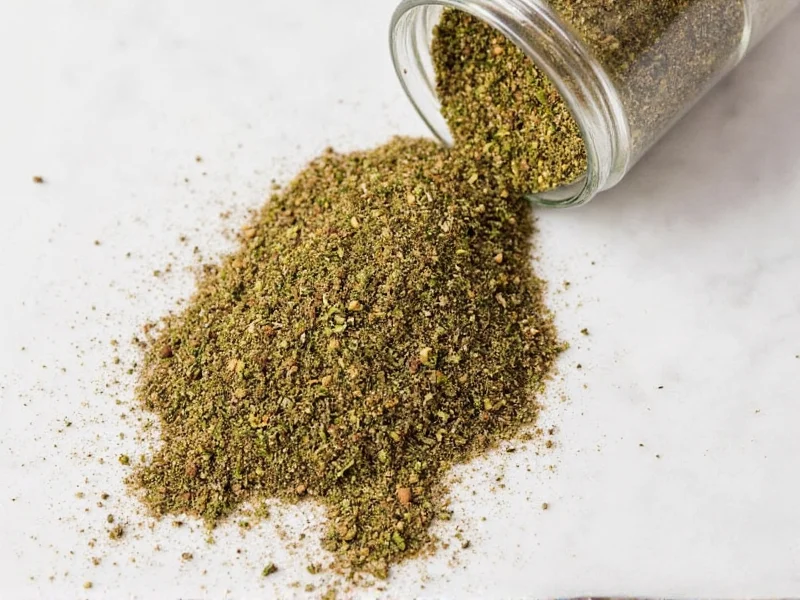
Oregano seasoning stands as one of the most versatile dried herbs in global cooking. Unlike fresh oregano, which has a more delicate flavor profile, dried oregano seasoning concentrates the herb's essential oils, creating a more intense aromatic experience. This transformation occurs through careful drying processes that preserve the herb's volatile compounds while removing moisture content.
What Exactly Is Oregano Seasoning?
Oregano seasoning refers specifically to the dried, crumbled leaves of the oregano plant, typically ground to a fine consistency for easy incorporation into recipes. The most common varieties used for commercial seasoning come from two botanical sources: Origanum vulgare (European oregano) and Origanum heracleoticum (Greek oregano), with the latter containing higher concentrations of thymol and carvacrol that create its signature pungency.
When examining oregano seasoning vs dried oregano, note that "seasoning" typically indicates a ready-to-use product that may occasionally contain anti-caking agents, while pure dried oregano consists solely of the herb. Authentic oregano seasoning should list only "oregano" as its ingredient, without fillers or additives.
| Characteristic | Fresh Oregano | Oregano Seasoning |
|---|---|---|
| Flavor Intensity | Mild, grassy | Concentrated, earthy |
| Best Used In | Garnishes, finishing touches | Cooking processes, marinades |
| Shelf Life | 1-2 weeks refrigerated | 1-3 years properly stored |
| Flavor Release | Immediate but delicate | Gradual during cooking |
| Substitution Ratio | 1 tablespoon fresh = 1 teaspoon dried | 1 teaspoon dried = 3 tablespoons fresh |
Historical Evolution of Oregano Use
Oregano's culinary journey spans over 2,500 years, with documented usage evolving through distinct historical phases:
- Ancient Greece (8th-5th century BCE): First recorded medicinal and culinary applications; name derived from Greek "oros" (mountain) and "ganos" (joy), reflecting its wild habitat and cultural significance
- Roman Empire (1st-4th century CE): Adopted as a preservative for meats and wines; spread across Europe via military campaigns and trade routes
- Middle Ages (5th-15th century): Cultivated in monastery gardens for wound treatment; featured in Hildegard of Bingen's 12th-century medical texts
- 16th century: Introduction to the Americas by Spanish colonists; adaptation into indigenous Mexican cooking traditions
- 1930s: Scientific identification of carvacrol as primary active compound by French chemist René-Emile Gauthier
- 1980s-present: Commercial drying standardization enables global distribution; USDA establishes quality grading protocols
Source: National Center for Biotechnology Information (2018). Origanum vulgare L. (Lamiaceae): Botanical, Chemical and Pharmacological Aspects of an Ancient Medicinal Plant.
Flavor Profile and Culinary Applications
The distinctive taste of oregano seasoning features earthy base notes with warm peppery undertones and subtle floral hints. When properly used in cooking, it creates complex flavor layers that enhance rather than overpower dishes. Professional chefs note that oregano seasoning works particularly well in acidic environments, where its flavor compounds become more pronounced.
For authentic Italian cooking with oregano seasoning, add it early in the cooking process to sauces, soups, and braises. The extended cooking time allows the dried herb to rehydrate and release its full flavor potential. When making pizza sauce or tomato-based pasta sauces, incorporate oregano seasoning during the simmering phase rather than as a finishing touch.
Mexican cuisine utilizes a different oregano variety (Origanum vulgare subsp. hirtum) with more citrus notes, making it ideal for bean dishes, chili, and taco seasoning blends. Understanding regional oregano differences helps home cooks select the appropriate variety for specific recipes.
Contextual Limitations and Optimal Applications
While versatile, oregano seasoning has specific boundaries where its flavor profile either excels or becomes problematic. Understanding these contextual limitations prevents culinary missteps:
- Acidic Environments (Optimal): Performs exceptionally in tomato-based sauces, vinegar dressings, and citrus-marinated dishes where acidity enhances flavor release. Avoid in low-acid applications like cream sauces where flavor remains muted
- Heat Exposure (Critical Limit): Volatile compounds degrade rapidly above 350°F (177°C); never add directly to high-heat searing. Best incorporated during simmering phases (180-200°F / 82-93°C) for optimal flavor extraction
- Regional Dish Compatibility: Greek oregano (O. heracleoticum) dominates Mediterranean dishes but overwhelms Mexican moles; use Mexican oregano (Lippia graveolens) for authentic Latin American flavors. The USDA PLANTS Database distinguishes these botanical varieties for accurate selection
- Sweet Dish Incompatibility: Strong earthy notes clash with desserts and fruit preparations; substitute with milder herbs like basil in sweet applications
Source: USDA PLANTS Database. Origanum vulgare and Lippia graveolens.
Optimal Usage Techniques
Mastering how to use oregano seasoning properly requires understanding its chemical properties. The herb's essential oils are fat-soluble, meaning they release best when combined with oils or fats early in cooking. For maximum flavor extraction:
- Add oregano seasoning to hot oil before other ingredients to bloom the flavors
- Incorporate into marinades at least 30 minutes before cooking
- Use in tomato-based sauces where acidity enhances flavor release
- Avoid excessive heat that can burn the delicate compounds
When substituting fresh oregano for dried seasoning, remember the 3:1 ratio—three parts fresh equal one part dried. This accounts for the moisture difference and concentration of flavor compounds. For those wondering how much oregano seasoning equals fresh oregano, this ratio provides consistent results across recipes.
Storage Methods for Maximum Freshness
Proper storage dramatically affects oregano seasoning shelf life and potency. Exposure to light, heat, and moisture causes rapid degradation of the essential oils responsible for flavor. To maintain optimal quality:
- Store in airtight glass containers away from heat sources
- Keep in a cool, dark cupboard (not above the stove)
- Avoid refrigeration which introduces moisture
- Check potency by rubbing between fingers and smelling
Oregano seasoning typically maintains peak flavor for 1-2 years when stored properly. After this period, while still safe to consume, the flavor compounds gradually diminish. To test if your oregano seasoning is still potent, rub a small amount between your fingers—if the aroma is weak or musty, it's time for replacement.
Effective Substitutes When Oregano Is Unavailable
When seeking oregano seasoning substitutes, consider both flavor profile and intended use. The best alternatives include:
- Marjoram: Offers similar earthiness with sweeter notes (use 1:1 ratio)
- Italian seasoning blend: Contains oregano plus complementary herbs
- Thyme: Provides earthy notes with more subtle flavor (use 1.5x amount)
- Herbes de Provence: Works well in Mediterranean dishes
For those specifically needing substitutes for oregano seasoning in pizza recipes, a combination of equal parts marjoram and basil often delivers the closest flavor profile. When substituting in Greek dishes, dried mint can complement remaining oregano notes.
Nutritional Properties and Culinary Benefits
Beyond flavor, oregano seasoning offers notable nutritional properties. Just one teaspoon contains measurable amounts of:
- Vitamin K (27% of daily value)
- Manganese (7% of daily value)
- Iron (4% of daily value)
- Antioxidants including rosmarinic acid
Research indicates oregano contains 42 times more antioxidant activity than apples and 30 times more than potatoes by weight (Dragland et al., 2003). While consumed in small quantities, regular use contributes to overall dietary antioxidant intake. The herb's natural compounds also demonstrate antimicrobial properties that may help preserve food safety in certain applications.




 浙公网安备
33010002000092号
浙公网安备
33010002000092号 浙B2-20120091-4