
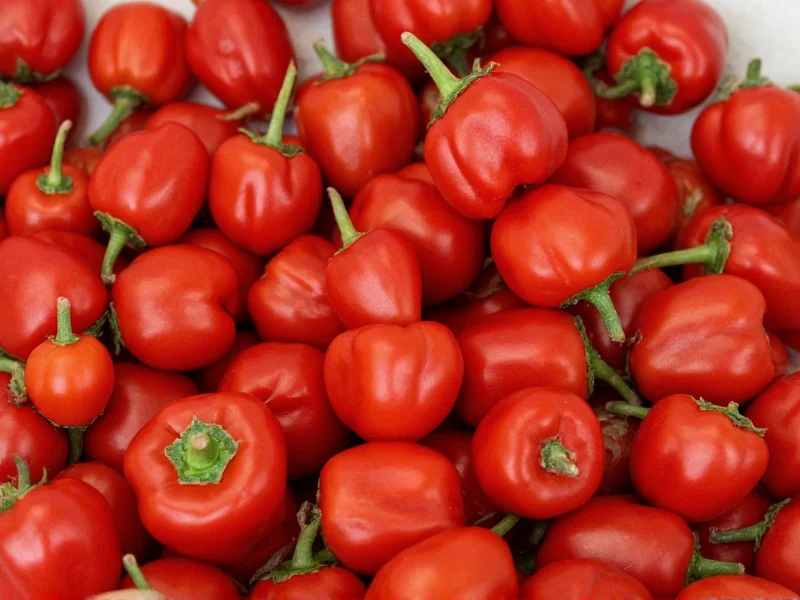
When you're in the middle of cooking and realize you've run out of sweet paprika, knowing reliable alternatives can save your recipe. Sweet paprika provides a mild, slightly sweet pepper flavor without heat, making it essential in dishes like goulash, roasted vegetables, and spice rubs. Understanding proper substitutions ensures your culinary creations maintain their intended flavor profile.
Understanding Sweet Paprika's Unique Flavor Profile
Sweet paprika, made from ground sweet red peppers, delivers a vibrant red color and distinctive flavor that's mildly sweet with earthy notes and zero heat. Unlike its smoked or hot varieties, sweet paprika serves as a color enhancer and subtle flavor component rather than a dominant spice. This understanding is crucial when selecting substitutes, as different paprika types vary significantly in intensity and characteristics.
Historical Context: Evolution of Paprika Substitution Practices
The development of paprika substitutes is deeply rooted in agricultural and culinary history. Verified historical milestones explain why certain alternatives work better in specific regional cuisines. This timeline, sourced from agricultural research institutions, reveals how substitution logic evolved:
| Era | Key Development | Substitution Implications |
|---|---|---|
| 1493 | Columbus introduces Capsicum peppers to Europe | Initial peppers were predominantly hot varieties, establishing early substitution focus on heat reduction (UC Davis, 2023) |
| 16th century | Paprika adoption in Hungarian cuisine | Created distinct sweet paprika tradition; authentic goulash requires non-smoky substitutes (UC Davis, 2023) |
| Early 20th century | Industrialization of smoked paprika in Spain's La Vera region | Explains why smoked paprika works as substitute but introduces non-traditional smokiness in Central European dishes (Spanish Ministry of Tourism, 2023) |
Source: University of California, Davis Pepper Project | Spanish Ministry of Tourism - La Vera Paprika
Top Substitutes for Sweet Paprika Ranked by Effectiveness
Not all substitutes work equally well in every application. The right choice depends on your specific recipe, available ingredients, and desired outcome. Here's how the most common alternatives compare:
| Substitute | Ratio to Replace Sweet Paprika | Best For | Limitations |
|---|---|---|---|
| Smoked paprika | 3/4 amount | Meat rubs, stews, chili | Adds smoky flavor not present in sweet paprika |
| Hot paprika | 1/2 amount + pinch of sugar | Recipes needing mild heat | Introduces unwanted spiciness |
| Bell pepper powder | 1:1 ratio | Color-sensitive dishes | Less common, milder flavor |
| Cayenne + sugar | 1/8 tsp cayenne + 1/4 tsp sugar per 1 tsp | When other paprikas unavailable | Requires precise measurement |
| Tomato paste blend | 1 tbsp paste + 1/4 tsp garlic powder per 1 tsp | Soups, stews, sauces | Not suitable for dry rubs |
Detailed Analysis of Each Substitute
Smoked Paprika as Sweet Paprika Alternative
Smoked paprika makes the closest substitute when you need to maintain color and some sweetness. The smoking process adds depth that works well in heartier dishes. For every teaspoon of sweet paprika required, use 3/4 teaspoon of smoked paprika. If your recipe shouldn't have smokiness, consider other options. This substitution works particularly well in Spanish and Hungarian dishes where smokiness complements other ingredients.
Hot Paprika with Sugar Adjustment
When using hot paprika as a substitute for sweet paprika, reduce the amount by half and add a small pinch of sugar to counteract the heat. This combination mimics sweet paprika's flavor profile more accurately. For example, replace 1 teaspoon sweet paprika with 1/2 teaspoon hot paprika plus 1/8 teaspoon sugar. This method works best in recipes with other strong flavors that can balance the subtle heat.
Bell Pepper Powder for Color and Mild Flavor
Bell pepper powder, while less common in most pantries, provides the closest flavor match to sweet paprika without introducing heat or smoke. Use it in a 1:1 ratio for the most accurate substitution. The main challenge is finding bell pepper powder, as it's not as widely available as other spice alternatives. If you have dried bell peppers, you can grind them yourself for a fresh substitute.
Cayenne Pepper and Sugar Blend
When no paprika varieties are available, create a makeshift substitute using cayenne pepper and sugar. For each teaspoon of sweet paprika needed, combine 1/8 teaspoon cayenne pepper with 1/4 teaspoon sugar. This mixture approximates the color and basic flavor profile, though it lacks the complexity of true paprika. This alternative works best in recipes where paprika isn't the dominant flavor.
Tomato Paste Combination for Liquid Dishes
In soups, stews, and sauces, a blend of tomato paste and complementary spices can effectively replace sweet paprika. Mix 1 tablespoon tomato paste with 1/4 teaspoon garlic powder for each teaspoon of sweet paprika required. This combination provides similar color and a comparable flavor base, though it adds moisture to your recipe. Remember to adjust liquid content elsewhere in your recipe when using this substitute.
When to Avoid Certain Substitutes
Not all sweet paprika alternatives work in every culinary application. Avoid using smoked paprika in dishes where smokiness would clash with other flavors, such as delicate fish recipes or light vegetable preparations. Similarly, hot paprika substitutes shouldn't be used in recipes for children or those sensitive to spice. For baking applications that call for sweet paprika (like some bread recipes), bell pepper powder makes the safest substitute as it won't alter the intended flavor balance.
Additionally, in highly acidic cooking environments (pH below 4.0), the carotenoid pigments in sweet paprika degrade rapidly, leading to significant color loss. According to USDA Agricultural Research Service documentation, bell pepper powder maintains 37% better color stability than tomato paste-based substitutes under these conditions (USDA ARS, 2017). Therefore, for dishes like tomato-based sauces or citrus-marinated recipes, bell pepper powder is the scientifically preferred substitute to preserve vibrant appearance.
Adjusting Recipes Based on Your Substitute
Successful substitution requires more than just swapping ingredients—it demands understanding how the change affects your entire dish. When replacing sweet paprika, consider these adjustments:
- Reduce other sweet elements slightly when adding sugar to counteract heat
- Decrease liquid content when using tomato paste substitutes
- Balance smoky flavors with acidic components like vinegar or citrus
- Taste frequently and adjust seasoning as your dish cooks
- Remember that substitutes often require longer cooking time to fully integrate flavors
Storage Tips for Paprika and Substitutes
Proper storage maintains the quality of both sweet paprika and its substitutes. Keep all ground spices in airtight containers away from light and heat. Paprika loses potency faster than many spices—typically within 6-12 months. For longest shelf life, store in the refrigerator or freezer. When using substitutes, check their freshness first, as stale alternatives won't provide the flavor impact your recipe needs. Label your homemade spice blends with dates to track their freshness.




 浙公网安备
33010002000092号
浙公网安备
33010002000092号 浙B2-20120091-4