
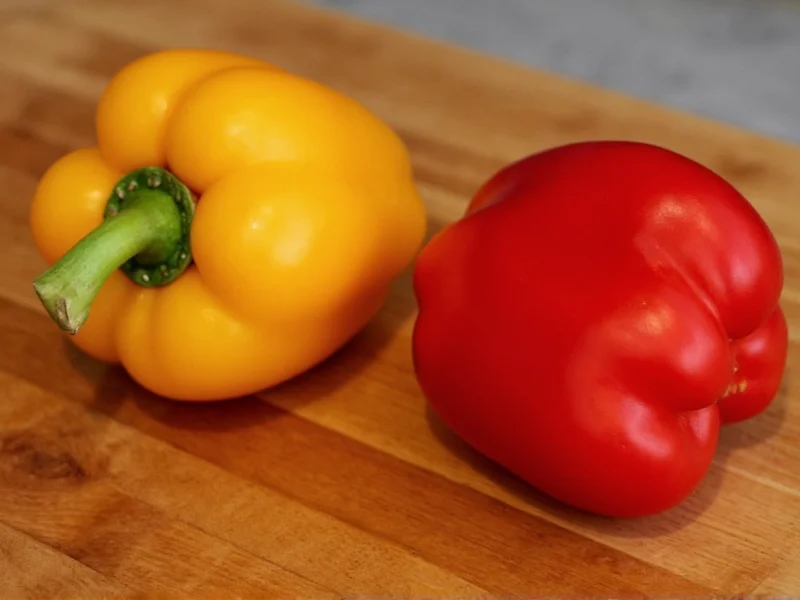
When exploring which bell pepper is the sweetest, understanding the ripening process is essential. Bell peppers don't start out sweet—they transform from green to their final color as they mature on the vine. This maturation process directly impacts their sugar content and flavor profile.
Understanding Bell Pepper Ripeness and Sweetness
Bell peppers undergo a fascinating biochemical transformation as they ripen. All bell peppers begin as green fruits, regardless of their eventual color. As they mature, chlorophyll breaks down and other pigments develop, while sugar content increases significantly.
Key Stages in the Ripening Timeline
The transformation from green to red bell pepper occurs over a predictable timeline with distinct biochemical changes at each stage, as documented by agricultural research (Cornell University Cooperative Extension, 2023):
- Up to 70 days: Peppers remain green. Harvested at this stage for commercial green peppers. Chlorophyll dominates, giving the green color. Sugar content is low (3-4%) and bitter compounds are present.
- 70-80 days: Peppers transition to yellow. Chlorophyll breaks down, revealing yellow carotenoids. Sugar content rises to 4-5% as starches convert to sugars.
- 75-85 days: Peppers may turn orange. Orange pigments (carotenes) become prominent. Sugar content peaks at 4.5-5.5% in many varieties.
- 80-90+ days: Peppers reach full red ripeness. Complete conversion to red carotenoids (lycopene). Sugar content reaches 5-6%, and vitamin C levels double compared to the green stage.
Bell Pepper Sweetness Comparison by Color
| Color | Sugar Content | Relative Sweetness | Days to Full Ripeness |
|---|---|---|---|
| Green | 3-4% | Least sweet | 60-70 days |
| Yellow | 4-5% | Moderately sweet | 70-80 days |
| Orange | 4.5-5.5% | Very sweet | 75-85 days |
| Red | 5-6% | Most sweet (standard varieties) | 80-90 days |
Why Red Bell Peppers Are Generally the Sweetest
The extended time red bell peppers spend on the plant allows for complete conversion of starches to sugars. This biochemical process explains why red vs yellow bell pepper sweetness comparisons typically favor red varieties. During ripening:
- Chlorophyll degrades, revealing carotenoids (yellow, orange, red pigments)
- Starches convert to simple sugars through enzymatic activity
- Vitamin C content increases by up to 2x compared to green peppers
- Bitter compounds decrease significantly
Research from agricultural universities confirms that red bell peppers contain approximately 50% more sugar than their green counterparts. This bell pepper sugar content by color difference makes red peppers noticeably sweeter to the human palate.
Exceptional Sweet Varieties Beyond Standard Colors
While red bell peppers are generally the sweetest common variety, certain specialty cultivars push sweetness boundaries further:
- 'Gourmet Yellow' - This yellow variety often tests higher in sugar content than many red peppers, with some specimens reaching 6.2% sugar
- 'Orange Sun' - An orange cultivar known for exceptional sweetness and fruity flavor notes
- 'Sweet Bell' series - Specifically bred for maximum sugar content across color varieties
- 'Corno di Toro Rosso' - An Italian heirloom red pepper with remarkable sweetness
These specialty varieties demonstrate that most flavorful bell pepper variety can vary based on specific cultivar selection, not just color alone. Gardeners seeking the sweetest possible bell peppers should consider these high-sugar cultivars.
Contextual Factors That Influence Sweetness Rankings
While red bell peppers are generally the sweetest, several contextual factors create important boundaries for this rule:
- Growing Conditions: In cooler climates or shaded environments, peppers may not achieve full sugar development. A red pepper grown in suboptimal conditions might be less sweet than a yellow pepper grown in ideal sunlight (University of California Agriculture and Natural Resources, 2021).
- Harvest Timing: A red pepper harvested slightly early (before 85 days) may have lower sugar content than a fully matured yellow variety. Commercial growers sometimes pick reds before peak ripeness for longer shelf life.
- Cultivar Selection: As demonstrated by 'Gourmet Yellow', genetic factors can override color-based sweetness predictions. Always verify specific cultivar characteristics.
- Post-Harvest Handling: Extended storage above 45°F causes quality degradation including moisture loss and flavor deterioration, reducing perceived sweetness (UC Postharvest Technology Center, 2022).
Practical Applications of Sweet Bell Peppers
Understanding why are red bell peppers sweeter helps in culinary applications. The higher sugar content affects how bell peppers behave when cooked:
- Raw consumption: Sweet varieties like red and yellow peppers excel in salads and crudités where their natural sugars shine
- Roasting: Higher sugar content creates beautiful caramelization without burning
- Cooking: Sweet bell peppers maintain their flavor better in cooked dishes compared to green varieties
- Pairing: The natural sweetness complements savory ingredients like meats and cheeses
For those wondering about the best sweet bell pepper for cooking, red peppers generally provide the most versatile sweetness across cooking methods. However, yellow varieties work particularly well in dishes where you want sweetness without the visual cue of red color.
Growing Considerations for Maximum Sweetness
If you're growing bell peppers, several factors influence final sweetness:
- Ripening time: Allow peppers to fully ripen on the plant (don't harvest early)
- Sun exposure: Maximum sunlight increases sugar production
- Water management: Slightly reducing water near harvest can concentrate sugars
- Soil nutrition: Balanced potassium levels support sugar development
The relationship between how bell pepper ripeness affects sweetness is direct—longer vine time equals sweeter peppers. Commercial growers often harvest red peppers later than green to achieve this sweetness differential.
Common Misconceptions About Bell Pepper Sweetness
Several myths persist about bell pepper sweetness:
- Myth: All red peppers are sweeter than all yellow peppers
Reality: Specific yellow cultivars can be sweeter than some red varieties - Myth: Size determines sweetness
Reality: Ripeness stage matters far more than physical size - Myth: Thicker walls mean sweeter peppers
Reality: Wall thickness relates to variety, not directly to sugar content
Understanding these distinctions helps consumers make informed choices when selecting peppers at the market.




 浙公网安备
33010002000092号
浙公网安备
33010002000092号 浙B2-20120091-4