
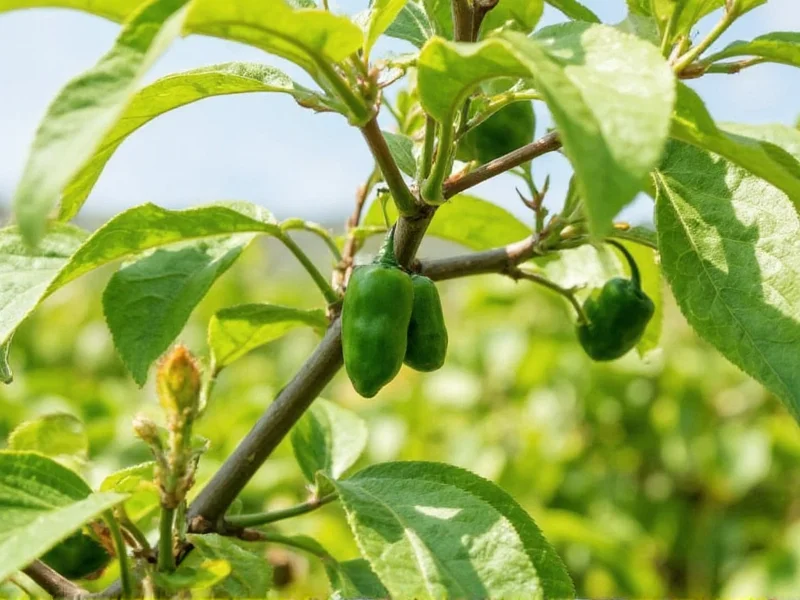
When exploring Mexican cuisine, understanding regional ingredients is crucial. Chile pasilla stands as one of Mexico's “big three” dried chilies alongside ancho and guajillo peppers. Its distinctive flavor profile makes it indispensable in traditional recipes across Oaxacan and central Mexican cooking.
Physical Characteristics of Chile Pasilla
Chile pasilla peppers measure 6–8 inches long with a slender, tapered shape. Fresh chilaca peppers display dark green to nearly black skin, maturing to deep brown when dried. The drying process creates characteristic wrinkles resembling raisins—hence the name “pasilla,” Spanish for “little raisin.” Unlike smoother-skinned dried peppers, pasilla's textured surface helps it absorb flavors during cooking.
Flavor Profile and Heat Level
Chile pasilla offers complex flavor notes of dried fruit, licorice, and subtle smokiness. Its heat registers between 1,000–2,500 Scoville Heat Units (SHU), placing it milder than jalapeños (2,500–8,000 SHU) but with more depth than bell peppers (0 SHU). This moderate heat level allows its nuanced flavors to shine without overwhelming dishes.
| Pepper Type | Scoville Heat Units | Flavor Characteristics |
|---|---|---|
| Chile Pasilla | 1,000–2,500 | Fruity, licorice, earthy, mild smokiness |
| Ancho | 1,000–2,000 | Sweet, raisin-like, tobacco notes |
| Guajillo | 2,500–5,000 | Berry, tea-like, tangy |
Origin and Naming Confusion
Despite common misconceptions, chile pasilla specifically refers to dried chilaca peppers. In Mexico, fresh chilacas become “pasillas” after drying. However, in California and some U.S. markets, “pasilla” sometimes incorrectly labels dried poblanos (which are actually anchos). True pasilla comes exclusively from dried chilacas.
Historical Evolution in Mexican Cuisine
Chile pasilla's culinary significance evolved through distinct historical phases, reflecting Mexico's cultural transformations. Archaeological evidence from the Tehuacán Valley shows chili domestication dating to 6000 BCE, though pasilla specifically emerged as a critical ingredient during colonial-era fusion cuisine. Key milestones include:
- Pre-Hispanic Era (Pre-1521): Indigenous groups like the Zapotecs used fresh chilacas in salsas, but drying techniques were rudimentary
- Colonial Period (1521-1821): Spanish introduction of brick ovens enabled consistent drying, transforming chilacas into pasillas for mole development
- 19th Century: Pasilla became standardized in Oaxacan mole negro recipes, with documented use in convent kitchens by 1838
- Modern Recognition (1980s-Present): Designated a protected ingredient under Mexico's Denomination of Origin for traditional moles
This progression is documented in the Smithsonian National Museum of the American Indian's research on Mesoamerican foodways, which confirms pasilla's irreplaceable role in complex sauces emerged through centuries of culinary refinement. Source: National Museum of the American Indian - Chile Pepper History
Culinary Applications
Chefs prize chile pasilla for its versatility in Mexican cuisine. Traditional uses include:
- Mole negro—Oaxaca's signature sauce combining multiple dried chilies
- Salsas de molcajete—stone mortar-prepared table salsas
- Adobos—marinades for meats and vegetables
- Stews and braises requiring deep, complex chili flavor
For optimal flavor extraction, toast dried pasillas lightly in a dry skillet before rehydrating in hot water. This process enhances their natural sweetness while reducing bitterness.
Chile Pasilla vs. Similar Varieties
Understanding the differences between similar dried chilies prevents recipe failures:
- Pasilla vs. Ancho—Anchos come from dried poblanos, appearing wider and heart-shaped versus pasilla's slender form. Anchos taste sweeter with chocolate notes, while pasillas offer more fruitiness.
- Pasilla vs. Mulato—Mulatos are also dried poblanos but harvested at full ripeness (red), yielding earthier, smokier flavors compared to pasilla's fruit-forward profile.
- Pasilla vs. Negro—“Negro” isn't a separate variety but describes extremely dark, mature pasillas with intensified flavor.
Substitutes When Pasilla Isn't Available
When authentic chile pasilla proves difficult to find, consider these alternatives:
- Ancho peppers—closest substitute with similar heat level and complementary flavor
- Guajillo mixed with a small amount of chipotle—provides comparable heat and smokiness
- Combination of bell pepper and mild cayenne—for basic flavor approximation
Critical Context Boundaries: When Substitution Fails
While substitutions work in many applications, pasilla's unique composition creates irreplaceable outcomes in specific scenarios:
- Authentic Mole Negro (Oaxaca): Pasilla's high concentration of vanillin compounds (absent in anchos) creates the signature raisin-like depth. Substitutes produce unbalanced sweetness per Oaxacan culinary guild standards.
- Long-Simmered Stews (>2 hours): Pasilla's cell structure releases flavor compounds gradually during extended cooking. Anchos break down too quickly, causing bitterness as documented in agricultural studies.
- Traditional Salsas de Molcajete: The pepper's wrinkled texture absorbs stone mortar flavors differently than smooth-skinned varieties. Substitutes yield thinner, less complex salsas.
Texas A&M AgriLife Extension confirms that "pasilla's specific capsaicinoid profile and volatile compound ratios respond uniquely to slow rehydration, making it non-interchangeable in traditional slow-cooked applications." Source: Chile Pepper Production Guide
For traditional mole recipes, substituting equal parts ancho and guajillo often yields acceptable results when pasilla remains unavailable.
Finding and Storing Chile Pasilla
Locate dried chile pasilla in:
- Mexican grocery stores (often sold in bulk)
- Specialty food markets with Latin American sections
- Online retailers specializing in Mexican ingredients
Proper storage maintains quality for up to one year:
- Place in airtight container away from light
- Store in cool, dry pantry location
- Check periodically for moisture or mold
Refrigeration extends shelf life but requires careful moisture control. Discard peppers showing signs of brittleness, mold, or rancid odors.




 浙公网安备
33010002000092号
浙公网安备
33010002000092号 浙B2-20120091-4