
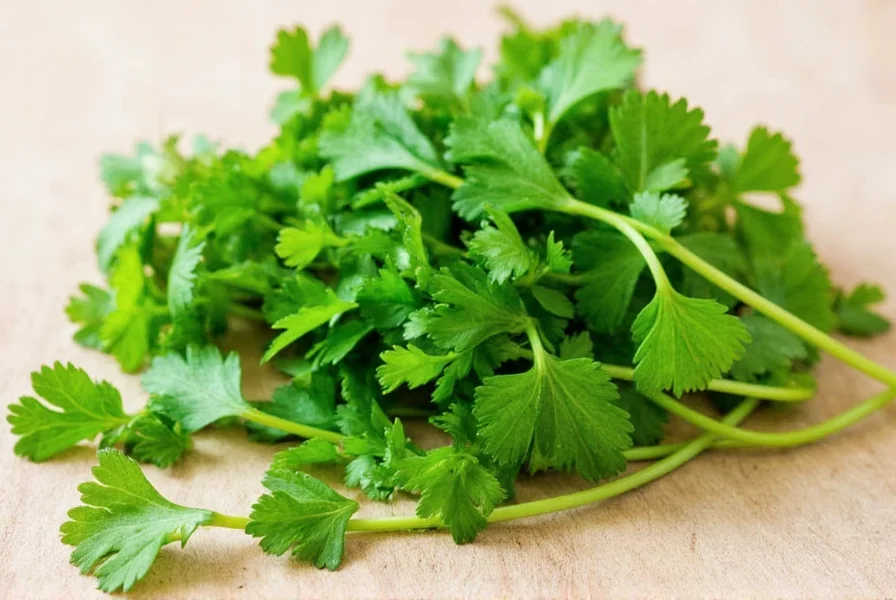
Understanding the various names for coriander is essential for navigating global recipes and botanical discussions. This versatile herb, scientifically known as Coriandrum sativum, goes by multiple names that often confuse home cooks and culinary professionals alike. The naming discrepancy primarily stems from regional linguistic traditions and which part of the plant people are referring to.
Botanical Background of Coriander
Coriander (Coriandrum sativum) belongs to the Apiaceae family, which includes parsley, carrots, and celery. What many don't realize is that different parts of this single plant have distinct names across various English-speaking regions. The fresh leaves and stems are commonly called one name, while the dried seeds go by another.
| Plant Part | Common Name (Americas) | Common Name (UK/Commonwealth) | Other Regional Names |
|---|---|---|---|
| Leaves and Stems | Cilantro | Coriander | Chinese parsley, fresh coriander |
| Dried Seeds | Coriander seeds | Coriander | Dhania (India), kottambari (India) |
| Roots | Coriander root | Coriander root | Used prominently in Thai cuisine |
Regional Naming Differences Explained
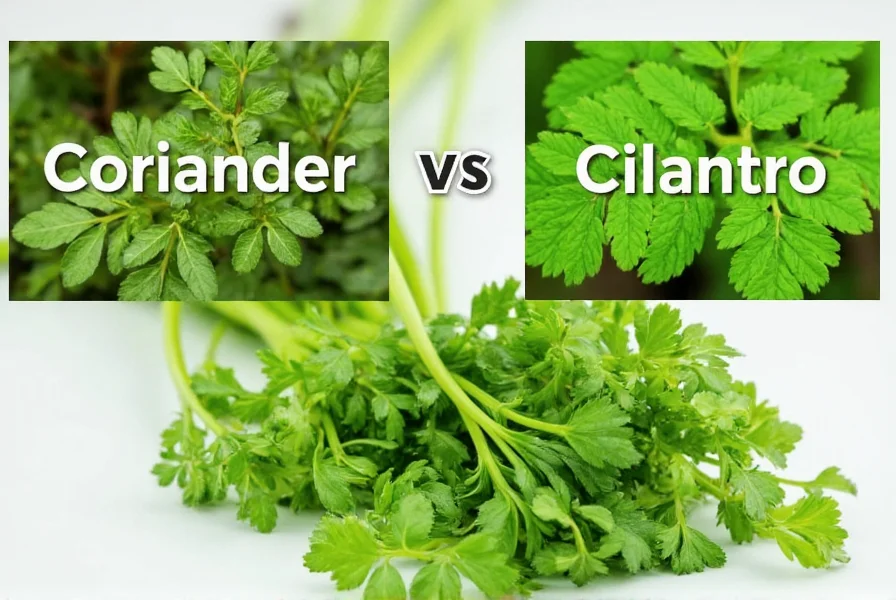
The term "cilantro" comes from the Spanish word for coriander, culantro, though it's important to note that true culantro (Eryngium foetidum) is actually a different plant. In North America, "cilantro" specifically refers to the fresh leaves, while "coriander" denotes the dried seeds. This distinction doesn't exist in British English, where "coriander" refers to both the fresh herb and the seeds, with context determining which is meant.
Understanding why coriander is called cilantro in America requires examining culinary history. When Spanish explorers encountered the plant in the Americas, they named it after the similar-looking culantro in their homeland. Over time, this term evolved into "cilantro" in American English culinary vocabulary.
Global Terminology for Coriander
Travel through international cookbooks, and you'll encounter numerous terms for this herb:
- Dhania - Common term in Indian and Pakistani cuisine for both leaves and seeds
- Chinese parsley - Used in some Western contexts to describe the fresh herb
- Kottambari - Regional name in parts of India
- Coriandre - French term used in Canadian French
- Wan sui - Mandarin Chinese term (芹饺)
When exploring regional names for coriander in recipes, understanding these distinctions prevents culinary mishaps. A British recipe calling for "coriander" likely means the fresh herb, while an American recipe specifying "coriander" probably refers to the ground seeds.
Practical Usage Guide
Knowing what's the difference between coriander and cilantro matters for accurate recipe execution:
- In American supermarkets, look for "cilantro" in the fresh herb section and "coriander" in the spice aisle
- When following British or Australian recipes, "coriander" means the fresh herb unless specified as "coriander seeds"
- Indian recipes often use "dhania" for the fresh herb and "coriander" for the seeds
- Culinary professionals increasingly specify "fresh coriander" or "coriander seeds" to avoid confusion
The confusion around coriander vs cilantro difference extends beyond terminology to flavor profiles. Fresh cilantro has a bright, citrusy flavor that some describe as soapy (due to a genetic predisposition), while coriander seeds offer warm, citrusy notes with a hint of spice when toasted.
Historical Context of Coriander Naming
The word "coriander" traces back to the Greek "koris" (bug), likely referencing the plant's pungent smell when crushed. The term evolved through Latin (coriandrum) and Old French (coriandre) before entering English. "Cilantro" emerged from the Spanish adaptation of the same linguistic root.
Historically, coriander has been used for over 7,000 years, with seeds found in ancient Egyptian tombs. This long history explains why so many cultures developed their own terms for this versatile plant. When researching coriander plant alternative names, understanding this historical context helps explain regional variations.
Common Misconceptions Clarified
Many believe cilantro and coriander are different plants, but they come from the same source. The confusion stems entirely from regional naming conventions. Another misconception is that "coriander" always refers to the seeds - in most of the English-speaking world outside North America, it refers to the fresh herb.
When searching for what is another name for coriander, remember that context matters. In botanical contexts, "coriander" always refers to Coriandrum sativum regardless of which part is discussed. In culinary contexts, the meaning shifts based on regional usage.




 浙公网安备
33010002000092号
浙公网安备
33010002000092号 浙B2-20120091-4