
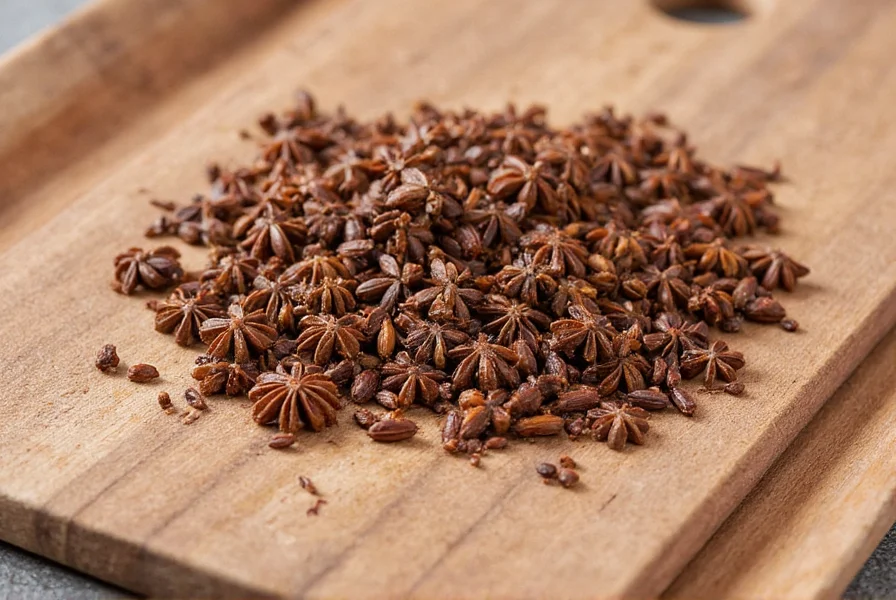
Star anise, with its distinctive licorice-like flavor, is a staple in many Asian cuisines and baking recipes. When you find yourself without this unique spice, knowing effective alternatives can save your dish. Whether you're making pho, braised meats, or holiday cookies, the right substitute maintains flavor integrity while working with what's available in your pantry.
Understanding Star Anise and Substitution Needs
Star anise (Illicium verum) comes from a star-shaped fruit native to China and Vietnam. Its primary flavor compound, anethole, gives it that characteristic licorice taste. When seeking a star anise substitute, you're essentially looking for ingredients containing similar flavor compounds that can mimic its unique profile in your specific recipe.
Substitution needs vary significantly based on your application. A star anise alternative for pho requires different considerations than one for baking or mulled wine. Understanding these contexts ensures your substitute enhances rather than detracts from your dish.
Top Star Anise Substitutes Ranked by Effectiveness
| Substitute | Flavor Profile | Replacement Ratio | Best For |
|---|---|---|---|
| Chinese Five-Spice Powder | Complex blend with star anise as primary component | 1.5 tsp per 1 star | Asian savory dishes, marinades |
| Anise Seeds | Pure licorice flavor, slightly more intense | 1 tsp per 1 star | Baking, syrups, sweet applications |
| Fennel Seeds | Milder licorice, herbal notes | 1.5 tsp per 1 star | Vegetable dishes, light broths |
| Licorice Root | Strong licorice, earthy undertones | 1/2 tsp powdered per 1 star | Teas, medicinal applications |
| Allspice | Clove-cinnamon-nutmeg blend | 3/4 tsp per 1 star | Western baking, mulled beverages |
Detailed Substitute Analysis
Chinese Five-Spice Powder: The Closest Overall Replacement
When searching for a star anise substitute in Chinese cooking, Chinese five-spice powder offers the most authentic alternative. This blend typically contains star anise as its primary component (about 40%), along with cloves, cinnamon, Sichuan pepper, and fennel seeds.
Usage tip: For pho broth or other Asian soups requiring star anise, use 1.5 teaspoons of five-spice powder per whole star. Remember that this substitute adds additional flavors, so you may want to reduce other spices accordingly. This works particularly well as a star anise alternative for pho where complexity matters.
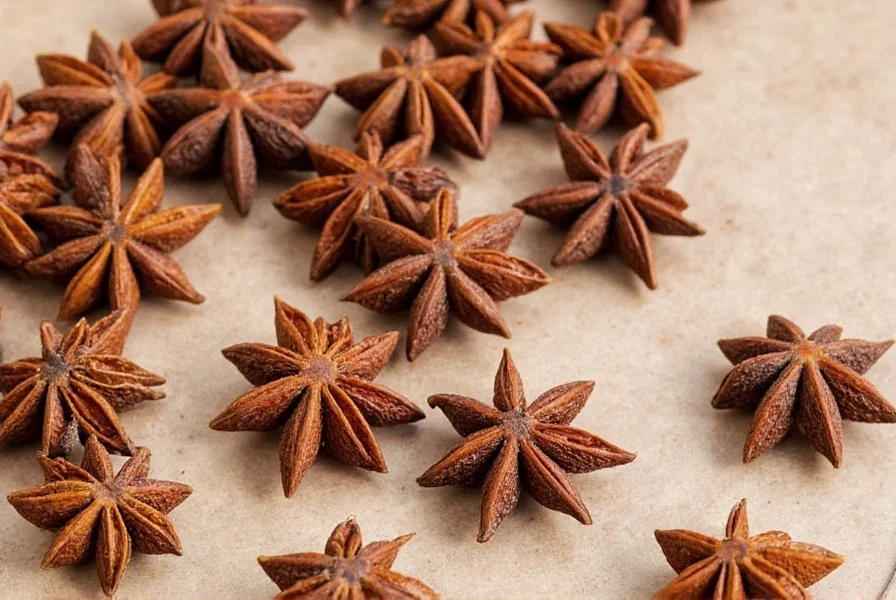
Anise Seeds: Best for Baking Applications
Anise seeds come from a different plant (Pimpinella anisum) but share the same primary flavor compound (anethole) as star anise. They deliver a more concentrated licorice flavor without the woody notes of star anise.
For baking applications where you need a star anise substitute in baking, use 1 teaspoon of crushed anise seeds per whole star. In cookie recipes or fruit compotes, anise extract (1/4 teaspoon) provides even more precise flavor control. This substitute works particularly well in pizzelle, biscotti, and other traditional European baked goods.
Fennel Seeds: The Milder Alternative
Fennel seeds offer a gentler licorice flavor with additional herbal notes. They work best when you need a subtle star anise replacement that won't dominate the dish.
Use 1.5 teaspoons of crushed fennel seeds per whole star anise. This substitute shines in vegetable dishes, light broths, and seafood preparations where overpowering licorice notes would be undesirable. For those seeking a less intense star anise alternative for delicate recipes, fennel provides excellent balance.
Specialized Substitution Scenarios
Star Anise Substitute for Pho
Authentic pho relies heavily on star anise for its distinctive flavor profile. When creating a star anise replacement for pho, combine:
- 1 whole cinnamon stick (instead of 2 stars)
- 4 whole cloves (instead of 2 stars)
- 1 teaspoon fennel seeds (instead of 2 stars)
This combination mimics the complex flavor profile of star anise in traditional Vietnamese broth while maintaining authenticity.
Star Anise Substitute in Baking
For sweet applications requiring a star anise substitute in baking, anise extract provides the most controlled flavor delivery. Use 1/4 teaspoon of anise extract per whole star anise called for in the recipe. This works particularly well in:
- Fruit pies and tarts
- Cake batters
- Custards and puddings
- Cookie doughs
What NOT to Do When Substituting
Avoid these common mistakes when seeking a star anise alternative:
- Don't use artificial licorice flavor - it creates an overwhelming medicinal taste
- Don't substitute equal amounts of stronger spices - anise seed is more potent than star anise
- Don't add multiple substitutes simultaneously - this creates flavor confusion
- Don't skip toasting seeds - always toast fennel or anise seeds before use for optimal flavor release
Practical Application: Recipe Adjustments
When modifying recipes with your star anise replacement ratio, remember that whole star anise imparts flavor gradually during cooking, while ground substitutes work faster. For long-simmered dishes like braises or stews, add ground substitutes halfway through cooking rather than at the beginning.
For baking applications requiring precise star anise substitute measurements, test with half the recommended amount first, then adjust to taste. Remember that flavors intensify as baked goods cool, so what seems subtle when warm may become pronounced when cooled.
Conclusion
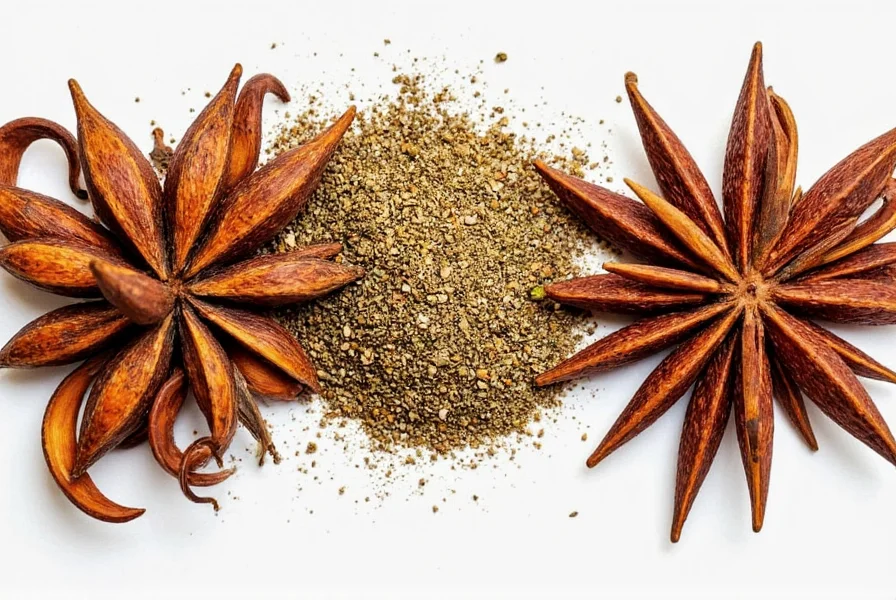
Finding the right star anise substitute depends entirely on your specific recipe and desired flavor profile. The best approach combines understanding of flavor chemistry with practical cooking experience. By matching your substitute to the dish's requirements rather than using a one-size-fits-all approach, you'll maintain recipe integrity even without this distinctive spice. Remember that thoughtful substitution demonstrates culinary skill, turning potential recipe disasters into successful adaptations.
Frequently Asked Questions
Can I use regular anise instead of star anise?
Yes, anise seeds make an excellent star anise substitute with a 1:1 teaspoon-to-star ratio. Crush the seeds before use for better flavor release. Note that anise seeds have a slightly more intense licorice flavor than star anise, so you may want to use 3/4 teaspoon instead of a full teaspoon for delicate recipes.
What's the best star anise substitute for pho?
For pho broth, combine 1 cinnamon stick, 4 whole cloves, and 1 teaspoon fennel seeds to replace 2 whole star anise. This combination mimics star anise's complex flavor profile in traditional Vietnamese broth. Chinese five-spice powder (1.5 tsp per star) also works well as a single-ingredient alternative.
How much anise extract equals one star anise?
Use 1/4 teaspoon of anise extract to replace one whole star anise in baking recipes. Anise extract is highly concentrated, so start with half this amount in delicate recipes and adjust to taste. This works particularly well as a star anise substitute in baking where precise flavor control matters.
Can I skip star anise in a recipe?
Skipping star anise entirely works only in recipes where it's a minor component. In dishes where star anise is central (like pho or Chinese five-spice applications), omitting it significantly alters the flavor profile. When you need a star anise alternative for essential recipes, use one of the substitutes discussed rather than skipping it completely.
Is star anise the same as anise seed?
No, star anise and anise seeds come from different plants but share the flavor compound anethole. Star anise (Illicium verum) has a more complex, woody flavor with subtle notes of cinnamon and cloves, while anise seeds (Pimpinella anisum) deliver a purer, more intense licorice flavor. When using anise seeds as a star anise substitute, use slightly less to avoid overpowering your dish.




 浙公网安备
33010002000092号
浙公网安备
33010002000092号 浙B2-20120091-4