
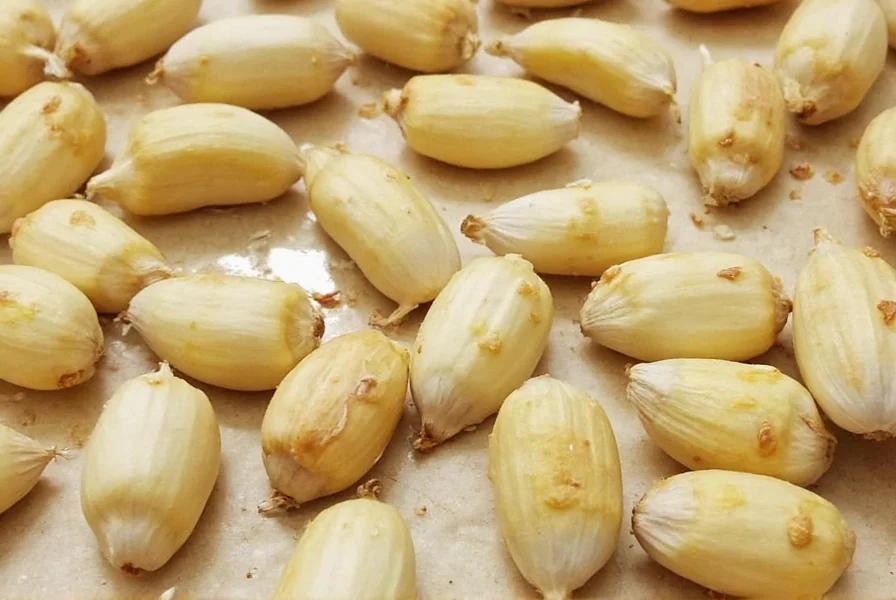
Roasting garlic cloves unlocks a completely different flavor profile from their raw counterparts. While raw garlic delivers that characteristic pungent bite, properly roasted garlic develops a rich, caramelized sweetness with nutty undertones that enhances countless recipes without overwhelming other ingredients. This transformation occurs through the Maillard reaction and caramelization of natural sugars when exposed to dry heat.
Why Roast Individual Garlic Cloves Instead of Whole Heads?
While roasting entire garlic heads creates that popular soft, spreadable paste, roasting individual cloves offers distinct advantages for specific culinary applications. When learning how to roast individual garlic cloves, you gain precise control over texture and doneness. Separated cloves roast more evenly and quickly than whole heads, making them ideal for dishes where you want distinct garlic pieces rather than a paste-like consistency.
Benefits of Properly Roasted Garlic Cloves
Mastering the technique of roasting garlic cloves in the oven delivers multiple culinary benefits:
- Flavor transformation - Converts sharp, spicy raw garlic into sweet, mellow, complex-flavored morsels
- Texture versatility - Creates tender cloves that can be mashed, left whole, or sliced depending on your recipe needs
- Digestive benefits - Roasting reduces allicin content, making garlic gentler on sensitive stomachs
- Extended shelf life - Properly stored roasted cloves last significantly longer than raw garlic
- Recipe flexibility - Works equally well in Mediterranean, Asian, and fusion cuisines
Step-by-Step Guide to Perfect Roasted Garlic Cloves
Follow these detailed instructions for how to roast garlic cloves perfectly every time. This method ensures consistent results whether you're preparing garlic for immediate use or future recipes.
- Peel the cloves - Separate garlic head into individual cloves, then remove skins. For easier peeling, place cloves on a cutting board and gently press with the flat side of a knife to loosen skins.
- Prepare the garlic - Toss peeled cloves in a bowl with 1-2 tablespoons of high-quality olive oil, 1/4 teaspoon salt, and optional seasonings like fresh thyme, rosemary, or a pinch of red pepper flakes.
- Arrange for roasting - Spread cloves in a single layer on a parchment-lined baking sheet. Avoid crowding to ensure even roasting.
- Roast at proper temperature - Bake at 400°F (200°C) for 15-20 minutes. The best temperature for roasting garlic cloves is crucial—too low and they won't caramelize properly; too high and they'll burn before softening.
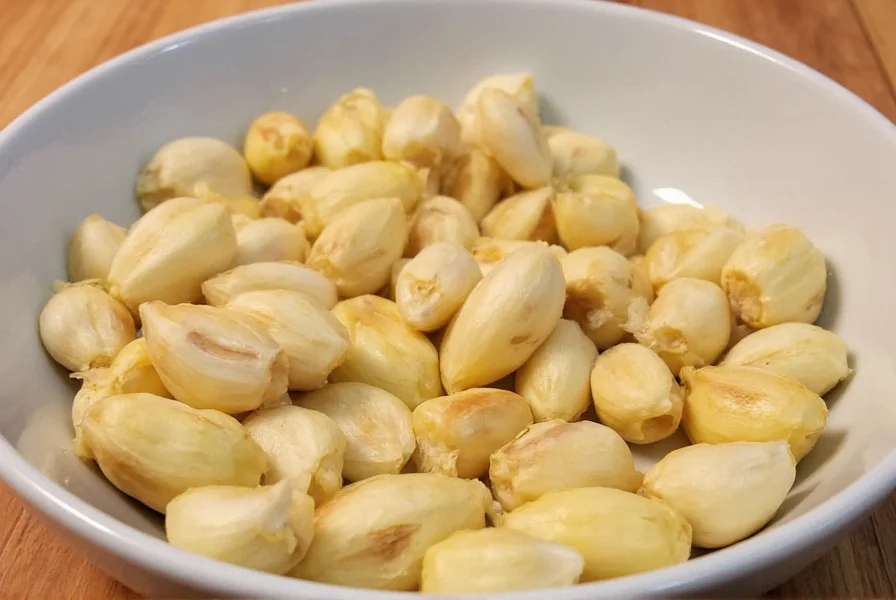
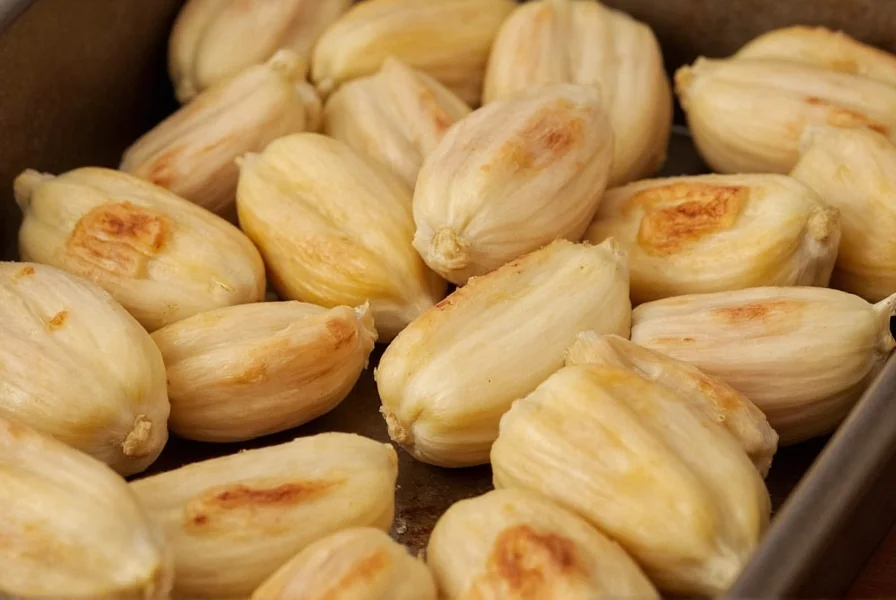
- Check for doneness - Cloves are ready when golden brown, easily pierced with a fork, and feel soft when gently squeezed. They should have a sweet aroma without any bitterness.
| Roasting Method | Temperature | Time | Best For |
|---|---|---|---|
| Oven roasting | 400°F (200°C) | 15-20 minutes | Most versatile method, ideal for multiple cloves |
| Air fryer | 375°F (190°C) | 10-12 minutes | Quick preparation, crispier edges |
| Stovetop | Medium heat | 8-10 minutes | Small batches, immediate use |
Alternative Roasting Techniques
While oven roasting delivers the most consistent results for roasting multiple garlic cloves, several alternative methods work well depending on your equipment and time constraints:
Air Fryer Method
For those wondering how to roast garlic cloves in an air fryer, preheat to 375°F (190°C), toss cloves with oil and salt, and cook for 10-12 minutes, shaking the basket halfway through. This method produces slightly crispier edges while maintaining a tender interior.
Stovetop Roasting
To roast garlic cloves without an oven, use a dry skillet over medium heat. Add oiled cloves and cook 8-10 minutes, stirring frequently until golden and tender. This quick method works best for small quantities needed immediately.
Storage and Usage Tips for Roasted Garlic Cloves
Understanding proper roasted garlic storage methods ensures you maximize the shelf life and flavor of your roasted cloves:
- Refrigeration - Store cooled roasted cloves in an airtight container with a thin layer of olive oil for up to 10 days
- Freezing - Place cooled cloves in a single layer on a baking sheet, freeze until solid, then transfer to freezer bags for up to 6 months
- Oil preservation - Submerge cloves completely in olive oil and refrigerate for up to 4 days (never store longer at room temperature due to botulism risk)
When incorporating roasted garlic into recipes, consider these professional tips for using roasted garlic cloves in cooking:
- Mash roasted cloves into softened butter for gourmet garlic bread
- Add whole roasted cloves to pasta dishes during the last minute of cooking
- Blend into salad dressings for subtle garlic flavor without raw bite
- Stir into mashed potatoes or roasted vegetable dishes for enhanced flavor
- Use as pizza topping instead of raw garlic for more complex flavor
Troubleshooting Common Roasting Issues
Even with careful preparation, you might encounter these common problems when roasting individual garlic cloves:
Problem: Garlic Burns Before Softening
Solution: Reduce oven temperature to 375°F (190°C) and increase roasting time slightly. Smaller cloves cook faster than larger ones, so consider separating by size or adding smaller cloves later in the process.
Problem: Garlic Remains Hard After Recommended Time
Solution: Older garlic tends to be drier and may require additional time. Check cloves every 2-3 minutes until tender. Alternatively, toss cloves with a teaspoon of water before roasting to create gentle steam.
Problem: Uneven Roasting
Solution: Ensure cloves are in a single layer with space between them. Rotate the baking sheet halfway through cooking, and consider flipping cloves gently for even browning.
Maximizing Flavor Through Proper Technique
The secret to exceptional roasted garlic lies in understanding the science behind roasting garlic cloves. As garlic heats, the enzyme alliinase (responsible for raw garlic's pungency) breaks down, while natural fructose caramelizes. This dual process creates the complex sweet-nutty flavor profile that makes roasted garlic so desirable.
For restaurant-quality results at home, try these professional techniques for enhancing roasted garlic flavor:
- Add a pinch of sugar to the oil mixture to accelerate caramelization
- Include citrus zest (lemon or orange) for bright flavor notes that complement the sweetness
- Finish with a splash of balsamic vinegar after roasting for added complexity
- Roast with shallots or pearl onions for complementary flavors
Remember that freshness matters when selecting garlic for roasting. Choose firm, plump cloves without green sprouts or soft spots for the best results when roasting garlic cloves. Older garlic may have a stronger, sometimes bitter flavor that doesn't caramelize as pleasantly.
Frequently Asked Questions
How long do roasted garlic cloves last in the refrigerator?
Properly stored roasted garlic cloves will maintain their best quality for 7-10 days in the refrigerator. Store them in an airtight container completely submerged in olive oil to prevent drying and preserve flavor. Always use clean utensils when handling to prevent contamination.
Can you roast garlic cloves without oil?
Yes, you can roast garlic cloves without oil, but the results will differ. Oil helps conduct heat evenly and contributes to the caramelization process. Without oil, cloves may dry out or roast unevenly. For oil-free roasting, wrap cloves in parchment paper with a teaspoon of water to create gentle steam, or use a non-stick baking mat.
Why do my roasted garlic cloves taste bitter?
Bitter roasted garlic typically results from overcooking or excessive heat. Garlic contains compounds that become bitter when exposed to high temperatures for too long. To prevent bitterness, roast at 400°F (200°C) for no more than 20 minutes, and remove cloves as soon as they're tender and golden (not dark brown). Smaller cloves may need just 12-15 minutes.
What's the difference between roasted garlic cloves and caramelized garlic?
Roasted garlic cloves are typically cooked dry in an oven until tender throughout, while caramelized garlic usually refers to sliced or minced garlic cooked in a pan with oil until the edges turn golden brown. Roasting creates uniformly tender cloves with mellow flavor, while caramelizing produces more intense, complex flavors with varying textures from crispy edges to soft centers.
Can I use roasted garlic cloves in place of raw garlic in recipes?
Yes, but with adjustments. Roasted garlic has a much milder, sweeter flavor than raw garlic, so you'll typically need 2-3 times the amount to achieve similar garlic presence. Additionally, roasted garlic won't provide the same antimicrobial properties as raw garlic. For best results, add roasted garlic near the end of cooking rather than at the beginning like raw garlic.




 浙公网安备
33010002000092号
浙公网安备
33010002000092号 浙B2-20120091-4