
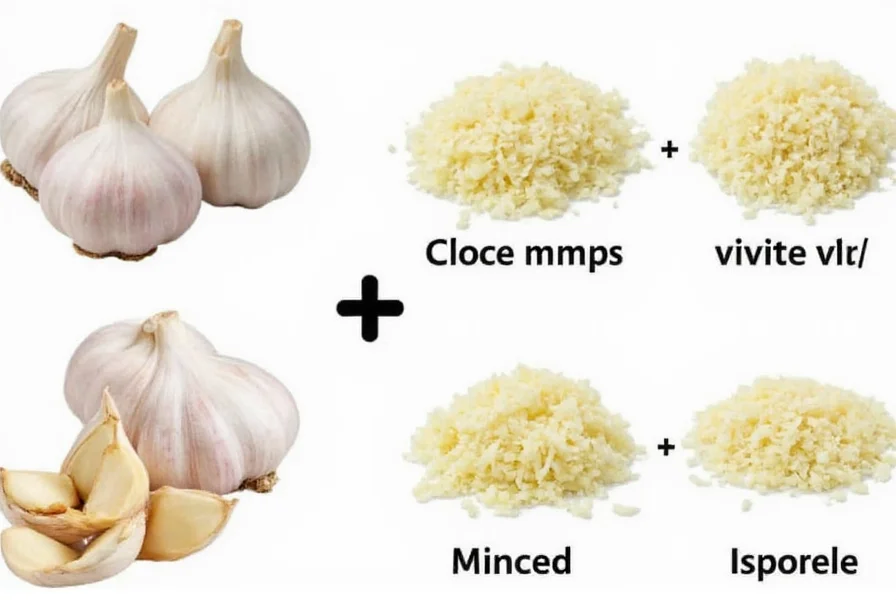
Understanding garlic measurements is crucial for achieving perfect flavor balance in your dishes. When recipes call for specific numbers of garlic cloves but you're working with pre-minced garlic (or vice versa), knowing the precise conversion prevents under or overpowering your meals.
Garlic Measurement Fundamentals
Garlic cloves vary in size, which affects conversion accuracy. Standard medium-sized garlic cloves provide the most reliable measurements for cooking. Larger cloves yield more minced garlic, while smaller ones produce less. For consistent results in recipe development and execution, understanding these variations matters.
Precise Garlic Conversion Chart
| Garlic Form | Equivalent Measurement | Flavor Intensity Notes |
|---|---|---|
| 1 medium garlic clove | ¼ to ½ tablespoon minced | Fresh, pungent flavor |
| 4 medium garlic cloves | 1½ to 2 tablespoons minced | Standard for most savory dishes |
| 1 teaspoon jarred minced garlic | ¼ clove fresh garlic | Milder flavor, slightly different profile |
| 1 tablespoon jarred minced garlic | 1 clove fresh garlic | Convenient but less vibrant flavor |
Factors Affecting Garlic Measurements
Several elements influence the 4 cloves garlic to minced conversion accuracy:
- Clove size variation - Garlic bulbs contain cloves of different sizes
- Minced texture - Finely minced versus roughly chopped affects volume
- Packing density - How tightly you pack measuring spoons changes amounts
- Moisture content - Fresh garlic contains more moisture than jarred versions
Practical Application in Cooking
When substituting minced garlic for fresh cloves in recipes, consider these professional kitchen tips:
For the 4 cloves garlic to minced conversion, use 1½ tablespoons as your baseline measurement. If using jarred minced garlic, reduce by 25% since it contains preservatives and has slightly less intense flavor. Always add garlic gradually, tasting as you go, especially when adapting recipes.
Chefs recommend freshly mincing garlic whenever possible for superior flavor. The enzymatic reaction that occurs when garlic is cut releases more complex flavor compounds than pre-minced alternatives. For the most accurate garlic clove to minced conversion, measure after mincing rather than estimating before preparation.
Storage Impact on Measurements
Garlic's moisture content changes with storage method, affecting the 4 cloves garlic to tablespoons conversion:
- Freshly harvested garlic contains more moisture (use full conversion)
- Dry-stored garlic (2+ months) loses moisture (may need slightly more volume)
- Refrigerated jarred garlic contains preservatives (use 25% less than fresh)
- Freeze-dried garlic requires rehydration (follow package instructions)
When Precision Matters Most
Certain dishes require exact garlic measurement conversion for optimal results:
- Raw applications like salad dressings and aioli
- Delicate sauces where garlic flavor dominates
- Preserving recipes where garlic quantity affects safety
- Professional recipe development and testing
For everyday cooking, the standard 4 cloves garlic equals how much minced conversion provides excellent results. When in doubt, start with less garlic—you can always add more, but you can't remove it once incorporated.
Expert Tips for Garlic Measurement
Professional chefs use these techniques for accurate garlic to minced conversion:
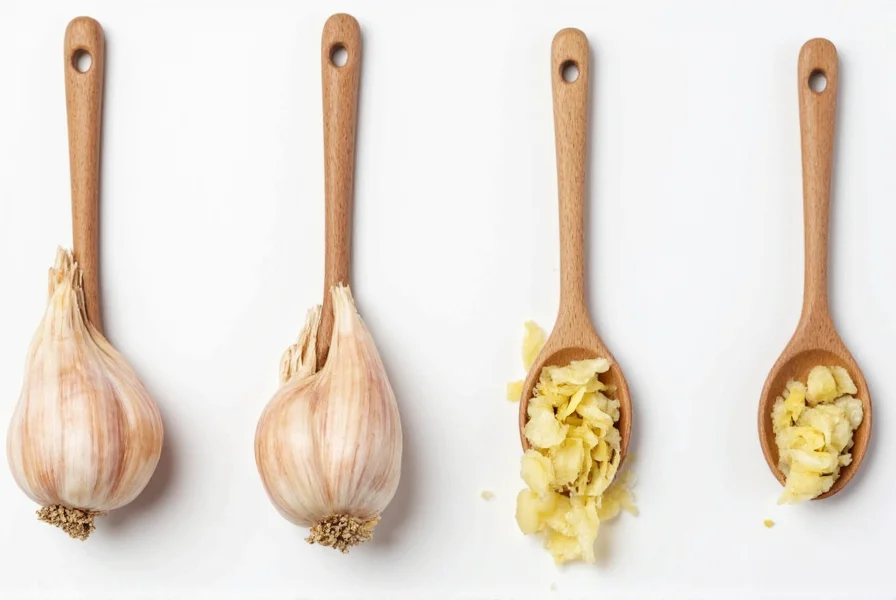
- Use a microplane for ultra-fine mincing that packs consistently
- Measure minced garlic by gently filling spoon without packing
- For critical recipes, weigh garlic (4 medium cloves ≈ 12-16g)
- Consider garlic age—older bulbs yield slightly less volume
- When substituting jarred for fresh, add a pinch of salt to enhance flavor
Common Substitution Mistakes to Avoid
Many home cooks make these errors with garlic clove to minced conversion:
- Using heaping tablespoons instead of level measurements
- Not accounting for jarred garlic's reduced potency
- Measuring whole cloves before mincing (inaccurate)
- Ignoring recipe context (raw vs. cooked applications)
- Using garlic powder equivalents without proper conversion
Remember that the ideal 4 cloves garlic to minced measurement depends on your specific recipe requirements and personal taste preferences. Culinary experts suggest developing your palate by experimenting with different garlic quantities to understand flavor thresholds.




 浙公网安备
33010002000092号
浙公网安备
33010002000092号 浙B2-20120091-4