
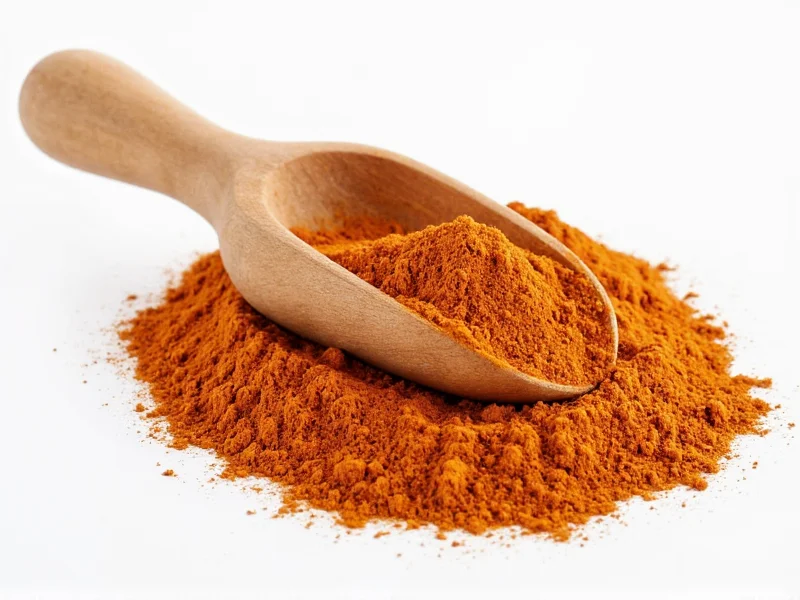
Understanding Prague Powder #1 and Its Importance
Prague Powder #1, also known as pink curing salt or tinted curing mixture (TCM), is an essential ingredient for safely curing meats at home. This specialized curing compound contains 6.25% sodium nitrite mixed with 93.75% sodium chloride (table salt) and a small amount of pink dye. The distinctive color prevents accidental confusion with regular salt, which is critical since pure sodium nitrite can be toxic when misused.
Unlike regular salt, Prague Powder #1 serves multiple vital functions in the curing process: it prevents botulism growth, fixes the pink color in cured meats, and contributes to the characteristic flavor of products like bacon, ham, and corned beef. Proper usage is essential—typically just 1 level teaspoon per 5 pounds of meat—making accurate sourcing particularly important for home food preservation enthusiasts.
Where to Purchase Authentic Prague Powder #1
Finding legitimate Prague Powder #1 requires knowing which retailers specialize in food preservation supplies. Unlike common grocery items, this specialized curing agent isn't typically available at standard supermarkets due to its precise formulation requirements and safety considerations.
Online Specialty Retailers
Reputable online sources represent the most accessible option for most home curers. Where to buy Prague powder 1 online includes established food preservation retailers that maintain proper inventory controls. Look for merchants who clearly specify the product contains 6.25% sodium nitrite and list all ingredients. Many specialty sausage-making websites offer Prague Powder #1 alongside other curing supplies, often with detailed usage instructions.
When searching for Prague powder #1 for sale, verify the retailer provides proper storage information and usage guidelines. Established home brewing supply stores frequently carry curing salts as they serve overlapping customer bases interested in food preservation techniques.
Physical Retail Locations
For those preferring to purchase in person, several brick-and-mortar options exist. Butcher supply stores typically stock Prague Powder #1 as professional meat processors use it regularly. Some specialty food stores focusing on charcuterie or European food products may carry it, particularly in regions with strong traditions of cured meats.
Local butcher shops represent another potential source, though availability varies. It's advisable to call ahead rather than making a special trip. Hardware stores and general retailers do not typically carry authentic Prague Powder #1, despite occasional misinformation online.
| Source Type | Availability | Verification Tips |
|---|---|---|
| Online specialty food retailers | Widely available | Check ingredient list, customer reviews, and company history |
| Butcher supply stores | Common in metropolitan areas | Ask for food-grade curing salt with proper labeling |
| Home brewing supply stores | Variable availability | Confirm it's specifically Prague Powder #1 (not #2) |
| Local butcher shops | Occasional availability | Verify concentration and check expiration dates |
Verifying Authentic Prague Powder #1
When determining reliable sources for Prague powder 1, product verification is crucial. Counterfeit or improperly formulated curing salts pose serious health risks. Authentic Prague Powder #1 will always contain:
- 6.25% sodium nitrite
- 93.75% sodium chloride
- A pink coloring agent (typically amaranth or erythrosine)
Avoid products labeled simply as "curing salt" without specifying the concentration. Some international products may use different naming conventions, but the sodium nitrite percentage remains the critical factor. In the United States, authentic products will typically reference the USDA formulation standards.
When learning how to identify authentic Prague powder 1, check for proper packaging with clear ingredient listing, manufacturer information, and expiration dates. Reputable sellers provide usage instructions and safety information, recognizing the potential dangers of improper use.
Safety Considerations and Proper Usage
Prague Powder #1 requires careful handling due to its sodium nitrite content. Never substitute regular salt for Prague Powder #1 or vice versa. The pink color exists specifically to prevent accidental misuse. Always measure precisely using dedicated measuring spoons—never eyeball quantities.
Store Prague Powder #1 in its original container with clear labeling, away from children and regular cooking ingredients. Keep it in a cool, dry place, and check expiration dates before use. Properly stored, it maintains effectiveness for 1-2 years.
Understanding Prague powder 1 safety information is non-negotiable for home curers. Never use more than the recommended amount (typically 1 teaspoon per 5 pounds of meat), as excessive sodium nitrite can be harmful. When used correctly according to established recipes, however, it provides essential protection against dangerous bacteria during the curing process.
Prague Powder #1 vs. Prague Powder #2
Many beginners confuse Prague Powder #1 with Prague Powder #2, but they serve different purposes. Prague Powder #1 contains only sodium nitrite and is used for short-term cures (up to 14 days) like bacon and corned beef. Prague Powder #2 contains both sodium nitrite and sodium nitrate, designed for long-term dry cures like salami that require extended curing periods.
Using the wrong type can compromise food safety—never substitute one for the other without adjusting the recipe accordingly. When searching for the best places to purchase curing salt, ensure you're selecting the correct formulation for your specific curing project.
Historical Evolution of Curing Salt Standards
The development of standardized curing salts like Prague Powder #1 reflects critical advancements in food safety regulation. Key milestones demonstrate why the 6.25% formulation became the industry standard:
- Pre-1925: Curing relied on saltpeter (potassium nitrate), which bacteria slowly convert to nitrite. This method was inconsistent, leading to both under-cured (botulism risk) and over-cured (nitrite poisoning) products.
- 1925: The U.S. Department of Agriculture formally approved sodium nitrite as a curing agent, establishing the first federal safety standards (USDA FSIS, Meat Curing Guidelines).
- 1964: The FDA mandated pink dye in sodium nitrite mixtures (21 CFR §172.175) after multiple accidental poisoning incidents, directly leading to the "Prague Powder" naming convention.
- Current Standards: USDA regulations now strictly limit sodium nitrite to 200 ppm in most cured meats and 120 ppm in bacon—precisely achievable using 1 teaspoon of 6.25% Prague Powder #1 per 5 pounds of meat (USDA FSIS, 2023).
This regulatory progression explains why authentic Prague Powder #1 must contain exactly 6.25% sodium nitrite—it's engineered to deliver safe nitrite levels within century-old safety frameworks.
Contextual Boundaries: Critical Usage Limitations
Prague Powder #1's safety depends on strict adherence to contextual boundaries. Ignoring these conditions creates significant risks even with authentic product:
- Time Constraints: Valid only for cures ≤14 days (bacon, corned beef). Prague Powder #2 is mandatory for extended dry cures (salami, country hams) where sodium nitrate's slow conversion to nitrite is required (USDA FSIS, Curing Guidelines).
- Temperature Thresholds: Must be applied and stored below 40°F (4°C) during initial curing. Temperatures >50°F accelerate pathogen growth before nitrite becomes effective, creating botulism risks (National Center for Home Food Preservation, Curing Meats Safely).
- Meat Type Restrictions: Approved exclusively for pork, beef, and game meats. Prohibited for poultry curing in home settings due to Clostridium perfringens risks (USDA Meat and Poultry Hotline, Curing Salt FAQ).
- Concentration Sensitivity: The 1 tsp per 5 lb ratio assumes standard meat density. Lean game meats (venison, elk) require 20% reduction to avoid nitrite toxicity from lower fat content (USDA FSIS, Curing Guidelines).
These evidence-based boundaries—verified through decades of regulatory science—are non-negotiable for safe home curing.




 浙公网安备
33010002000092号
浙公网安备
33010002000092号 浙B2-20120091-4