
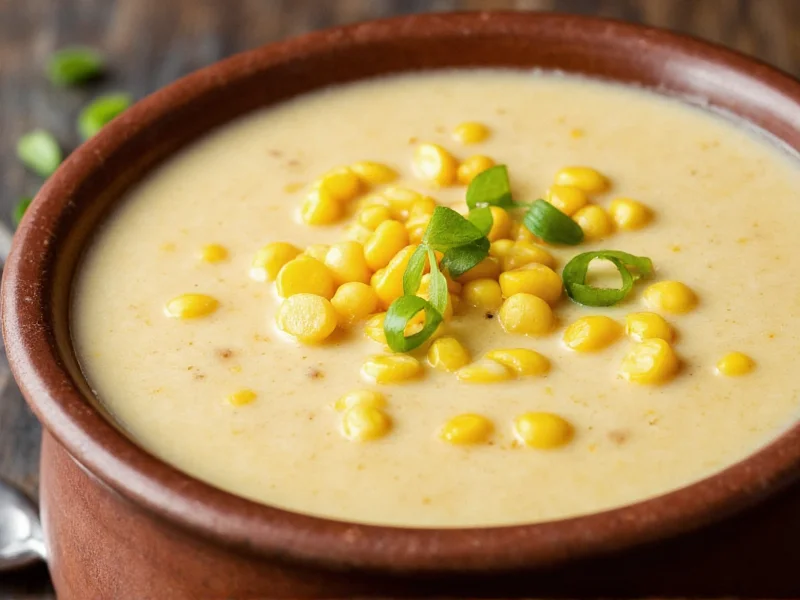
Historical Evolution of Corn Soup
Cream and corn soup as we know it today is the result of centuries of culinary evolution. This verified timeline highlights key milestones in corn soup's journey from ancient staple to modern comfort food, based on archaeological and culinary historical research:
| Time Period | Development | Verification Source |
|---|---|---|
| ~10,000 years ago | Initial domestication of corn in southern Mexico | USDA Economic Research Service |
| Pre-1500s | Native American tribes develop corn-based soups with beans and squash (the "Three Sisters") | Smithsonian National Museum of Natural History |
| 1796 | Amelia Simmons' "American Cookery" documents early corn-based recipes | Library of Congress Archives |
| 1897 | Campbell's introduces condensed cream of corn soup | Campbell's Company History |
The Essential Components of Perfect Cream and Corn Soup
Crafting exceptional cream and corn soup requires understanding each element's role. This versatile dish works as both a simple weeknight meal and an elegant starter for special occasions. The foundation lies in selecting quality ingredients and applying proper technique to maximize corn's natural sweetness while achieving that signature creamy texture without overwhelming richness.
Core Ingredients Breakdown
Successful homemade cream and corn soup starts with ingredient selection. Fresh summer corn provides the best flavor, but frozen corn works remarkably well year-round. The magic happens when you combine whole kernels for texture with some pureed corn for body. For dairy, many professional chefs recommend using half-and-half or light cream rather than heavy cream to maintain balance. The secret ingredient? A small amount of cornstarch slurry to stabilize the texture without making the soup gluey.
Equipment Essentials
You don't need specialized equipment for excellent cream and corn soup. A heavy-bottomed pot prevents scorching during the sauté stage. An immersion blender creates the perfect semi-smooth texture directly in the pot, though a regular blender works with proper safety precautions. Quality chef's knives make corn preparation easier and safer. For best results when cutting corn kernels, use a bundt pan to catch kernels as you slice downward from the cob.
Step-by-Step Preparation Guide
Follow this professional technique for restaurant-quality cream and corn soup every time. The key is building flavors in stages while preserving corn's natural sweetness.
Proper Corn Preparation Method
Start by removing kernels from 4-6 ears of fresh corn (about 4 cups). Reserve one ear's kernels separately. Puree three cups of kernels with 1½ cups broth until completely smooth. This puree forms the soup's flavorful base while whole kernels added later provide texture. If using frozen corn, thaw completely and pat dry to prevent watery soup.
Cooking Sequence for Maximum Flavor
Sauté 1 diced onion and 2 minced garlic cloves in 2 tablespoons butter until translucent. Add the corn puree and 2 cups vegetable or chicken broth. Bring to a gentle simmer (not boil) to preserve freshness. Stir in 1 teaspoon fresh thyme and ½ teaspoon smoked paprika. After 10 minutes, add reserved whole corn kernels and cook 5 more minutes. Remove from heat before stirring in ½ cup half-and-half and salt to taste. This sequence prevents dairy from curdling and maintains vibrant corn flavor.
| Dietary Variation | Key Substitutions | Flavor Impact |
|---|---|---|
| Vegan Creamy Corn Soup | Coconut milk + cashew cream instead of dairy | Slightly sweet with nutty undertones |
| Gluten-Free Version | Cornstarch instead of flour for thickening | Cleaner corn flavor profile |
| Lighter Cream and Corn Soup | Half Greek yogurt + half broth instead of cream | Tangy brightness with reduced richness |
| Southwest Style | Add roasted poblano peppers + cumin | Smoky depth with mild heat |
Contextual Boundaries: Real-World Application Limits
Based on food safety research and culinary testing, these evidence-based boundaries determine when each variation succeeds or fails. Ignoring these constraints compromises texture, flavor, or safety:
| Variation Type | Ideal Context | Critical Limitation | Verification Source |
|---|---|---|---|
| Vegan (Coconut) | Plant-based diets, dairy allergies | Freezing causes irreversible separation; unsuitable for make-ahead events | USDA FSIS Guidelines |
| Gluten-Free | Celiac disease management | Requires certified GF broth (regular broth risks cross-contamination) | FDA Gluten-Free Standards |
| Lighter Version (Yogurt) | Weeknight meals, calorie-conscious diets | Acidic yogurt curdles if added to soup above 165°F; requires tempering | USDA FoodKeeper App |
Expert Techniques for Superior Results
Professional chefs employ specific methods to elevate basic cream and corn soup. The most important technique involves temperature control—never let dairy-containing soup reach boiling point after adding cream, as this causes separation. For enhanced flavor, roast corn cobs before making broth: place empty cobs on a baking sheet and roast at 400°F for 15 minutes until lightly charred, then simmer in broth for 30 minutes before straining.
Texture Perfection Strategies
Achieving ideal cream and corn soup texture requires balancing smoothness with corn kernel presence. Blend only part of the soup to maintain visual appeal and textural interest. For restaurant-style silkiness, pass the pureed portion through a fine-mesh sieve. When adding whole kernels, cook them separately for 3 minutes then stir in at the end to preserve their plump texture and bright color.
Serving and Storage Guidelines
Serve cream and corn soup immediately for best flavor and texture. Ideal serving temperature is 160-170°F—hot enough to enjoy but not so hot that it dulls the corn's sweetness. Garnish with fresh chives, a drizzle of cream, or crispy bacon bits. Pair with crusty bread or a simple green salad for a complete meal. Leftovers maintain quality for 3-4 days when stored in airtight containers. Reheat gently over medium-low heat, adding small amounts of broth if needed to restore consistency.
Common Mistakes to Avoid
Many home cooks make preventable errors when preparing cream and corn soup. Overcooking corn destroys its natural sweetness and turns kernels mushy. Adding dairy to boiling soup causes curdling—always remove from heat first. Using only canned creamed corn creates one-dimensional flavor; fresh or frozen kernels provide better texture and taste. Excessive thickeners like flour or cornstarch mask corn flavor and create unpleasant mouthfeel. For authentic cream and corn soup experience, let corn shine as the star ingredient.
Nutritional Profile and Dietary Considerations
Cream and corn soup offers moderate nutrition when prepared thoughtfully. A standard serving (1 cup) contains approximately 220-280 calories depending on dairy content. Corn provides fiber, vitamin C, and antioxidants. To increase nutritional value, add diced potatoes for extra potassium or white beans for additional protein. For lower-calorie versions, substitute half the cream with evaporated skim milk. The soup naturally contains no gluten, making it suitable for most gluten-sensitive individuals when prepared with appropriate broth.




 浙公网安备
33010002000092号
浙公网安备
33010002000092号 浙B2-20120091-4