
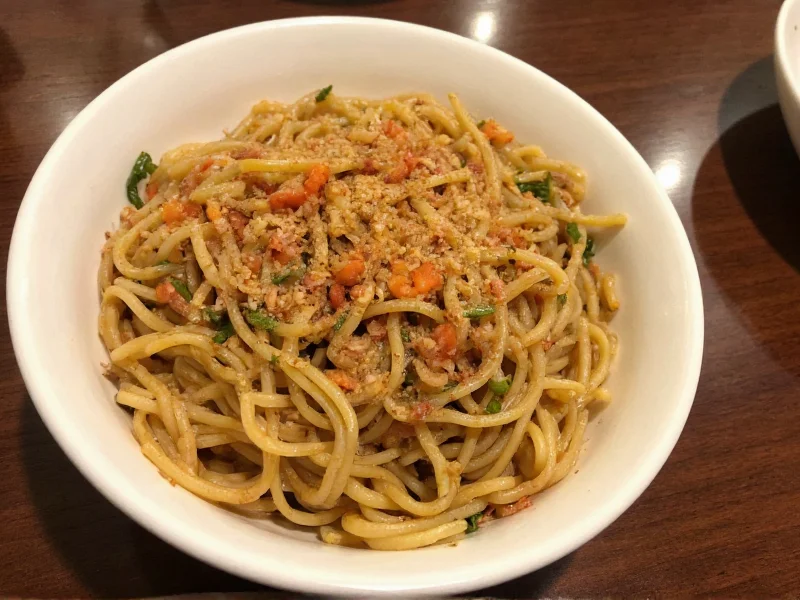
Understanding Noodle Seasoning: More Than Just Flavor
Noodle seasoning serves as the flavor foundation for countless noodle dishes worldwide. While instant ramen packets might be the most recognizable form, traditional noodle seasonings have been used for centuries across Asian cuisines. The right seasoning can transform simple noodles into a satisfying meal with minimal effort.
Core Components of Quality Noodle Seasoning
Authentic noodle seasonings typically combine several key elements that create a balanced umami-rich profile:
- Salt - The primary flavor carrier and preservative
- Umami boosters - MSG, yeast extract, or dried bonito flakes
- Aromatics - Dehydrated garlic, onion, and scallion
- Spice elements - White or black pepper, chili flakes, or Sichuan peppercorns
- Acid components - Sometimes citric acid or vinegar powder
- Oil components - Dehydrated sesame oil or chili oil in premium blends
Traditional Japanese ramen seasonings often feature kombu (kelp) and niboshi (dried sardines), while Korean varieties incorporate gochugaru (chili powder) and doenjang (soybean paste) elements. Chinese noodle seasonings frequently include five-spice powder and star anise.
Regional Variations of Noodle Seasoning
Different cultures have developed distinctive seasoning approaches that reflect local tastes and ingredients:
| Region | Signature Seasoning Elements | Common Noodle Pairings |
|---|---|---|
| Japan | Miso, shoyu, tonkotsu base, kombu, bonito | Ramen, soba, udon |
| Korea | Gochujang, doenjang, sesame oil, garlic | Ramen, japchae, naengmyeon |
| China | Soy sauce, vinegar, Sichuan peppercorns, star anise | Lo mein, dan dan noodles, beef noodle soup |
| Thailand | Fish sauce, lime, chili, palm sugar | Pad Thai, boat noodles |
How to Use Noodle Seasoning Effectively
Many home cooks don't maximize the potential of noodle seasoning. Follow these professional techniques for better results:
For Instant Noodle Packets
Don't just dump the entire seasoning packet into boiling water. Instead, reserve half to add after cooking for brighter flavor. For best noodle seasoning for ramen, try mixing the powder with a small amount of cold water first to create a paste that distributes more evenly.
Homemade Noodle Seasoning Applications
Create versatile seasoning blends that work beyond just noodles. A well-balanced homemade noodle seasoning recipe can enhance:
- Stir-fries (add during the final minute of cooking)
- Rice dishes (mix with cooked rice while still warm)
- Marinades for proteins (combine with oil and acid)
- Soup bases (use as foundation for broths)
- Vegetable roasting (toss with vegetables before baking)
Creating Your Own Noodle Seasoning
Commercial noodle seasoning packets often contain high sodium levels. Making your own allows customization and healthier options:
Basic Homemade Noodle Seasoning Recipe
Mix these ingredients in airtight container:
- ¼ cup nutritional yeast (for umami)
- 2 tbsp onion powder
- 2 tbsp garlic powder
- 1 tbsp white pepper
- 1 tbsp dried scallions
- 2 tsp mushroom powder
- 1 tsp citric acid (for brightness)
- Optional: 1-2 tsp chili flakes or gochugaru
Use 1-2 teaspoons per serving of noodles. This healthy alternative to instant noodle seasoning contains no artificial additives and significantly less sodium than commercial options.
Creative Uses Beyond Noodles
Don't limit noodle seasoning to just noodles. Culinary professionals use these flavor blends in innovative ways:
- Popcorn seasoning - Toss with freshly popped corn and a touch of oil
- Roasted vegetable enhancer - Sprinkle on vegetables before roasting
- Seasoned salt replacement - Use in place of regular salt for cooking
- Flavored oil base - Mix with olive or sesame oil for dipping sauces
- Seasoned breadcrumbs - Combine with panko for coating proteins
Understanding the flavor profile of noodle seasoning helps you apply it appropriately to other dishes. The umami-rich composition works particularly well with starches, proteins, and vegetables that benefit from savory depth.
Storage and Shelf Life Considerations
Proper storage maintains flavor integrity. Store commercial noodle seasoning for stir fry and homemade blends in airtight containers away from light and moisture. Most dry seasoning blends remain potent for 6-12 months when stored properly.
For longer storage, consider freezing in ice cube trays with a small amount of oil, then transferring to freezer bags. This method preserves volatile flavor compounds better than room temperature storage.
Common Questions About Noodle Seasoning
What's the difference between noodle seasoning and soup base?
Noodle seasoning typically contains concentrated flavor elements without liquid components, while soup bases often include fats and gels that melt when heated. Noodle seasoning works directly on noodles, whereas soup bases require liquid to activate their flavors.
Can I use noodle seasoning as a meat rub?
Yes, many professional chefs use noodle seasoning as a dry rub for proteins. The umami elements create excellent browning and flavor development. For best results, mix with a small amount of oil to help the seasoning adhere to the meat surface before cooking.
How can I reduce sodium in commercial noodle seasoning?
Use only half the recommended amount and supplement with fresh aromatics like minced garlic, grated ginger, or sliced scallions. You can also dilute the seasoning with nutritional yeast or mushroom powder, which provide umami without additional sodium.
What's a good noodle seasoning substitute if I don't have any?
Combine equal parts soy sauce, rice vinegar, and sesame oil with a pinch of sugar and garlic powder. For every serving of noodles, use 1 tablespoon of this mixture. This noodle seasoning substitute replicates the savory-sweet-acid balance of most commercial blends.
Does noodle seasoning contain MSG?
Many commercial varieties do contain MSG as a flavor enhancer, though some brands now offer MSG-free options. Check the ingredient list for 'monosodium glutamate,' 'hydrolyzed vegetable protein,' or 'yeast extract,' which all provide similar umami effects. Traditional Asian seasonings often derive umami from natural sources like dried fish or seaweed instead of added MSG.




 浙公网安备
33010002000092号
浙公网安备
33010002000092号 浙B2-20120091-4