
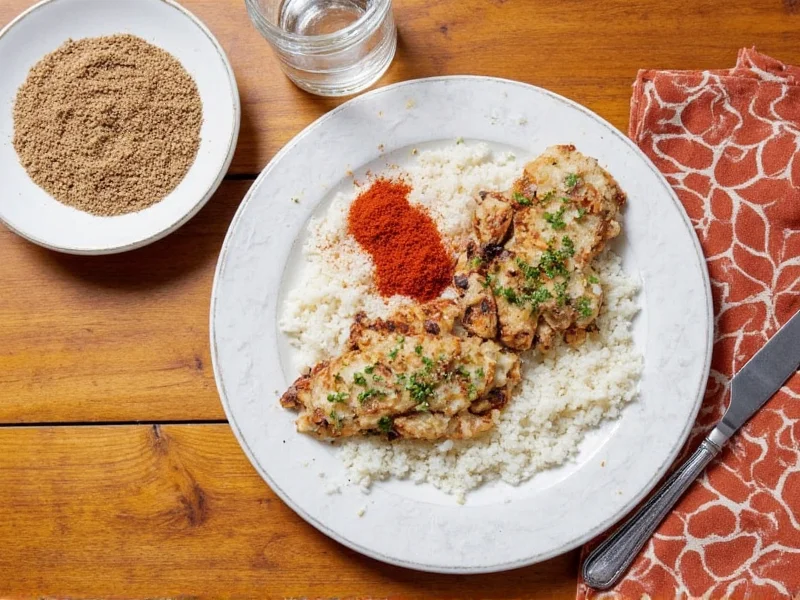
Understanding Accent Seasoning's Culinary Role
Developed in the mid-20th century, accent seasoning emerged as a practical solution for home cooks seeking to enhance meal flavors without complex techniques. The product's primary active ingredient, MSG, occurs naturally in foods like tomatoes, Parmesan cheese, and seaweed. Food scientists isolated and refined this compound to create a consistent flavor enhancer that works across diverse cuisines.
Historical Development Timeline
The scientific journey behind umami enhancement follows documented regulatory and culinary milestones:
- 1908: Japanese chemist Dr. Kikunae Ikeda isolates glutamic acid from kombu seaweed and identifies it as the source of umami (source: FAO, Umami Discovery).
- 1959: U.S. Food and Drug Administration (FDA) classifies MSG as "Generally Recognized As Safe" (GRAS) under 21 CFR 182.1 (source: FDA GRAS Listing).
- 1987: Joint FAO/WHO Expert Committee confirms MSG's safety with "not specified" acceptable daily intake (source: WHO JECFA Report 26).
- 2018: FDA mandates clear MSG declaration in ingredient lists to enhance consumer transparency (source: FDA Nutrition Facts Update).
Composition and Manufacturing Process
Modern accent seasoning contains approximately 60-70% MSG, 20-30% salt, and 5-10% natural flavor compounds derived from fermented starches or sugars. Manufacturers produce MSG through bacterial fermentation of molasses or starch, similar to yogurt or vinegar production. This controlled fermentation yields pure glutamic acid, which is then combined with sodium to create monosodium glutamate crystals.
| Component | Percentage | Function |
|---|---|---|
| Monosodium Glutamate | 60-70% | Primary umami enhancer |
| Salt (Sodium Chloride) | 20-30% | Flavor carrier and preservative |
| Natural Flavors | 5-10% | Supporting aroma compounds |
| Anti-caking Agents | <1% | Prevent clumping |
Critical Context Boundaries and Limitations
Professional applications require awareness of specific constraints affecting performance:
- pH Sensitivity: Operates optimally in neutral to slightly acidic environments (pH 5.5-8.0). Effectiveness diminishes below pH 4.0 in highly acidic preparations like citrus-based sauces (source: FAO, Food System Applications).
- Infant Food Restriction: Prohibited in infant formula and baby foods under 12 weeks per FDA regulations (source: FDA 21 CFR 107.150).
- Dish Compatibility: Incompatible with sweet applications (desserts) and delicate proteins (poached fish) where umami dominates. Not suitable as primary sodium-reduction tool for hypertension management due to residual salt content.
- Thermal Limits: Degrades above 150°C (302°F), developing bitter notes in high-heat applications like deep-frying. Best added during simmering stages.
How Accent Seasoning Differs from Similar Products
Many home cooks confuse accent seasoning with plain MSG or other flavor enhancers. While MSG represents the key active ingredient, accent seasoning includes additional components that modify its functionality. Unlike pure MSG which delivers intense umami, accent seasoning provides balanced flavor enhancement with reduced sodium content compared to table salt. When considering accent seasoning vs msg, remember that accent contains MSG but also includes salt and flavor compounds that create a more rounded taste profile.
Optimal Culinary Applications
Chefs achieve best results with accent seasoning in dishes where deep flavor development matters. The seasoning works particularly well in:
- Meat-based soups and broths where it enhances natural meat flavors
- Vegetable dishes, especially mushrooms, tomatoes, and leafy greens
- Bean and legume preparations that often lack depth
- Gravies and sauces requiring richer mouthfeel
- Casseroles and baked dishes where flavors meld during cooking
For those exploring how to use accent seasoning in cooking, start with 1/8 teaspoon per serving and adjust to taste. Add it during cooking rather than at the table for optimal flavor integration.
Health Considerations and Scientific Consensus
Despite historical concerns, major health organizations including the FDA, WHO, and EFSA classify MSG as generally recognized as safe (GRAS). Research shows most people tolerate normal culinary amounts without adverse effects. Public perception has evolved significantly, with the International Food Information Council's 2020 survey showing 38% of U.S. consumers now consider MSG safe (up from 32% in 2018), though 37% still express safety concerns due to persistent myths (source: IFIC, 2020 Food and Health Survey). When evaluating is accent seasoning the same as msg from a health perspective, note that both share the same primary compound, but accent's additional ingredients may affect sodium intake.
Practical Substitution Options
When you need an accent seasoning substitute, consider these alternatives based on your culinary needs:
- Mushroom powder: Provides natural umami for vegetarian dishes
- Tomato paste: Adds depth to sauces and stews
- Soy sauce or tamari: Offers salty-umami balance (reduce added salt)
- Nutritional yeast: Creates cheesy notes in plant-based recipes
- Dry shiitake mushrooms: Grind into powder for intense umami
Each alternative affects dish color and flavor differently, so choose based on your recipe's requirements when seeking natural flavor enhancer alternatives.
Professional Usage Tips
Experienced cooks maximize how does accent seasoning work through these techniques:
- Combine with acidic ingredients like tomatoes or wine to balance flavor profiles
- Use in layered seasoning approaches rather than as sole flavor source
- Reduce total sodium by 25% when substituting for regular salt
- Avoid high-heat frying applications where it may develop bitter notes
- Store in cool, dry place to maintain potency and prevent clumping




 浙公网安备
33010002000092号
浙公网安备
33010002000092号 浙B2-20120091-4