
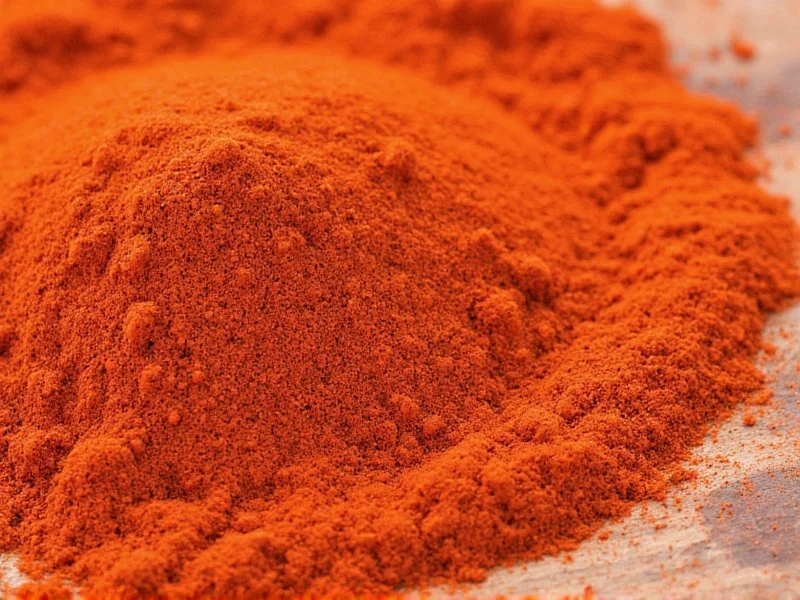
When you're in the middle of cooking and realize you've run out of paprika, knowing reliable alternatives can save your recipe. Paprika serves multiple purposes in cooking: it adds vibrant red color, provides subtle sweetness, and can contribute smokiness or heat depending on the variety. The ideal substitute depends on which characteristic you need to replicate most in your specific dish.
Understanding Paprika Varieties Before Substituting
Paprika isn't a single uniform spice—it comes in several varieties that dramatically affect which substitute works best:
- Sweet paprika - Mild flavor with no heat, primarily used for color
- Smoked paprika - Made from smoked peppers, adds distinctive smoky flavor
- Hot paprika - Contains significant heat from spicier peppers
- Sweet Hungarian paprika - Distinctive flavor profile used in traditional dishes
Before selecting a substitute for paprika in your recipe, identify which variety you're missing and what role it plays in your dish. This determines whether you should prioritize matching the color, the smokiness, the heat level, or the sweet pepper flavor.
Top Paprika Substitutes Ranked by Effectiveness
| Substitute | Best For | Ratio to Replace Paprika | Flavor Notes | Heat Level (SHU) |
|---|---|---|---|---|
| Chili powder | General cooking, chili, stews | 1:1 | Contains cumin and garlic; less vibrant color | 500-1,500 |
| Cayenne pepper | Adding heat (not color) | ⅛ tsp cayenne per 1 tsp paprika | Significantly hotter; use sparingly | 30,000-50,000 |
| Chipotle powder | Smoked paprika replacement | ¾ tsp chipotle per 1 tsp smoked paprika | Smokier and hotter than regular smoked paprika | 2,500-8,000 |
| Red bell pepper powder | Sweet paprika replacement | 1:1 | Milder, less complex flavor | 0 |
| Tomato paste | Color without heat | 1 tbsp paste per 1 tsp paprika | Adds moisture; best for sauces and stews | 0 |
Scoville Heat Unit (SHU) measurements verified by the Chile Pepper Institute at New Mexico State University, the world's only academic center dedicated to chile pepper research.
Detailed Paprika Substitute Options
Chili Powder: The Most Accessible Alternative
When searching for what spice can substitute for paprika, chili powder is often the most practical option since many home cooks already have it. While chili powder contains paprika as one of its ingredients along with cumin, garlic powder, and oregano, it works well as a 1:1 replacement in most savory dishes. The main difference is that chili powder produces a slightly darker color and more complex flavor profile. This makes it an excellent choice for chili, meat rubs, and hearty stews where the additional spices complement rather than compete with your recipe.
Cayenne Pepper: For Heat Without Color
If you need to replicate the heat of hot paprika but don't have it, cayenne pepper serves as an effective substitute for paprika's spicy varieties. Use only ⅛ teaspoon of cayenne for every teaspoon of hot paprika called for, as cayenne is significantly hotter. This substitution works well in dishes where color matters less than heat, such as in some meat marinades or spicy sauces. Remember that cayenne won't provide paprika's characteristic red color, so you may want to combine it with another ingredient like tomato paste if color is important to your dish.
Chipotle Powder: The Best Smoked Paprika Replacement
For recipes specifically calling for smoked paprika—such as paella, barbecue rubs, or Spanish chorizo—chipotle powder makes the most authentic substitute. Made from smoked jalapeños, chipotle powder delivers that distinctive smoky flavor profile though it tends to be hotter than traditional smoked paprika. Use about ¾ teaspoon of chipotle powder for every teaspoon of smoked paprika. This substitution works particularly well in southwestern dishes, chili, and any recipe where a touch of smokiness enhances the overall flavor.
Red Bell Pepper Powder: For Sweet Paprika Replacement
When you need what can i use instead of paprika for its sweet, mild flavor without heat, dried red bell pepper powder makes the closest match. You can use it in a 1:1 ratio as a paprika replacement for cooking applications where heat would be undesirable. This substitute works especially well in dishes like deviled eggs, potato salads, or light-colored sauces where you want the vibrant red color without any spiciness. While it lacks the complexity of commercial paprika blends, it effectively replicates the sweet pepper flavor profile.
Tomato Paste: For Color Without Heat
One of the most practical paprika substitutes for color is tomato paste, particularly in liquid-based dishes like stews, soups, and sauces. Use one tablespoon of tomato paste to replace one teaspoon of paprika. The paste adds both color and a subtle tomato sweetness that complements many dishes that traditionally use paprika. This works especially well in Hungarian goulash or other tomato-based dishes where the additional tomato flavor enhances rather than detracts from the recipe. For non-tomato dishes, use sparingly to avoid altering the flavor profile too much.
Special Considerations for Specific Dishes
Certain recipes have particular requirements when looking for alternatives to paprika:
For Hungarian Goulash
Traditional Hungarian goulash relies on sweet Hungarian paprika for its distinctive flavor. When seeking paprika substitute for Hungarian goulash, combine equal parts sweet paprika replacement (like red bell pepper powder) with a pinch of marjoram and caraway seeds to approximate the unique flavor profile. If you have access to Hungarian paprika brands like Pick or Szeged, these provide the most authentic flavor.
For Rubs and Marinades
In dry rubs where paprika provides both color and flavor, chili powder makes the most versatile substitute for paprika. For meat rubs specifically requiring smoked paprika, combine regular paprika with a few drops of liquid smoke, or use chipotle powder at a reduced ratio to prevent excessive heat.
For Deviled Eggs and Light-Colored Dishes
When you need what spice tastes similar to paprika for dishes like deviled eggs where color matters but heat would be undesirable, consider a combination of tomato paste and a tiny bit of cayenne. Alternatively, a pinch of beet powder can provide color without altering flavor, though it lacks paprika's distinctive taste.
Authenticity Constraints in Traditional Cuisine
While substitutes function in modern cooking, traditional Hungarian cuisine presents critical limitations where paprika has no true equivalent. As documented by Hungary's official culinary authority, the Hungarian Tourism Board, "paprika is the most important spice in Hungarian cuisine" and defines dishes like goulash at a cultural level. Substitutes fail in three key contexts: (1) When preparing dishes for cultural preservation (e.g., UNESCO-recognized Hungarian cooking traditions), (2) In professional Hungarian restaurants where authenticity affects menu credibility, and (3) For dishes where paprika's specific carotenoid profile (measured at 3,000-5,000 ASTA units) creates irreplaceable color chemistry. In these scenarios, the Hungarian Food Chain Safety Office notes that substitutes alter the dish's fundamental identity beyond acceptable culinary adaptation.
Creating Your Own Paprika Substitute Blend
For those wondering how to substitute cayenne for paprika while maintaining balance, creating a custom blend often yields the best results. Try this versatile homemade substitute:
- 2 parts sweet paprika replacement (chili powder or red bell pepper powder)
- ½ part cayenne pepper (adjust for desired heat level)
- 1 part garlic powder
- 1 part onion powder
Mix these ingredients thoroughly and store in an airtight container. This blend works well as a general paprika replacement for cooking across various recipes, providing both flavor complexity and the characteristic red color.
When Substitution Isn't Ideal
While these alternatives work well in most situations, some dishes truly require authentic paprika for the best results. Traditional Spanish paella, Hungarian paprikash, and certain smoked sausage recipes rely on paprika's unique flavor profile that's difficult to replicate perfectly with substitutes. In these cases, consider adjusting your recipe rather than substituting, or make a special trip to purchase paprika if timing allows.




 浙公网安备
33010002000092号
浙公网安备
33010002000092号 浙B2-20120091-4