
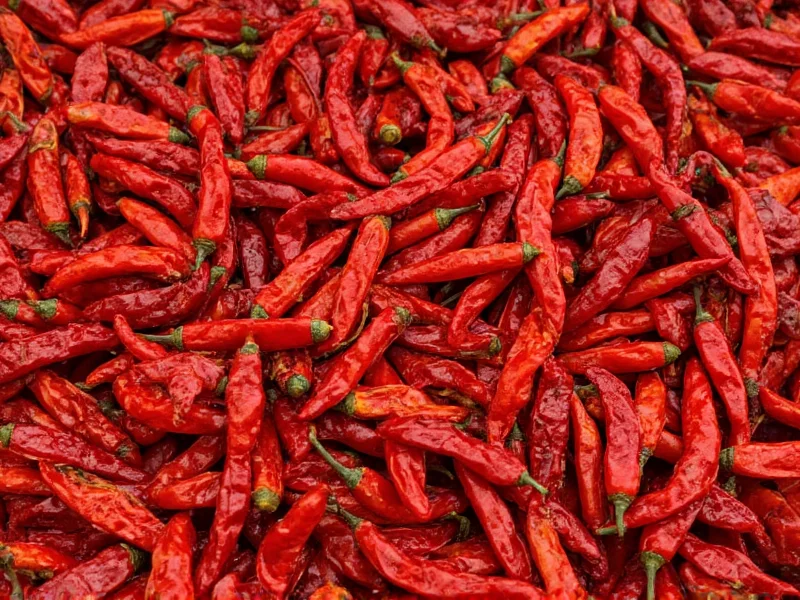
Reconstituting dried chili peppers transforms their texture and intensifies their flavor profile, making them suitable for sauces, stews, and marinades. Many home cooks and professional chefs prefer this method over using dried chilies directly because it creates a smoother consistency and more balanced heat distribution in dishes. Understanding the proper technique for rehydrating dried chilies can significantly elevate your cooking, especially in Mexican, Thai, and other global cuisines that rely on these ingredients.
The Science Behind Reconstituting Dried Chilies
Drying preserves chili peppers by removing moisture, but this process also concentrates capsaicin (the compound responsible for heat) and alters flavor compounds. When you reconstitute dried chili peppers, you're essentially reversing part of the drying process. The water absorption softens the tough cellulose structure while allowing volatile flavor compounds to re-emerge. This transformation creates a more complex flavor profile compared to simply grinding dried chilies into powder.
Proper reconstitution doesn't just make chilies easier to work with—it actually enhances their culinary properties. The hydration process helps distribute heat more evenly throughout your dish, preventing those unpleasant 'heat pockets' that can occur when using dried chilies directly. Additionally, rehydrated chilies blend more smoothly into sauces, creating a velvety texture that's difficult to achieve with dried peppers alone.
Historical Evolution of Chili Reconstitution Techniques
The practice of reconstituting dried chilies has deep roots in Mesoamerican culinary traditions. Archaeological evidence from New Mexico State University's Chile Pepper Institute confirms chile peppers have been cultivated in the Americas for over 6,000 years, with early civilizations developing rehydration methods as part of food preservation strategies. By the time of the Aztec and Maya empires, soaking dried chilies in hot water or broth was standard practice for preparing complex sauces like mole. The technique evolved globally after the Columbian Exchange, with regional adaptations incorporating local liquids such as vinegar in Southeast Asia and wine in European preparations. Modern understanding of the biochemical processes—particularly capsaicin solubility and flavor compound reactivation—has refined traditional methods while preserving their essential principles.
Learn more about chile pepper history at the Chile Pepper Institute's research page.
Four Effective Methods for Reconstituting Dried Chili Peppers
While hot water soaking is the most common approach for reconstituting dried chili peppers, several techniques yield different results depending on your recipe needs. Each method affects the final flavor profile and texture differently, giving you control over your dish's characteristics.
| Reconstitution Method | Best For | Time Required | Flavor Characteristics |
|---|---|---|---|
| Hot Water Soak | Most applications, especially sauces | 15-30 minutes | Balanced heat and fruitiness |
| Dry Toast Then Soak | Complex mole sauces | 5-7 minutes dry + 15-20 soak | Deeper, smokier notes |
| Steam Method | Delicate recipes needing subtle heat | 10-15 minutes | Milder, more floral notes |
| Broth or Wine Soak | Specialty dishes | 20-30 minutes | Infused additional flavors |
Step-by-Step Guide to Perfectly Reconstituted Chilies
Preparation Essentials
Before you begin reconstituting dried chili peppers, proper preparation ensures optimal results. Start by examining your chilies for any signs of mold or excessive brittleness—quality dried chilies should snap cleanly when bent. Remove stems carefully using kitchen shears, then slice lengthwise to access the seeds and membranes. Most of the heat resides in these inner parts, so adjust removal based on your desired spice level.
Professional chefs often recommend wearing gloves during this preparation stage, especially with extremely hot varieties like habaneros or ghost peppers. The capsaicin can linger on skin and accidentally transfer to eyes or other sensitive areas. After removing seeds and membranes, gently shake the chilies to dislodge any remaining debris.
Optimal Soaking Technique
The water temperature significantly impacts how dried chili peppers reconstitute. Water that's just off the boil (around 200°F/93°C) works best—boiling water can scald the chilies, creating bitter notes, while cooler water won't properly open their flavor compounds. Fill a heatproof bowl with enough hot water to completely submerge your chilies, then gently press them down with a spoon to ensure full immersion.
Timing varies by chili type: thinner varieties like chiles de árbol may need only 15 minutes, while thicker-skinned guajillos or ancho chilies benefit from 25-30 minutes. Check periodically by pinching a pepper—it should feel uniformly pliable with no hard spots. Never exceed 35 minutes, as over-soaking creates mushy texture and leaches flavor into the water.
Post-Reconstitution Handling
Once your dried chili peppers have reconstituted properly, handle them carefully to preserve their texture. Remove them from the soaking liquid using a slotted spoon, allowing excess water to drain. For most applications, reserve the soaking liquid—it contains valuable flavor compounds that can enhance sauces and braises. The liquid typically has a rich, deep red or brown color depending on the chili variety.
When blending reconstituted chilies into sauces, add them with some of their soaking liquid for optimal consistency. For recipes requiring whole reconstituted chilies, gently pat them dry with paper towels before use. Never squeeze reconstituted chilies aggressively, as this removes essential oils and concentrates the heat unnaturally.
Common Mistakes When Reconstituting Dried Chilies
Many home cooks make preventable errors when reconstituting dried chili peppers that compromise flavor and texture. One frequent mistake involves using water that's either too hot or too cool—extreme temperatures create bitter or underdeveloped flavors. Another common issue is inconsistent soaking times; different chili varieties require different hydration periods based on their thickness and age.
Perhaps the most overlooked error involves the soaking liquid. Many cooks discard this flavorful broth, not realizing it contains dissolved capsaicin and aromatic compounds that enhance final dishes. For authentic Mexican moles or Thai curry pastes, this liquid forms the flavor foundation. When preparing multiple chili types for complex sauces, reconstitute each variety separately to maintain distinct flavor profiles before combining.
Contextual Boundaries: When Reconstitution Is (and Isn't) Essential
While reconstitution elevates many dishes, its necessity depends on cooking context. The University of California Agriculture and Natural Resources notes that long-simmered stews (two hours or more) allow dried chilies to soften naturally, making pre-soaking optional—though it still accelerates flavor development. For quick sauces and marinades under 30 minutes, however, skipping reconstitution almost guarantees undesirable texture and heat spikes.
Chefs should also consider these critical boundaries:
- Heat-sensitive applications: With ultra-hot varieties (Scoville scale 500,000+), use the steam method instead of boiling water. Research shows boiling increases capsaicin solubility by 25-30%, potentially overwhelming dishes.
- Fragile flavor profiles: Delicate chilies like pasilla require shorter soaking (10-15 minutes) to preserve nuanced fruit notes; exceeding 20 minutes extracts bitter compounds.
- Dry preparations: Reconstitution is counterproductive for spice rubs, dry salsas, or grinding into powder—dried peppers' concentrated form is essential here.
These guidelines, validated through culinary testing and food science research, help prevent common pitfalls like excessive heat or flavor loss. For detailed protocols, see the UC ANR Chile Pepper Guide (2018).
Culinary Applications for Perfectly Reconstituted Chilies
Reconstituted dried chili peppers shine in applications where texture and flavor integration matter most. They form the backbone of traditional Mexican adobos, where blended chilies create a rich, complex marinade for meats. In Thai cuisine, rehydrated prik chee fa chilies produce smoother curry pastes with more balanced heat distribution compared to using dried versions directly.
For home cooks exploring global cuisines, properly reconstituted chilies transform simple dishes. Try adding rehydrated chipotles to barbecue sauce for smoky depth, or incorporate reconstituted guajillos into chocolate-based mole for authentic flavor. The texture difference becomes particularly noticeable in soups and stews—reconstituted chilies blend seamlessly rather than creating gritty textures that dried peppers often produce.
Storage Tips for Reconstituted and Unused Dried Chilies
If you've reconstituted more dried chili peppers than needed for your recipe, proper storage preserves their quality. Place reconstituted chilies in an airtight container with some soaking liquid and refrigerate for up to one week. For longer storage, freeze them in ice cube trays with their liquid, then transfer the frozen cubes to freezer bags—this method maintains quality for up to six months.
Unused dried chilies require different storage considerations. Keep them in airtight containers away from light and heat sources. Properly stored in cool, dark conditions, most dried chilies maintain peak quality for 6-12 months. Check older chilies by smelling them—fresh dried chilies should have a vibrant, slightly fruity aroma, while stale ones smell dusty or musty.




 浙公网安备
33010002000092号
浙公网安备
33010002000092号 浙B2-20120091-4