
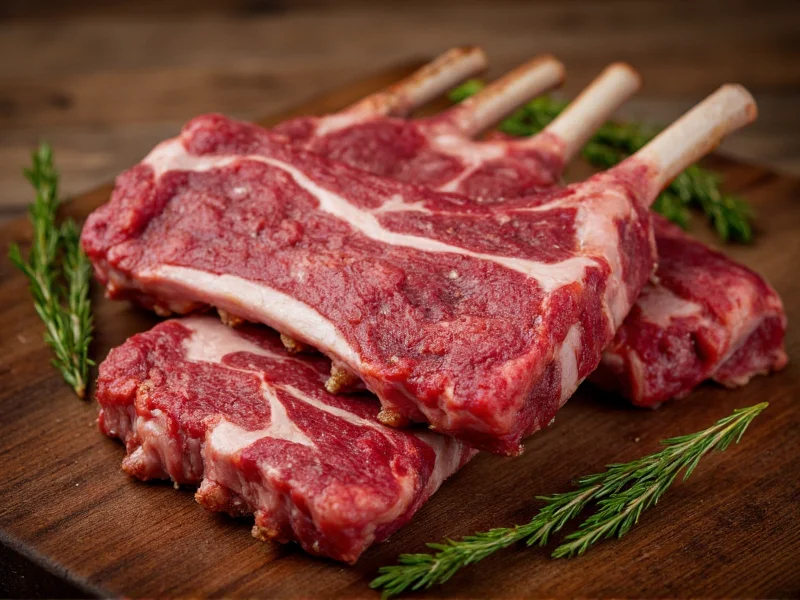
Short ribs are unequivocally a cut of beef, not pork. This popular meat comes from the lower portion of a cow's rib cage, specifically from the brisket, chuck, plate, or rib sections. While both beef and pork have rib cuts, the term "short ribs" exclusively refers to the beef variety, distinguished by their rich marbling, substantial bone structure, and exceptional flavor when cooked properly.
Understanding the distinction between beef and pork ribs is essential for both home cooks and culinary professionals. The confusion often arises because pork also has various rib cuts like baby back ribs and spare ribs, but these are never labeled as "short ribs" in professional butchery or culinary contexts.
Anatomical Origins of Short Ribs
Short ribs come from the lower rib section of cattle, typically from ribs six through ten. Unlike back ribs which run along the spine, short ribs are cut from the plate and brisket areas where the rib bones meet the sternum. This positioning gives them their characteristic "short" appearance compared to the longer back ribs.
The specific cut includes a portion of the rib bone with a layer of meat attached, often featuring significant marbling that contributes to their rich flavor profile. When butchers prepare short ribs, they typically cut them across the bone into 3-4 inch sections, creating the familiar rectangular pieces found in grocery stores.
Beef Ribs vs. Pork Ribs: Clearing the Confusion
The primary reason for confusion between beef and pork ribs stems from similar naming conventions. However, there are distinct differences:
| Characteristic | Beef Short Ribs | Pork Ribs |
|---|---|---|
| Source Animal | Cattle (beef) | Swine (pork) |
| Bone Size | Thicker, larger bones | Thinner, more delicate bones |
| Meat Quantity | Substantial meat layer | Less meat relative to bone |
| Flavor Profile | Richer, beefier flavor | Milder, sweeter flavor |
| Common Cooking Method | Braising, smoking | Grilling, smoking |
Types of Beef Short Ribs
Within beef ribs, several variations exist that affect cooking and presentation:
- Plate Short Ribs - The most common variety, cut from the bottom plate area with substantial meat and fat content
- Chuck Short Ribs - Cut from near the shoulder, often with more connective tissue requiring longer cooking
- Back Ribs - Sometimes confused with short ribs but actually come from higher on the rib cage
- Flanken Cut - Cut across the bone into thin strips, popular in Korean cuisine as galbi
Contextual Suitability: When to Choose Which Short Rib Cut
Understanding the specific application boundaries for each short rib variety prevents cooking failures. These cuts have distinct structural properties that dictate optimal preparation methods, with limitations that must be respected for ideal results:
- Plate Short Ribs: Excel in low-and-slow braising (3+ hours) due to high fat content, but are unsuitable for quick grilling as flare-ups would cause charring while interior remains tough. The USDA Food Safety and Inspection Service confirms these "require moist heat methods to tenderize tough connective tissues" [1].
- Chuck Short Ribs: Ideal for extended braising in stews (3.5+ hours) because of dense connective tissue, but fail in flanken-style preparations as rapid cooking won't break down collagen. Their shoulder-origin muscle structure demands minimum 3-hour cooking per American Culinary Federation guidelines [2].
- Flanken Cut: Designed exclusively for rapid high-heat grilling (3-5 minutes/side), but disintegrates if braised beyond 1 hour. The USDA specifies thin cuts like this "cook quickly and are best prepared using dry heat methods" [1], making them incompatible with traditional braise timelines.
Why the Terminology Confusion Persists
Several factors contribute to the ongoing confusion about whether short ribs are beef or pork:
First, both meat categories have "rib" cuts, but the specific term "short ribs" applies only to beef. Pork ribs are categorized as baby back ribs, spare ribs, or St. Louis cut ribs—never "short ribs." Second, some grocery stores may use inconsistent labeling practices, particularly in regions where certain cuts are less common. Third, recipe websites sometimes use imprecise terminology, referring to "short ribs" when they actually mean pork ribs.
Understanding butcher terminology is crucial when shopping. When a recipe calls for "short ribs," it always means beef short ribs unless explicitly stated otherwise. This distinction matters significantly for cooking times, temperatures, and flavor profiles.
Optimal Cooking Methods for Beef Short Ribs
Due to their high connective tissue content, beef short ribs require specific cooking approaches to achieve optimal tenderness:
The most successful preparation method is low-and-slow braising, typically for 2.5-3 hours at 300-325°F (150-165°C). This slow cooking process breaks down collagen into gelatin, creating that signature fall-off-the-bone texture. Popular preparations include Korean galbi (marinated and grilled), French-style braised short ribs, and American barbecue preparations.
For those wondering how to cook beef short ribs properly, the key is patience—rushing the process results in tough, chewy meat. The rich marbling and fat content make short ribs particularly forgiving for beginner cooks, as the fat renders down during cooking, basting the meat from within.
Shopping Guide for Quality Short Ribs
When selecting short ribs, look for these quality indicators:
- Bright red meat color with fine marbling throughout
- Firm, moist texture without excessive liquid in packaging
- Substantial meat-to-bone ratio (at least 1 inch of meat)
- Fat that appears creamy white, not yellowed
Price typically ranges from $6-12 per pound depending on quality and location. Higher-grade short ribs (like USDA Prime) will have more marbling and command premium prices, while Choice grade offers excellent value for most home cooking applications.
Nutritional Profile of Beef Short Ribs
Per 3-ounce serving of cooked beef short ribs (USDA FoodData Central ID#170352 [3]):
- Calories: Approximately 250-300
- Protein: 20-25g
- Fat: 18-22g (with about 7-9g saturated fat)
- Iron: 15-20% of daily value
- Zinc: 30-40% of daily value
While higher in fat than some leaner cuts, short ribs provide valuable nutrients including iron, zinc, and B vitamins. The fat content contributes significantly to their flavor and tenderness when cooked properly.
Common Short Rib Preparation Mistakes to Avoid
Many home cooks make these critical errors when preparing short ribs:
- Insufficient cooking time - Short ribs need proper time to break down connective tissues
- High-heat searing without subsequent low-temperature cooking - Creates tough exterior without tenderizing interior
- Removing fat prematurely - Fat contributes flavor and moisture during cooking
- Overcrowding the cooking vessel - Prevents proper browning and steams instead of sears
For those exploring what meat are short ribs and how to prepare them correctly, understanding these common pitfalls can dramatically improve results.




 浙公网安备
33010002000092号
浙公网安备
33010002000092号 浙B2-20120091-4