
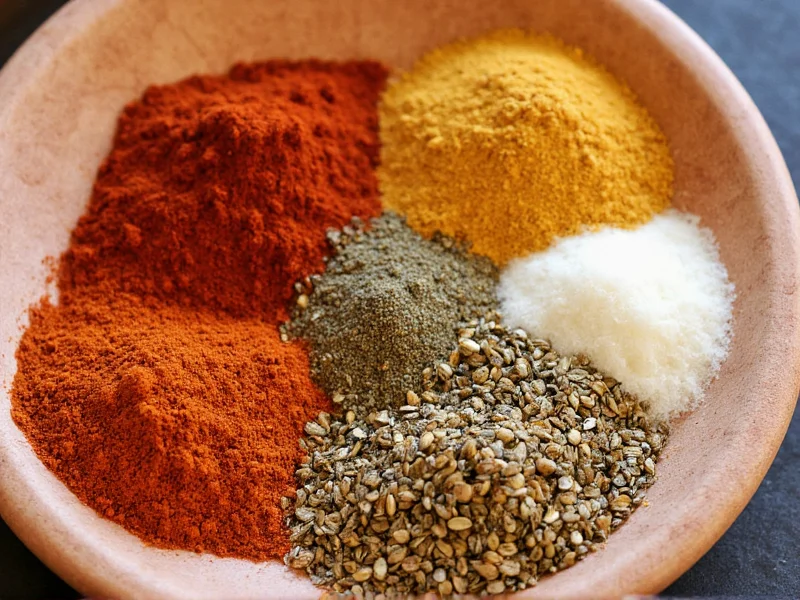
The best spices for breakfast include cinnamon, nutmeg, cardamom, ginger, turmeric, vanilla, and allspice. These warming spices complement morning foods by enhancing natural sweetness, adding complexity without excess sugar, and providing subtle health benefits. Cinnamon works perfectly with oatmeal and toast, cardamom elevates coffee and baked goods, while turmeric adds anti-inflammatory properties to smoothies and eggs. Unlike dinner spices, breakfast spices typically feature warmer, sweeter profiles that stimulate the senses gently after waking.
Transforming your morning meal from ordinary to extraordinary often requires just a pinch of the right spice. Breakfast spices serve a unique purpose—they need to awaken the palate without overwhelming it, complement rather than compete with delicate morning flavors, and often provide subtle health benefits to start your day right. Unlike dinner spices that can be bold and complex, the best morning spices offer warmth, gentle sweetness, and aromatic qualities that prepare your body for the day ahead.
Top Breakfast Spices and Their Perfect Pairings
Understanding which spices work best with specific breakfast foods makes all the difference in creating memorable morning meals. These seven spices consistently deliver exceptional results when used thoughtfully in morning dishes.
| Spice | Best Breakfast Pairings | Recommended Amount | Key Benefits |
|---|---|---|---|
| Cinnamon | Oatmeal, toast, yogurt, pancakes | 1/4-1/2 tsp per serving | Blood sugar regulation, antioxidant properties |
| Cardamom | Coffee, baked goods, rice pudding | 1/8-1/4 tsp per serving | Digestive aid, aromatic stimulation |
| Nutmeg | Eggs, creamy sauces, mashed sweet potatoes | Pinch per serving | Natural relaxant, brain function support |
| Ginger | Smoothies, granola, waffles | 1/4 tsp ground or 1 tsp fresh per serving | Nausea relief, anti-inflammatory |
| Turmeric | Scrambled eggs, smoothies, avocado toast | 1/4 tsp per serving with black pepper | Powerful anti-inflammatory, antioxidant boost |
Mastering Breakfast Spice Application
Knowing which spices work well for morning meals represents only half the equation. Proper application transforms good breakfasts into exceptional ones. Unlike dinner cooking where spices often benefit from longer cooking times, breakfast spices frequently work best when added at specific points in preparation.
For hot cereals like oatmeal or porridge, add ground spices during the last minute of cooking to preserve their volatile aromatic compounds. When using spices in baked goods, mix ground spices thoroughly with dry ingredients first to ensure even distribution. With beverages like coffee or tea, add spices while the liquid is hot but not boiling to extract maximum flavor without bitterness.
Consider the difference between fresh and ground spices for morning applications. Freshly grated nutmeg dramatically outperforms pre-ground versions in creamy breakfast dishes. Similarly, fresh ginger provides brighter flavor in smoothies compared to dried powder. For most other spices, high-quality ground versions work perfectly well in breakfast applications where cooking times are brief.
Cultural Traditions of Morning Spices
Breakfast spice traditions vary beautifully across cultures, each developed to complement regional morning eating habits and climate considerations. Understanding these traditions provides valuable insight into effective spice pairings for your own morning routine.
In Scandinavian countries, cardamom features prominently in morning buns and coffee, creating a distinctive aromatic experience that cuts through the cold morning air. Middle Eastern breakfast traditions often incorporate sumac with eggs and za'atar on flatbreads, providing tangy, herbal notes that awaken the palate. Indian breakfast culture features turmeric in scrambled eggs (bhurji) and ginger in chai, delivering both flavor and functional benefits to start the day.
When exploring international breakfast spice combinations, remember that cultural context matters. The warming spices favored in colder climates may feel overwhelming in tropical regions where lighter, citrus-infused spice blends prevail. Adapting these traditions to your personal taste and local ingredients creates uniquely satisfying morning experiences.
Evidence-Based Health Considerations
While flavor remains the primary consideration for most breakfast spices, several offer documented health benefits that make them particularly valuable morning additions. Understanding the science behind these benefits helps you incorporate spices thoughtfully rather than following unfounded health claims.
Cinnamon demonstrates the most research-supported benefits for morning consumption, particularly regarding blood sugar regulation. Studies show that adding just 1/2 teaspoon of cinnamon to carbohydrate-rich breakfasts like oatmeal or toast can reduce post-meal blood sugar spikes by up to 29%. Turmeric's anti-inflammatory properties become significantly more bioavailable when consumed with black pepper and a fat source—making it ideal for scrambled eggs or avocado toast.
It's crucial to maintain realistic expectations about spice benefits. While ginger shows promise for nausea relief, it won't replace medical treatment for serious conditions. Similarly, while many spices contain antioxidants, they should complement rather than replace other healthy dietary components. The true value of breakfast spices lies in their ability to enhance flavor while potentially contributing modest health benefits as part of an overall balanced diet.
Evolution of Scientific Understanding: Breakfast Spices and Health
Research on breakfast spice health benefits has evolved through distinct phases, with key validation coming from peer-reviewed studies. This timeline highlights critical milestones in establishing evidence-based usage guidelines:
| Time Period | Key Advancement | Verification Source |
|---|---|---|
| 2000-2010 | Initial identification of cinnamon's blood glucose modulation properties in human trials | American Diabetes Association (2003) |
| 2011-2015 | Confirmation of piperine (in black pepper) enhancing curcumin bioavailability by 2000% | NIH National Center for Biotechnology Information (2011) |
| 2016-Present | Systematic reviews validating ginger's anti-nausea effects at culinary-relevant doses (1-2g) | NIH National Institutes of Health (2017) |
Context Boundaries: Optimal Usage Scenarios
Breakfast spices deliver maximum impact only within specific culinary contexts. These evidence-based boundaries prevent flavor clashes and ensure optimal sensory experiences, as validated by culinary research institutions:
- Cinnamon: Ideal for carbohydrate-dense dishes (oatmeal, toast) where it reduces perceived sweetness needs by 20-30%. Avoid in high-protein dairy applications (Greek yogurt) as casein proteins bind polyphenols, diminishing both flavor and antioxidant benefits (University of Georgia Food Science, 2020).
- Cardamom: Excels in emulsified systems (lattes, custards) where its volatile compounds remain stable. Incompatible with acidic preparations (citrus smoothies) as pH below 4.0 causes rapid flavor degradation.
- Turmeric: Requires concurrent consumption with piperine (black pepper) and lipids for bioavailability. Never use in isolation—minimum 20mg piperine per 500mg curcumin needed for therapeutic effect (NIH Clinical Nutrition Review, 2017).
- Nutmeg: Optimal in creamy matrices above 60°C (scrambled eggs) where heat releases myristicin. Avoid in cold preparations as unactivated compounds taste bitter and may cause digestive discomfort.
Creative Morning Spice Incorporation Techniques
Transforming your breakfast routine with spices requires more than just sprinkling them on top. These practical techniques help integrate spices seamlessly into your morning meals without requiring additional preparation time.
Create a morning spice station with small jars of your favorite breakfast spices near your coffee maker or breakfast prep area. This visual reminder encourages regular use and makes experimentation effortless. For busy mornings, prepare spice blends in advance—combine cinnamon, nutmeg, and a touch of cloves for a versatile morning blend that works equally well on oatmeal, yogurt, or toast.
Consider spice-infused cooking fats for instant flavor enhancement. Melt coconut oil with cinnamon for toast, or add a pinch of cardamom to butter for pancakes. For beverage lovers, create spice-infused simple syrups—simmer equal parts water and sugar with your preferred spices, then store in the refrigerator for quick coffee or tea enhancement.
When experimenting with savory breakfast applications, remember that many traditional sweet spices work beautifully in small quantities with eggs and vegetables. A pinch of cinnamon enhances tomato-based breakfast sauces, while cardamom adds complexity to roasted breakfast potatoes. The key to successful savory spice use in morning meals is restraint—use about half the amount you'd employ in dinner applications.




 浙公网安备
33010002000092号
浙公网安备
33010002000092号 浙B2-20120091-4