
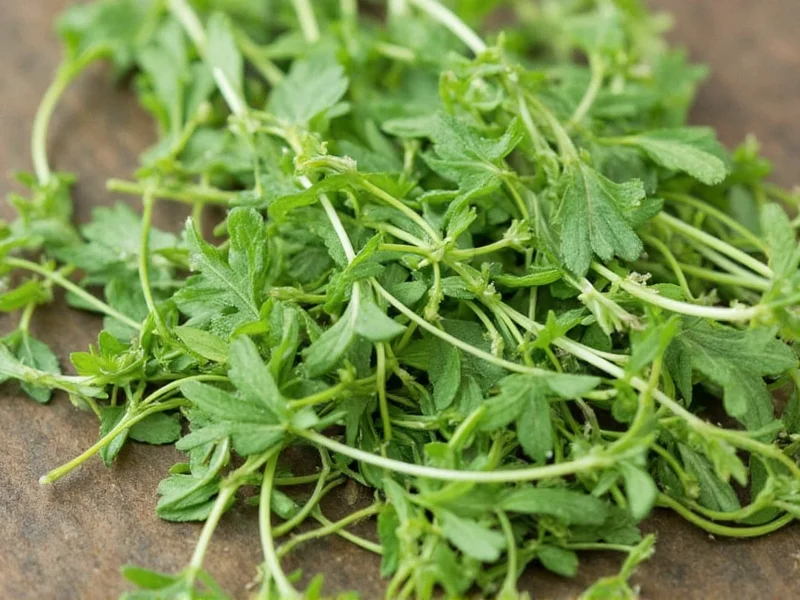
When exploring the difference between oregano and Mexican oregano, many home cooks discover these herbs aren't interchangeable without recipe adjustments. Understanding their unique characteristics helps elevate your culinary creations with authentic flavors.
Botanical Distinctions: More Than Just a Name
Though both carry “origanum” in their common names, these plants are botanical distant relatives. Mediterranean oregano (Origanum vulgare) grows as a perennial herb with small purple or white flowers and oval leaves. It thrives in the rocky soils of Greece, Italy, and Turkey. Mexican oregano (Lippia graveolens), despite its name, isn't true oregano at all. It's a woody shrub with rougher, elongated leaves that produces small white flowers in clusters. This distinction explains why can i substitute mexican oregano for regular oregano requires careful consideration in recipes.
Flavor Profile Comparison
Understanding what does mexican oregano taste like versus its Mediterranean counterpart reveals why they perform differently in dishes:
| Characteristic | Mediterranean Oregano | Mexican Oregano |
|---|---|---|
| Primary Flavor Notes | Earthy, herbal, slightly bitter | Citrusy, floral, with licorice hints |
| Heat Perception | Mild warmth | Bolder, slightly peppery |
| Aroma Intensity | Moderate | Stronger, more pungent |
| Drying Effect | Loses some complexity | Flavor intensifies when dried |
Culinary Applications: When Substitution Works (and When It Doesn't)
The question of is mexican oregano the same as oregano frequently arises in kitchen experiments. While both season dishes beautifully, their applications differ significantly:
Mediterranean oregano shines in Greek salads, Italian tomato sauces, and grilled vegetable preparations. Its earthy notes complement olive oil-based dishes perfectly. Mexican oregano, however, becomes essential in authentic Latin American cuisine—particularly in black bean soups, mole sauces, and adobo marinades. The citrus notes cut through rich meats and enhance complex spice blends.
When considering can i substitute mexican oregano for regular oregano, follow these guidelines:
- For Mediterranean dishes: Use 1:1 substitution only in tomato-based sauces, but reduce quantity by 25% for delicate dishes
- For Mexican dishes: Never substitute Mediterranean oregano 1:1—use 50% more to achieve similar flavor impact
- Dried versus fresh: Mexican oregano's flavor intensifies when dried, while Mediterranean oregano loses some complexity
Storage and Preparation Tips
Proper handling preserves each herb's unique qualities. Store dried Mediterranean oregano in airtight containers away from light, where it maintains potency for 6-12 months. Mexican oregano retains flavor longer—up to 18 months—due to its higher oil content. When using fresh varieties, add Mediterranean oregano late in cooking to preserve delicate flavors, while Mexican oregano benefits from earlier addition to allow its robust notes to meld with other ingredients.
Common Misconceptions Clarified
Many assume Mexican oregano is simply a regional variety of the Mediterranean herb. This misconception leads to disappointing results when cooks treat them as identical. The botanical difference between oregano varieties explains why Mexican oregano withstands long cooking times better—its essential oils are more heat-stable. Additionally, while Mediterranean oregano pairs well with basil and thyme, Mexican oregano complements cumin and epazote more effectively.
Practical Guidance for Home Cooks
When selecting oregano, check labels carefully—many products labeled “Mexican oregano” actually contain Mediterranean varieties. True Mexican oregano appears darker with more prominent veins. For authentic culinary uses of mexican oregano, seek it in Latin American markets or specialty spice shops. If substituting, remember that Mexican oregano's bold flavor means you'll typically need less than Mediterranean oregano in equivalent recipes.
Frequently Asked Questions
Can I use Mexican oregano in Italian dishes?
While possible, Mexican oregano's citrus notes may clash with traditional Italian flavor profiles. For authentic results, use Mediterranean oregano in Italian cuisine. If substituting, reduce the quantity by 30-40% and add near the end of cooking.
Why does Mexican oregano taste different from regular oregano?
Mexican oregano contains different essential oils, particularly higher concentrations of citral and thymol, creating its distinctive citrus-spice profile. Mediterranean oregano's dominant compounds produce more earthy, herbal notes.
Which oregano has stronger antioxidant properties?
Studies show Mexican oregano generally contains higher levels of antioxidants due to its different phytochemical composition. However, both varieties offer significant health benefits when consumed as part of a balanced diet.
Can I grow both types of oregano in my garden?
Yes, but they have different growing requirements. Mediterranean oregano prefers well-drained soil and full sun in temperate climates. Mexican oregano thrives in hotter, drier conditions and requires less water. They won't cross-pollinate since they're from different plant families.
Does the difference between oregano and Mexican oregano affect nutritional value?
Both provide similar vitamins and minerals, but Mexican oregano typically contains higher concentrations of certain compounds like rosmarinic acid. The primary difference lies in flavor compounds rather than basic nutritional content.




 浙公网安备
33010002000092号
浙公网安备
33010002000092号 浙B2-20120091-4