
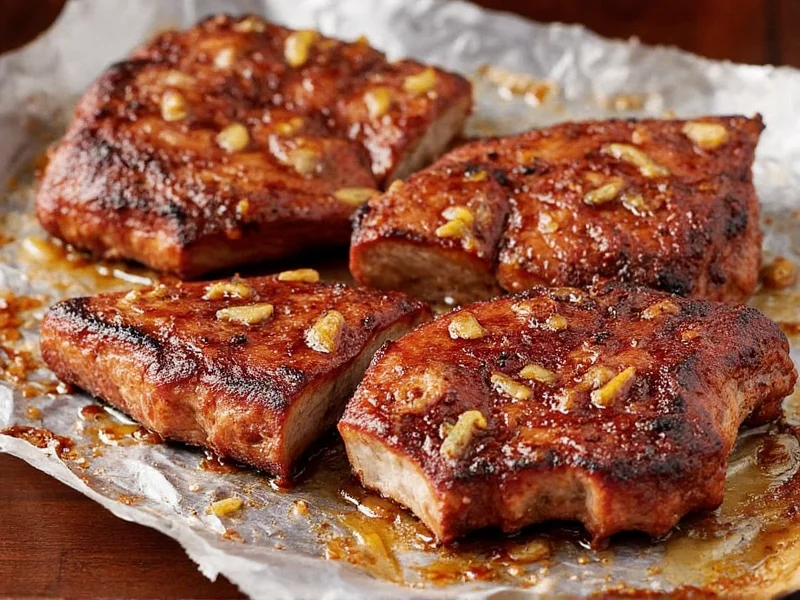
The most effective spritz solutions for ribs typically combine apple juice, apple cider vinegar, and water in a 1:1:1 ratio. Many pitmasters also add flavor enhancers like Worcestershire sauce, hot sauce, or melted butter. Spritz every 30-60 minutes after the first 90 minutes of smoking to maintain moisture without washing off your rub.
When preparing ribs for barbecue, spritzing is a crucial technique that maintains moisture and develops flavor during the long smoking process. Unlike brisket or pork shoulder, ribs have less fat marbling, making them prone to drying out. The right spritz solution creates a delicate balance between moisture retention and bark formation—the flavorful, textured crust that defines exceptional barbecue.
Why Spritzing Matters for Perfect Ribs
Spritzing serves multiple purposes in rib preparation. The evaporative cooling effect lowers the surface temperature slightly, preventing the exterior from cooking too quickly while the interior reaches optimal tenderness. This temperature modulation helps maintain the collagen breakdown process essential for fall-off-the-bone texture. Additionally, the liquid solution dissolves and redistributes seasoning particles, creating a more uniform flavor profile across the entire rack.
Top Spritz Solutions Compared
| Spritz Solution | Ratio | Best For | Application Timing |
|---|---|---|---|
| Apple Juice Blend | 1:1:1 (juice:vinegar:water) | St. Louis cut ribs | After 90 minutes, every 45 minutes |
| Vinegar-Water Mix | 1:1 (vinegar:water) | Membrane-on ribs | After 2 hours, every 60 minutes |
| Beer-Based Solution | 2:1 (beer:apple juice) | Country-style ribs | After 60 minutes, every 30 minutes |
| Butter-Enhanced | 1:1:1 + 2 tbsp melted butter | Competition-style ribs | After 120 minutes, every 45 minutes |
Optimal Spritzing Technique for Different Rib Cuts
Spritzing requirements vary based on rib type. Baby back ribs, with their smaller bones and leaner composition, need more frequent spritzing—every 30 minutes after the initial 60 minutes. St. Louis cut ribs, being meatier, can handle spritzing every 45-60 minutes after the first 90 minutes. For spare ribs with the membrane intact, use a vinegar-heavy solution to help break down the tough membrane layer.
The temperature of your spritz solution matters more than many realize. Room temperature liquid works best—ice-cold spritz can cause the meat's surface to contract, while hot liquid might begin cooking the exterior prematurely. Always use a dedicated barbecue sprayer with an adjustable nozzle set to fine mist rather than stream for even coverage without disturbing your seasoning rub.
Common Spritzing Mistakes to Avoid
Many backyard barbecue enthusiasts make critical errors when spritzing ribs. Opening the smoker too frequently causes significant temperature fluctuations that extend cooking time. Limit spritzing to necessary intervals and work quickly when the lid is open. Another common mistake involves using sugary solutions too early in the cooking process, which can cause premature caramelization and burning.
The spritzing window matters significantly. Begin spritzing only after the initial crust has formed—typically 60-90 minutes into cooking. Spritzing too early washes away your dry rub and prevents proper bark development. Stop spritzing at least 45 minutes before finishing to allow the exterior to set properly. For the final hour, consider replacing spritzing with a mop sauce application for deeper flavor penetration.
Advanced Spritzing Strategies for Competition Results
Professional pitmasters often employ multi-stage spritzing approaches. During the first half of cooking, they use a vinegar-based solution to help tenderize and set the bark. In the middle phase, they switch to fruit juice blends for subtle sweetness. During the final hours, many transition to butter-enhanced spritzes that add richness without overwhelming the meat's natural flavor.
For those experimenting with different wood pairings, match your spritz ingredients to your smoking wood. Apple or cherry wood pairs beautifully with apple juice-based spritzes, while hickory benefits from darker liquids like stout beer or coffee-infused solutions. Mesquite smokers often use citrus-enhanced spritzes to cut through the strong wood flavor.
Special Dietary Considerations for Rib Spritzing
When accommodating dietary restrictions, several effective alternatives exist. For alcohol-free options, replace beer with non-alcoholic stout or mushroom broth. Those avoiding sugar can use diluted pickle juice or kombucha for the necessary acidity without sweetness. Vegan barbecue enthusiasts achieve excellent results with mushroom dashi or vegetable broth bases enhanced with liquid smoke.
Temperature control remains critical regardless of your spritz solution. Maintain your smoker between 225-250°F (107-121°C) throughout the cooking process. The internal temperature of properly cooked ribs should reach 195-203°F (90-95°C), at which point the collagen has fully converted to gelatin for that perfect tender-but-not-falling-apart texture.




 浙公网安备
33010002000092号
浙公网安备
33010002000092号 浙B2-20120091-4