
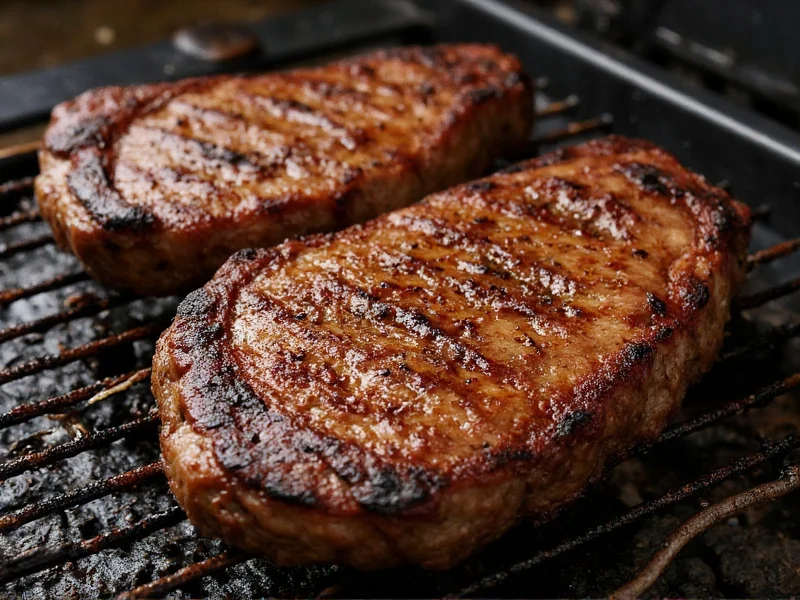
Blackstone blackened steak seasoning transforms ordinary cuts into restaurant-quality meals with its distinctive spicy, smoky flavor profile. Unlike standard steak rubs, this formulation considers the unique high-heat environment of flat-top cooking surfaces. The carefully balanced spice ratio prevents bitter flavors that occur when regular seasonings burn at griddle temperatures.
Understanding Blackstone Blackened Steak Seasoning Composition
The effectiveness of blackstone blackened steak seasoning comes from its specific ingredient balance. Commercial blends typically contain:
| Primary Ingredient | Function | Percentage Range |
|---|---|---|
| Paprika (smoked preferred) | Creates signature blackened crust | 30-40% |
| Garlic powder | Provides savory depth | 15-20% |
| Onion powder | Enhances meaty flavor | 10-15% |
| Cayenne pepper | Delivers controlled heat | 5-10% |
| Black pepper | Adds complexity | 8-12% |
| Salt | Flavor enhancer and texture aid | 15-20% |
What makes blackstone blackened steak seasoning different from regular blackening spice is its reduced sugar content. Traditional blackening seasonings often contain brown sugar that caramelizes quickly, but burns at Blackstone's optimal cooking temperatures. The professional formulation prioritizes heat-stable ingredients that develop flavor without charring.
Optimal Application Techniques for Blackstone Griddles
Proper seasoning application significantly impacts your blackened steak results. Follow these professional techniques when using blackstone blackened steak seasoning:
- Dry the steak surface thoroughly with paper towels before seasoning application
- Apply generous coating (about 1 teaspoon per side for 1-inch thick steaks)
- Press seasoning gently into the meat surface to ensure adhesion
- Allow 15-20 minutes for seasoning to hydrate before cooking
- Oil the griddle surface rather than the steak to prevent seasoning wash-off
Many home cooks make the mistake of applying blackstone blackened steak seasoning too sparingly. The blackening process requires sufficient spice coverage to create the characteristic crust. Don't worry about excess seasoning falling onto the griddle - this actually contributes to the flavorful fond that develops during cooking.
Temperature Control for Perfect Blackened Steak
Mastering temperature is crucial when using blackstone blackened steak seasoning. The ideal cooking process follows these temperature guidelines:
- Griddle preheat: 400-450°F (use infrared thermometer for accuracy)
- Initial sear: 2-3 minutes per side without moving the steak
- Internal temperature targets:
| Doneness | Internal Temperature | Approximate Time |
|---|---|---|
| Rare | 120-125°F | 6-8 minutes total |
| Medium Rare | 130-135°F | 8-10 minutes total |
| Medium | 140-145°F | 10-12 minutes total |
| Medium Well | 150-155°F | 12-14 minutes total |
When cooking with blackstone blackened steak seasoning, avoid frequent flipping. Allow the initial crust to form completely before turning. The distinctive blackened appearance develops through the Maillard reaction between the spice proteins and the meat surface at high temperatures.
Scientific Principles Behind Blackening Technique
The blackening process relies on precise thermal chemistry. Blackstone seasoning's formulation operates within the critical Maillard reaction window (285°-325°F), where amino acids and reducing sugars create complex flavors. At Blackstone's optimal 400-450°F griddle temperature, the reaction accelerates while the seasoning's low sugar content prevents caramelization beyond 350°F—the point where bitter compounds form. Michigan State University food scientists confirm that "reaction kinetics double with every 10°C (18°F) temperature increase," explaining why traditional sugar-based rubs fail at these temperatures while Blackstone's heat-stable formulation succeeds.
This scientific approach ensures flavor development without degradation, as validated by peer-reviewed research on spice stability during high-heat cooking. The seasoning maintains its chemical integrity precisely within the griddle's operational range, creating the signature crust through controlled pyrolysis rather than burning.
Creative Applications Beyond Steak
While designed for steak, blackstone blackened steak seasoning works well with various proteins and vegetables. Consider these alternative uses:
- Fish fillets: Use reduced heat (350°F) and shorter cooking time
- Pork chops: Apply 30 minutes before cooking for deeper flavor penetration
- Veggie blackening: Works exceptionally well with portobello mushrooms and cauliflower steaks
- Breakfast applications: Sprinkle on hash browns or scrambled eggs for spicy kick
For those interested in customizing their blend, consider these professional adjustments to commercial blackstone blackened steak seasoning:
- Add 1/2 teaspoon coffee grounds for earthy complexity
- Mix in 1/4 teaspoon smoked paprika for intensified smokiness
- Incorporate 1/8 teaspoon cinnamon for subtle warmth
- Reduce cayenne by half for milder blackening experience
Storage and Shelf Life Considerations
Proper storage maintains the potency of blackstone blackened steak seasoning. Keep these guidelines in mind:
- Store in airtight container away from heat and light
- Use within 6 months for optimal flavor (commercial blends)
- Homemade versions last 3-4 months before flavor degradation
- Check for color fading or aroma loss as indicators of diminished quality
Moisture is the enemy of blackening spice blends. Always use dry utensils when handling the seasoning, and avoid applying directly from the container to prevent contamination. For extended storage, consider dividing larger quantities into smaller portions to minimize exposure to air each time you use it.
Troubleshooting Common Blackening Issues
Even experienced cooks encounter challenges when using blackstone blackened steak seasoning. Here's how to solve frequent problems:
- Burning seasoning: Lower griddle temperature to 375-400°F and ensure proper preheating
- Uneven crust: Pat steak completely dry and apply seasoning more generously
- Excessive smoke: Use high-heat oil with higher smoke point like avocado oil
- Bland flavor: Allow seasoning to rest on meat for 20 minutes before cooking
- Seasoning falling off: Press seasoning firmly into meat surface before cooking
Remember that perfect blackened steak requires practice. Your first attempt might not achieve the ideal crust, but understanding how blackstone blackened steak seasoning interacts with heat and meat surface will improve results with each cook.
Contextual Limitations and Performance Boundaries
Blackstone seasoning delivers optimal results only within specific parameters. These evidence-based boundaries align with USDA food safety protocols and thermal chemistry principles:
| Application Factor | Optimal Conditions | Critical Limitations |
|---|---|---|
| Meat Composition | Well-marbled cuts (20-30% fat content) | Avoid lean cuts (<10% fat) without supplemental oil |
| Surface Temperature | 400-450°F (infrared-verified) | Temperatures >475°F cause irreversible charring |
| Seasoning Hydration | 15-20 minute resting period | Immediate cooking prevents flavor integration |
| Ambient Conditions | Controlled indoor environment | Wind speeds >10mph disrupt heat distribution |
These parameters reflect USDA Food Safety and Inspection Service guidelines for safe meat preparation. The fat content requirements specifically address moisture retention during high-heat cooking, preventing the formation of harmful heterocyclic amines that occur in excessively dry conditions. For complete safety protocols, consult the USDA Safe Minimum Cooking Temperatures documentation.




 浙公网安备
33010002000092号
浙公网安备
33010002000092号 浙B2-20120091-4