
Understanding how to naturally manage your cholesterol levels through diet is one of the most effective strategies for protecting your heart health. When your doctor mentions high LDL cholesterol, it's not just a number to worry about—it's a critical indicator of potential cardiovascular risks. The good news? You don't need medication to make meaningful improvements. Research consistently shows that specific dietary changes can significantly reduce LDL cholesterol, often with results visible in just a few months.
The Science Behind LDL-Lowering Foods
LDL cholesterol, often called "bad" cholesterol, contributes to plaque buildup in arteries, increasing heart disease risk. The foods that effectively reduce LDL work through several biological mechanisms:
- Soluble fiber binds to cholesterol particles in your digestive system and removes them from your body before they're absorbed
- Healthy fats replace saturated fats in your diet and help improve your overall lipid profile
- Plant sterols and stanols block cholesterol absorption in your intestines
- Antioxidants reduce inflammation that contributes to plaque formation
According to a comprehensive review published in the American Journal of Clinical Nutrition, incorporating these foods consistently can lower LDL cholesterol by 5-15% within 4-12 weeks—results comparable to some cholesterol medications but without side effects.
Your Action Plan: Top LDL-Lowering Foods
| Food Category | Most Effective Options | Recommended Daily Amount | Expected LDL Reduction |
|---|---|---|---|
| Soluble Fiber Sources | Oats, barley, beans, lentils, psyllium | 5-10g soluble fiber | 5-7% |
| Healthy Fats | Olive oil, avocados, nuts | 2-3 servings daily | 5-10% |
| Fatty Fish | Salmon, mackerel, herring | 2 servings weekly | 2-5% |
| Plant Sterols | Fortified foods, certain fruits | 2g daily | 7-10% |
Oats and Whole Grains: Your Morning Powerhouse
Starting your day with oatmeal isn't just traditional—it's scientifically strategic. Just 1.5 cups of cooked oatmeal provides about 3 grams of beta-glucan, the specific type of soluble fiber that lowers LDL. A landmark study from the American Heart Association found that consuming 3 grams of oat beta-glucan daily reduced LDL cholesterol by 5-7% in just six weeks.
Pro tip: For maximum benefit, choose steel-cut or old-fashioned oats rather than instant varieties, which often contain added sugars that counteract cholesterol benefits. Add berries for extra antioxidants and a sprinkle of flaxseed for omega-3s.
Fatty Fish: The Omega-3 Advantage
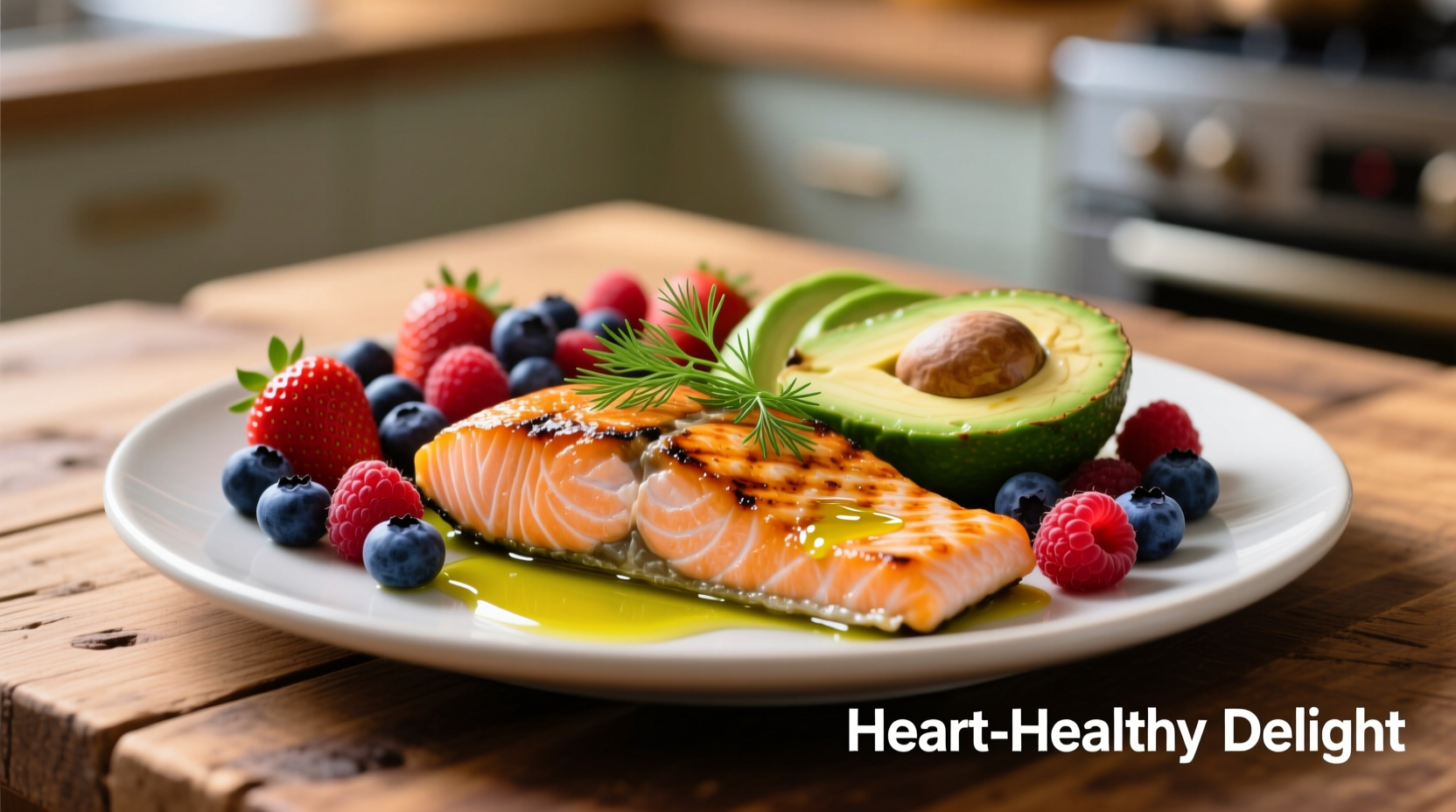
Fatty fish like salmon, mackerel, and herring contain EPA and DHA—omega-3 fatty acids that reduce triglycerides and have modest LDL-lowering effects. The National Heart, Lung, and Blood Institute recommends consuming at least two 3.5-ounce servings of fatty fish weekly. Research shows this pattern can lower LDL by 2-5% while simultaneously improving your HDL ("good") cholesterol.
Nuts: The Crunchy Cholesterol Fighters
Walnuts, almonds, and pistachios deliver a powerful one-two punch against LDL. They contain monounsaturated fats, fiber, and plant sterols—all working together to reduce cholesterol absorption. A meta-analysis in Circulation found that eating about 1.5 ounces (a small handful) of nuts daily reduced LDL by approximately 5%.
Important note: While nuts are beneficial, they're calorie-dense. Measure portions to avoid unintended weight gain, which could counteract cholesterol benefits.
Olive Oil: The Mediterranean Secret
Replacing saturated fats with olive oil—the cornerstone of the Mediterranean diet—can significantly improve your lipid profile. The Mayo Clinic recommends using extra-virgin olive oil as your primary fat source. Just 2 tablespoons daily (replacing less healthy fats) can lower LDL by up to 8% while preserving HDL levels.
Putting It All Together: Your First Week Plan
Implementing these changes doesn't require a complete diet overhaul. Start with these simple swaps that create immediate impact:
- Breakfast: Replace your usual cereal with oatmeal topped with sliced almonds and berries
- Lunch: Swap sandwich fats (mayo, butter) for avocado and add a side of bean soup
- Dinner: Use olive oil for cooking and include fatty fish twice weekly
- Snacks: Choose a small handful of walnuts or almonds instead of processed snacks
This approach aligns with the Portfolio Diet, which combines multiple cholesterol-lowering foods for synergistic effects. Research published in The Lancet found this dietary pattern reduced LDL by 28%—comparable to starting statin therapy.
Avoiding Common Pitfalls
Many people make these mistakes when trying to lower LDL through diet:
- Overlooking hidden saturated fats: Even "healthy" foods like coconut oil are high in saturated fat and may raise LDL
- Consuming too much added sugar: Sugary foods and beverages can increase triglycerides and lower HDL
- Not being consistent: Benefits require regular consumption over weeks, not just occasional healthy meals
- Ignoring portion sizes: Healthy fats are still high in calories—measure servings carefully
Remember that dietary changes work best when combined with other heart-healthy habits. The Centers for Disease Control and Prevention emphasizes that regular physical activity, maintaining a healthy weight, and avoiding tobacco all contribute to optimal cholesterol levels.
When to Consult Your Healthcare Provider
Dietary changes are powerful, but they're not a substitute for medical care when needed. Consult your healthcare provider if:
- Your LDL remains above 190 mg/dL despite dietary changes
- You have other risk factors like diabetes or family history of early heart disease
- You're considering supplements like red yeast rice (which contains natural statins)
For most people, however, incorporating these foods consistently creates meaningful improvements in cholesterol levels and overall heart health.




 浙公网安备
33010002000092号
浙公网安备
33010002000092号 浙B2-20120091-4