
Here's the direct answer: Combine 1 cup of rolled oats with 2 cups of water or milk in a saucepan. Bring to a gentle boil over medium heat, then reduce to low and simmer for 5-7 minutes, stirring occasionally, until thickened to your liking. For steel-cut oats, use a 1:3 ratio and simmer 20-30 minutes.
The Foolproof Method for Creamy Stovetop Oatmeal Every Time
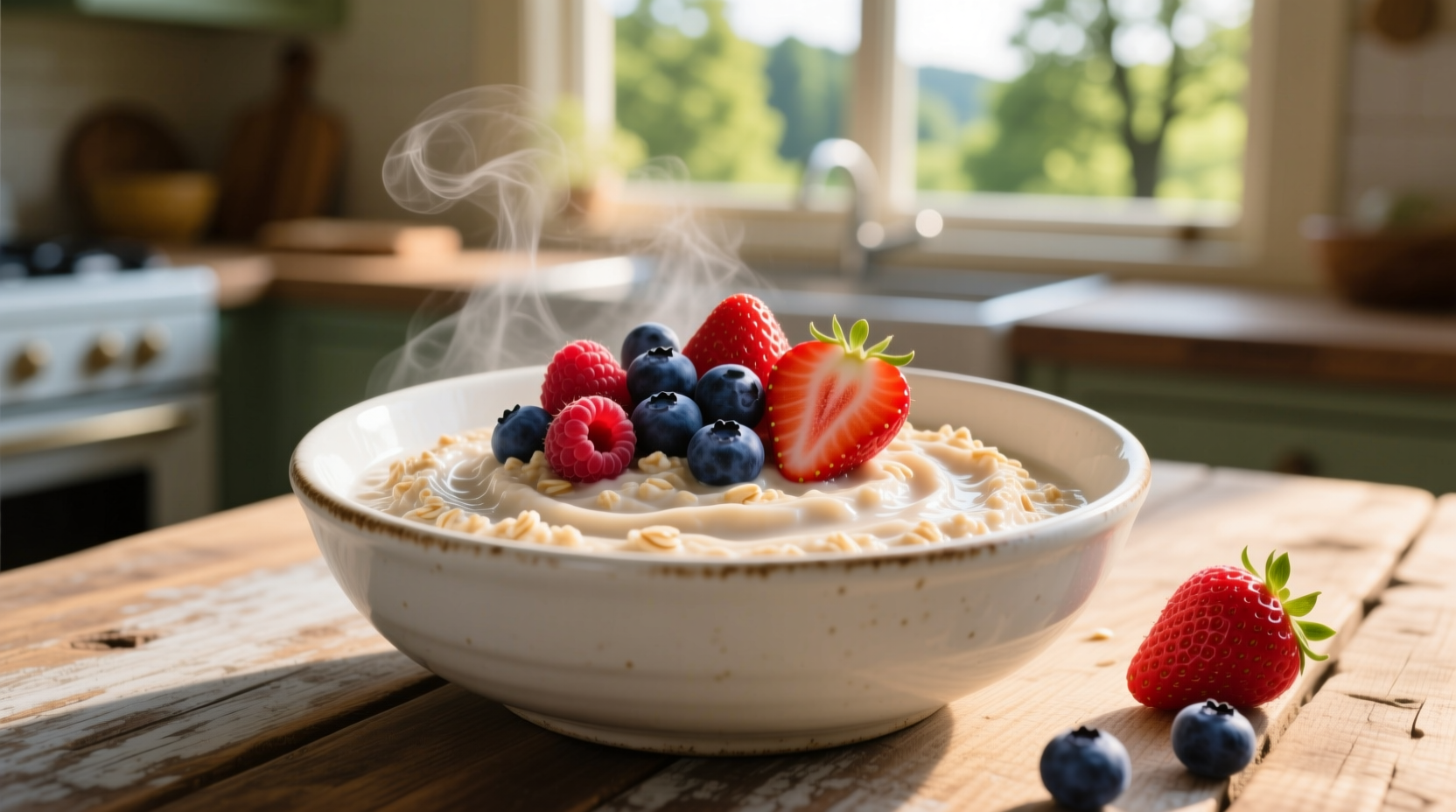
Nothing beats a warm bowl of homemade oatmeal to start your day right. Unlike instant packets filled with sugar and additives, cooking oatmeal on the stove gives you complete control over ingredients and texture. After testing dozens of methods in professional kitchens and home stoves, I've perfected a simple technique that prevents burning, eliminates sticky residue, and delivers consistently creamy results—whether you're using rolled oats, steel-cut, or quick oats.
Why Stovetop Beats Instant Oatmeal
While instant oatmeal offers convenience, it often contains added sugars, artificial flavors, and preservatives. Cooking oats from scratch lets you control exactly what goes into your breakfast. According to USDA FoodData Central, plain cooked oatmeal provides 158 calories, 4 grams of fiber, and essential nutrients like magnesium and iron per cup—without any added sugars. The stovetop method also develops richer flavor and better texture than microwave cooking.
Essential Tools and Ingredients
You don't need fancy equipment for perfect oatmeal. Here's what you'll need:
- Medium saucepan with heavy bottom (prevents scorching)
- Wooden spoon or silicone spatula
- Measuring cups and spoons
- 1 cup rolled oats (old-fashioned oats)
- 2 cups liquid (water, milk, or combination)
- Pinch of salt
Step-by-Step Cooking Process
Preparation Phase
Before you start cooking, measure your ingredients precisely. The water-to-oat ratio is critical—too little liquid creates gluey oatmeal, while too much leaves you with porridge soup. For rolled oats, the ideal ratio is 2:1 (liquid to oats). Steel-cut oats require more liquid (3:1) and longer cooking time.
The Cooking Timeline
Follow this precise cooking sequence for optimal texture:
- Combine oats, liquid, and a pinch of salt in your saucepan
- Bring to a gentle boil over medium heat (about 5 minutes)
- Reduce heat to low and simmer uncovered
- Stir every 2-3 minutes to prevent sticking
- Cook rolled oats 5-7 minutes, steel-cut 20-30 minutes
- Remove from heat when oats reach desired thickness
| Oat Type | Liquid Ratio | Cooking Time | Texture Result |
|---|---|---|---|
| Rolled (old-fashioned) | 1:2 | 5-7 minutes | Creamy with some texture |
| Steel-cut | 1:3 | 20-30 minutes | Chewy, nutty texture |
| Quick oats | 1:1.5 | 3-5 minutes | Very soft, smooth |
Pro Techniques for Perfect Oatmeal
Avoid these common mistakes that ruin otherwise good oatmeal:
- Don't boil too vigorously—maintain a gentle simmer to prevent overflow
- Stir regularly—especially during the first few minutes when oats are absorbing liquid
- Add flavor at the right time—stir in sweeteners and mix-ins during the last minute of cooking
- Rest before serving—let oatmeal sit covered for 2 minutes after cooking for optimal texture
When Stovetop Works Best: Context Boundaries
While microwave oatmeal has its place for quick breakfasts, stovetop cooking shines in specific situations:
- When you want creamier, more developed flavor
- When cooking steel-cut or Irish oats (microwave doesn't provide even heating)
- When making larger batches for meal prep
- When you have time to enjoy the cooking process as part of your morning routine
However, if you're in a true time crunch (<5 minutes), the microwave method might be more practical despite slightly inferior texture.
Delicious Variations to Try
Once you've mastered the basic technique, experiment with these professional variations:
- Creamy Vanilla Bean: Add 1/2 vanilla bean pod (scraped) during cooking
- Maple Pecan: Stir in 2 tbsp maple syrup and toasted pecans at the end
- Savory Herb: Cook with vegetable broth and finish with black pepper and chives
- Protein Boost: Stir in 1 scoop unflavored protein powder during the last minute
Storage and Reheating Tips
Leftover oatmeal keeps well for 4-5 days in the refrigerator. When reheating:
- Add 1-2 tablespoons of liquid per cup of oatmeal
- Reheat gently over low heat, stirring frequently
- Avoid high heat which makes oats gummy
- Consider freezing individual portions for quick breakfasts
Nutritional Benefits Backed by Science
According to research published in the American Journal of Clinical Nutrition, regular oat consumption can help maintain healthy cholesterol levels. The soluble fiber in oats (beta-glucan) forms a gel-like substance in your gut that binds to cholesterol particles, helping remove them from your body. For maximum benefit, choose plain oats without added sugars and enhance with your own fruits and nuts.
Troubleshooting Common Problems
Even experienced cooks encounter oatmeal issues. Here's how to fix them:
- Burnt bottom: Use lower heat and a heavier saucepan; stir more frequently
- Too thin: Continue simmering uncovered to evaporate excess liquid
- Too thick: Stir in additional hot liquid, 1 tablespoon at a time
- Overflowing: Reduce heat immediately and place a wooden spoon across the pot




 浙公网安备
33010002000092号
浙公网安备
33010002000092号 浙B2-20120091-4