
If you're trying to figure out where your EBT card works for food purchases, you've landed in the right place. This guide cuts through the confusion about where EBT is accepted, clarifying exactly which food places take EBT—whether you're shopping for groceries or need meal options as an eligible individual. We'll cover the essential facts, official resources, and practical tools to help you maximize your benefits without frustration.
Understanding EBT and SNAP: What You Can Actually Use Your Benefits For
Before diving into specific locations, it's crucial to understand the fundamental distinction between regular SNAP benefits and the Restaurant Meal Program. Many people mistakenly believe EBT works like a regular debit card at any food establishment, but the rules are very specific.
SNAP (Supplemental Nutrition Assistance Program) benefits, accessed through your EBT card, are primarily designed for purchasing groceries at authorized retailers. The Restaurant Meal Program (RMP) is a separate, limited initiative that allows certain eligible individuals to use their benefits at participating restaurants—but this program isn't available nationwide and has strict eligibility requirements.
| Benefit Type | What It Covers | Where It's Accepted | Eligibility Requirements |
|---|---|---|---|
| Regular SNAP Benefits | Groceries for home preparation | Grocery stores, supermarkets, farmers markets | Income and resource limits apply |
| Restaurant Meal Program | Hot, prepared meals | Participating restaurants in select states | Must be elderly (60+), disabled, or homeless |
Grocery Stores That Accept EBT Nationwide
The good news is that most major grocery chains and many smaller markets accept EBT for SNAP benefits. This includes:
- Walmart and Sam's Club (both physical stores and online with SNAP-eligible items)
- Kroger and its regional banners (Fred Meyer, Ralphs, Smith's)
- Albertsons Companies (Safeway, Vons, Jewel-Osco)
- Target (for SNAP-eligible food items)
- Food Lion, Publix, Meijer, and regional supermarket chains
- Many local farmers markets through the SNAP Market Match programs
According to the USDA Food and Nutrition Service, more than 500,000 retail locations nationwide accept SNAP benefits. This includes traditional grocery stores, convenience stores that primarily sell food, and even some online retailers for specific eligible items.
Finding EBT-Accepting Grocery Stores Near You
The most reliable way to find EBT-accepting locations is through the official USDA SNAP retailer locator tool. This database is updated monthly and includes:
- Full grocery stores and supermarkets
- Convenience stores that sell staple foods
- Authorized farmers markets
- Some online grocery services
To use the USDA SNAP retailer locator:
- Visit the USDA SNAP retailer locator
- Enter your address or ZIP code
- View a map of nearby authorized retailers
- Filter by store type if needed
Many states also offer mobile apps that integrate with the national database, providing real-time location information and even directions to the nearest EBT-accepting stores. Some grocery chains have also added EBT acceptance indicators in their own store locator tools.
Restaurant Meal Program: When EBT Works at Restaurants
This is where most confusion arises. The Restaurant Meal Program (RMP) is a special provision that allows certain SNAP recipients to use their benefits at participating restaurants, but it's not available everywhere and has strict eligibility requirements.
RMP exists because some individuals face challenges preparing meals at home. The program is available in select states for people who are:
- 60 years of age or older
- Physically disabled (as defined by SNAP)
- Homeless (without permanent housing)
As of 2025, the Restaurant Meal Program operates in nine states: Arizona, California, Florida, Hawaii, Maryland, Michigan, Rhode Island, Virginia, and Massachusetts. Each state manages its own program with slightly different rules and participating restaurants.
If you're eligible for RMP, you'll need to apply through your state's SNAP office. Approved participants receive separate benefits specifically for restaurant meals, while still maintaining regular grocery benefits.
Common Misconceptions About EBT at Food Establishments
Several myths persist about where EBT can be used. Let's clarify the most common misunderstandings:
- Myth: All restaurants accept EBT
Fact: Only specific restaurants in states with the Restaurant Meal Program accept EBT, and only for eligible individuals - Myth: You can use EBT for hot prepared foods anywhere
Fact: Regular SNAP benefits cannot be used for hot, ready-to-eat foods except through RMP - Myth: Fast food chains generally accept EBT
Fact: Only specific participating restaurants in RMP states accept EBT, not national fast food chains broadly
It's important to understand that EBT benefits follow strict federal guidelines. The program is designed to provide nutritional assistance, not function as general spending money. This is why prepared restaurant meals are limited to specific circumstances through the Restaurant Meal Program.
Practical Tips for Using EBT at Food Establishments
Whether you're shopping for groceries or using the Restaurant Meal Program, these tips will help ensure smooth transactions:
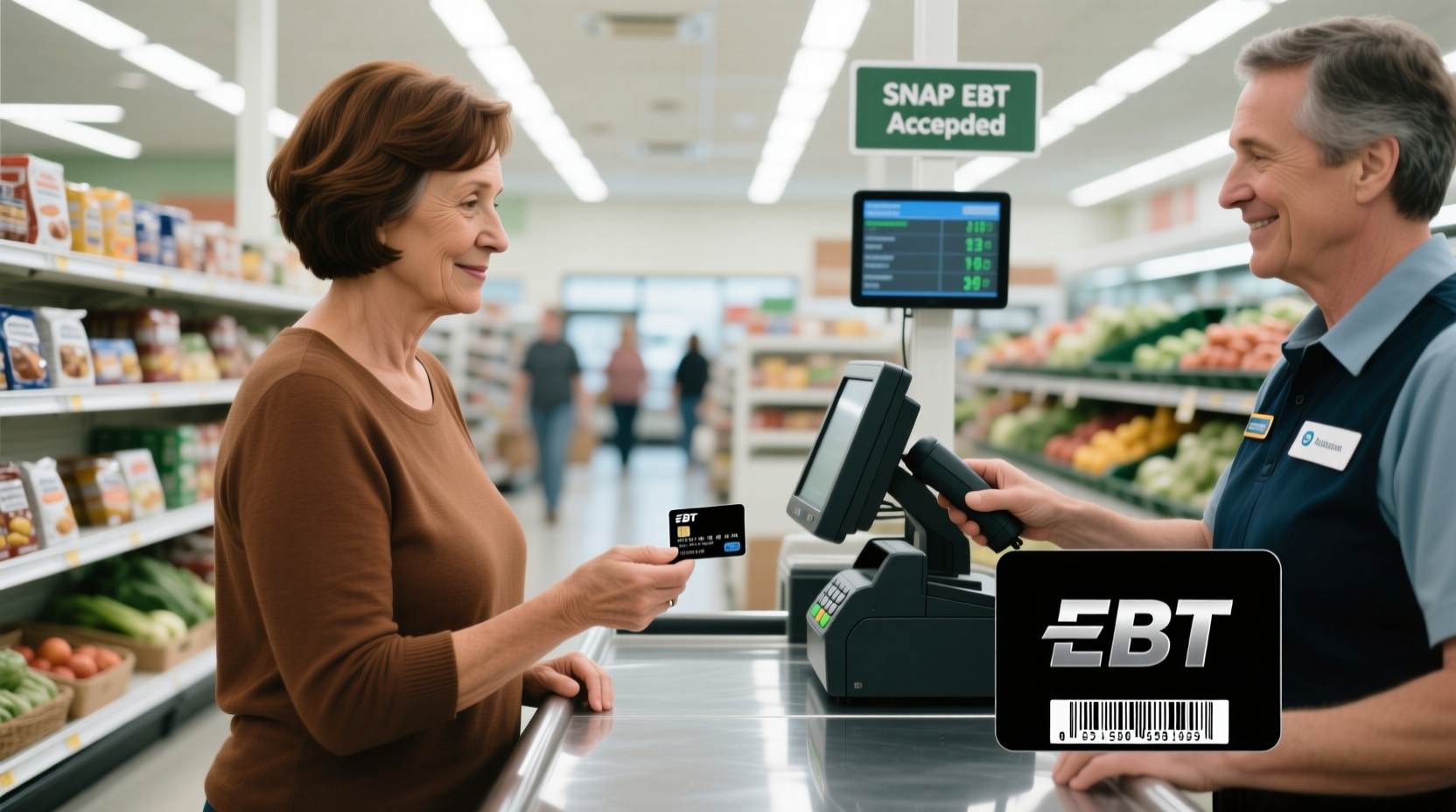
- Look for the EBT acceptance sign – Authorized retailers typically display official signage at entrances
- Verify before ordering – If using RMP, confirm the restaurant participates before placing your order
- Separate transactions – At convenience stores, you may need to separate SNAP-eligible and non-eligible items
- Keep your PIN secure – Treat your EBT card like cash and never share your PIN
- Check your balance regularly – Most states offer online portals or toll-free numbers to check balances
If your EBT card is declined at an establishment that should accept it, contact your state's EBT customer service immediately. They can verify if the retailer is still authorized and help resolve technical issues.
Resources for EBT Users
Stay informed with these official resources:
- USDA SNAP Program Website – Official federal information about SNAP benefits
- USDA SNAP Retailer Locator – Find authorized grocery stores nationwide
- Your state's SNAP agency website – For state-specific rules and Restaurant Meal Program information
- 211 helpline – Connects to local food resources and assistance programs
Remember that program details can change, so always verify information through official channels rather than social media posts or word of mouth, which often spread misinformation about EBT acceptance.
EBT Program Evolution Timeline
The EBT system has evolved significantly since its introduction. Understanding this timeline helps clarify why certain rules exist today:
- 1982: First EBT pilot program launched in Ohio
- 1996: Congress mandated nationwide transition from paper food stamps to EBT
- 2004: EBT system fully implemented across all states
- 2019: USDA expanded online grocery purchasing options for SNAP recipients
- 2022: Several states expanded Restaurant Meal Program eligibility during pandemic recovery
- 2025: Nine states currently operate Restaurant Meal Programs with varying eligibility rules
This evolution reflects ongoing efforts to balance accessibility with program integrity, ensuring benefits reach those who need them while preventing misuse.
Can I use EBT at McDonald's or other fast food restaurants?
Only in states with the Restaurant Meal Program (Arizona, California, Florida, Hawaii, Maryland, Michigan, Rhode Island, Virginia, and Massachusetts) and only if you're eligible (elderly, disabled, or homeless). Most McDonald's locations do not accept EBT, even in these states—only specific participating restaurants do.
Why don't most restaurants accept EBT?
Federal law restricts SNAP benefits to food for home preparation. The Restaurant Meal Program is a limited exception for specific vulnerable populations in select states. Most restaurants aren't authorized because SNAP's primary purpose is to help people buy groceries to prepare at home.
Can I use EBT for food delivery services like DoorDash or UberEats?
Not for restaurant meals. However, some grocery delivery services like Amazon Fresh, Walmart Grocery, and Target Shipt accept EBT for SNAP-eligible grocery items in participating areas. You cannot use EBT for delivery fees or tips.
How do I know if a store accepts EBT?
Look for official signage at the entrance or checkout, use the USDA SNAP retailer locator tool online, or ask store staff. Most major grocery chains accept EBT, but smaller convenience stores may only accept it if they primarily sell food items.
What food items can I purchase with EBT?
You can buy breads, cereals, fruits, vegetables, meats, fish, poultry, dairy products, seeds and plants that produce food. You cannot use EBT for alcohol, tobacco, hot foods, vitamins, medicines, or non-food items. Some states have special programs for farmers markets with matching benefits.




 浙公网安备
33010002000092号
浙公网安备
33010002000092号 浙B2-20120091-4