
If you've ever wondered whether that refreshing ginger ale in your glass contains carbonation, you've come to the right place. Understanding the carbonation status of ginger ale matters whether you're selecting beverages for digestive comfort, mixing cocktails, or managing dietary restrictions. Let's explore exactly what makes ginger ale carbonated and how this affects its taste, uses, and health properties.
The Science Behind Ginger Ale's Fizz
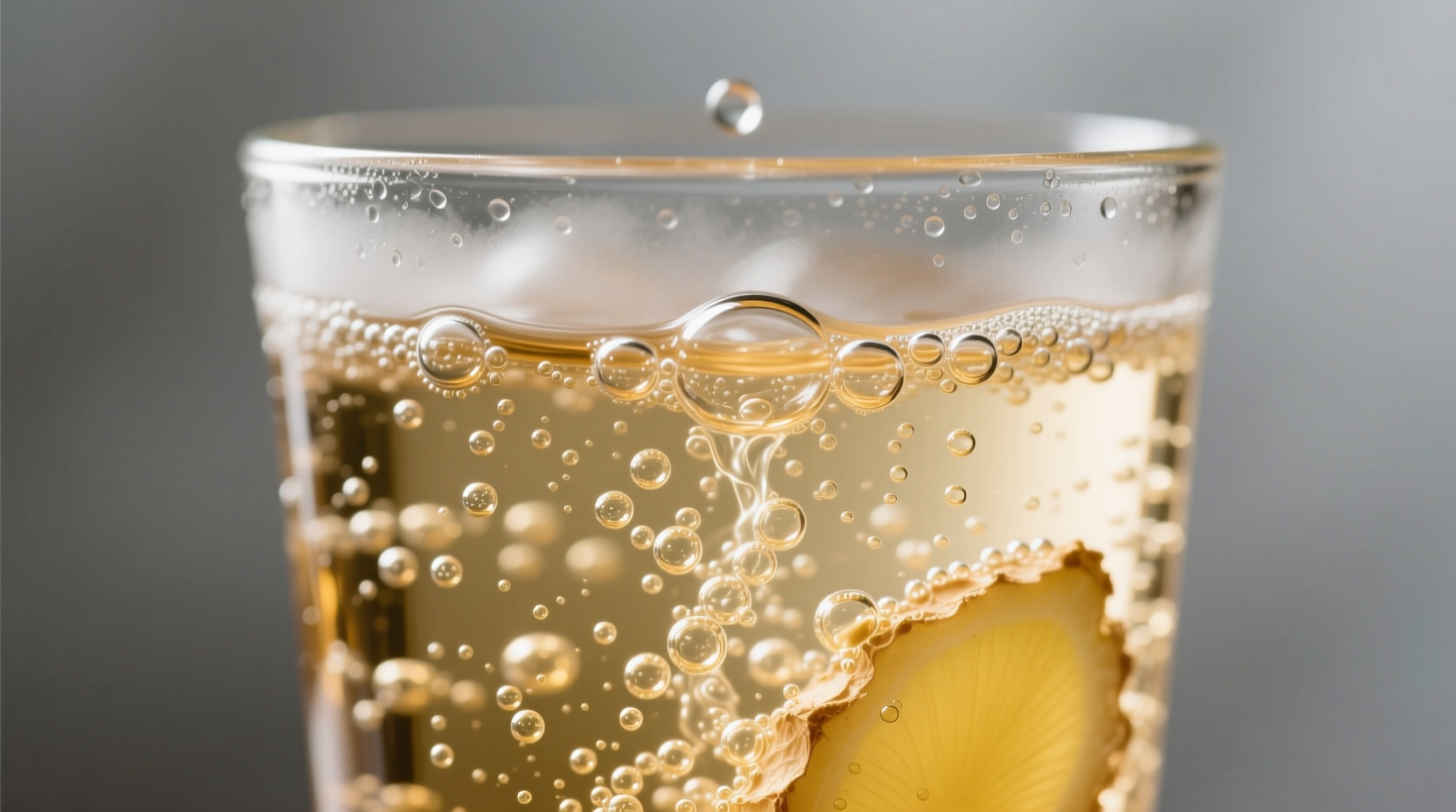
Ginger ale achieves its characteristic bubbles through carbonation—the process of dissolving carbon dioxide (CO₂) under pressure into the liquid. During manufacturing, producers inject CO₂ into the ginger-flavored syrup mixture, creating the effervescence that defines this popular soft drink. The carbonation level in commercial ginger ale typically ranges from 2.5 to 3.5 volumes of CO₂ per volume of liquid, placing it in the moderate carbonation category compared to other sodas.
This carbonation serves multiple purposes: it enhances the ginger's spicy notes, creates a refreshing mouthfeel, and helps preserve the beverage. Unlike flat ginger drinks, the bubbles in ginger ale stimulate saliva production, which is why many people reach for it when experiencing nausea or digestive discomfort.
Ginger Ale vs. Ginger Beer: Understanding the Carbonation Difference
While both beverages feature ginger as their primary flavor, their carbonation processes differ significantly. Here's how they compare:
| Feature | Ginger Ale | Ginger Beer |
|---|---|---|
| Carbonation Method | Forced carbonation (CO₂ injection) | Natural carbonation (yeast fermentation) |
| Carbonation Level | Moderate (2.5-3.5 volumes) | Higher (3.0-4.0 volumes) |
| Ginger Content | Lower (0.1-0.5%) | Higher (1-2%) |
| Production Time | Days | Weeks |
| Alcohol Content | Negligible (non-alcoholic) | Up to 0.5% (naturally occurring) |
This comparison reveals why ginger beer typically has a stronger ginger flavor and more intense carbonation than ginger ale. The natural fermentation process in traditional ginger beer creates both carbonation and subtle complexity that forced carbonation cannot replicate.
Historical Evolution of Carbonated Ginger Beverages
The journey of ginger ale from medicinal tonic to carbonated soft drink spans centuries:
- 1840s: Canadian pharmacist John McLaughlin creates "Pale Dry Ginger Ale" using natural fermentation, establishing the template for modern ginger ale
- 1850s: Carbonation technology advances with the invention of the soda fountain, allowing for consistent forced carbonation
- 1880s: Commercial production shifts from natural fermentation to forced carbonation for consistency and shelf stability
- 1900s: Ginger ale becomes popular as a mixer and digestive aid, with carbonation levels standardized across brands
- 2000s: Craft soda movement revives interest in naturally carbonated ginger beverages with higher ginger content
According to the U.S. Food and Drug Administration's labeling guidelines, any beverage labeled as "ginger ale" must contain carbonation to distinguish it from non-carbonated ginger drinks. This regulatory distinction confirms carbonation as an essential characteristic of the product category.
When Carbonation Matters: Practical Considerations
Understanding ginger ale's carbonation status becomes crucial in several scenarios:
Digestive Health Applications
The carbonation in ginger ale creates a dual-action effect for digestive comfort. The bubbles stimulate gastric activity while the ginger soothes the stomach lining. Research published in the European Review for Medical and Pharmacological Sciences indicates that carbonated ginger beverages may provide more immediate relief for nausea than non-carbonated alternatives due to the combined effect of carbonation and ginger compounds.
Cocktail Mixing Requirements
Professional bartenders emphasize that the carbonation level in ginger ale significantly impacts cocktail texture and flavor release. For classic drinks like the Moscow Mule, the carbonation helps distribute flavors evenly and creates the desired mouthfeel. Using a non-carbonated ginger syrup would fundamentally alter the drink's character.
Dietary Restrictions and Preferences
For individuals with certain digestive conditions like irritable bowel syndrome (IBS), the carbonation in ginger ale might cause discomfort despite the ginger's benefits. In these cases, healthcare providers often recommend flat ginger tea as an alternative. The International Foundation for Gastrointestinal Disorders notes that carbonation can trigger symptoms in sensitive individuals, making this distinction important for those managing digestive health.
Reading Labels: Identifying Properly Carbonated Ginger Ale
When shopping for authentic ginger ale, check for these indicators of proper carbonation:
- "Carbonated water" listed as the first ingredient
- References to "effervescent" or "sparkling" on the label
- Storage instructions indicating refrigeration after opening (due to carbonation loss)
- Bottle or can design with pressure-resistant construction
Be cautious of products labeled as "ginger drink" or "ginger beverage" without the "ale" designation, as these may be non-carbonated alternatives. The presence of carbon dioxide in the ingredients list confirms carbonation, though some manufacturers simply list "carbonated water" as the base.
Conclusion: The Essential Role of Carbonation
Ginger ale's carbonation isn't just a superficial characteristic—it's fundamental to the beverage's identity, functionality, and consumer experience. Whether you're reaching for it as a digestive aid, cocktail mixer, or refreshing beverage, understanding that ginger ale is inherently carbonated helps you make informed choices based on your needs and preferences. While non-carbonated ginger options exist for specific situations, they represent a different product category with distinct properties and uses.




 浙公网安备
33010002000092号
浙公网安备
33010002000092号 浙B2-20120091-4