
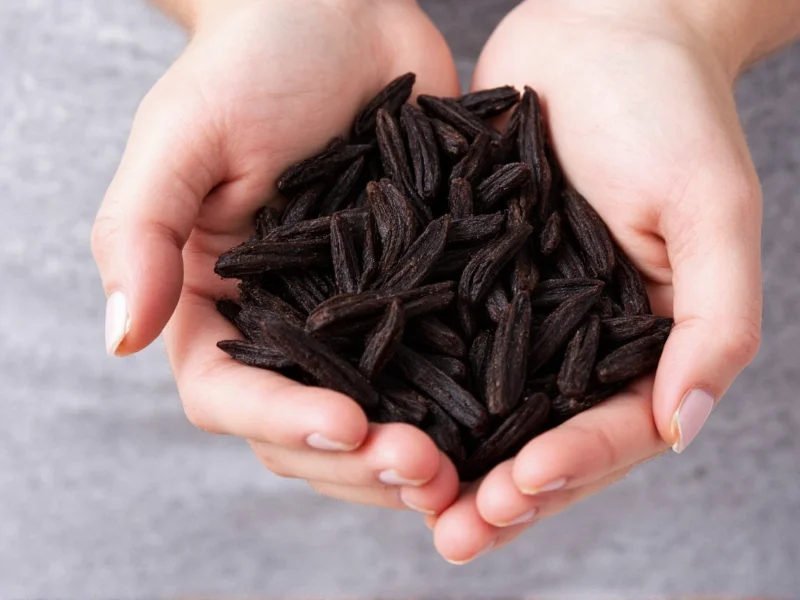
When you first taste liquorice, you'll immediately notice its intense sweetness balanced by a subtle bitterness. This unique flavor profile comes from glycyrrhizin, the active compound in licorice root that creates sweetness 30-50 times more potent than regular sugar. Unlike simple candy sweetness, liquorice delivers a complex sensory experience that evolves as you chew.
The Science Behind Liquorice Flavor
Glycyrrhizin, the key compound in liquorice root, interacts with your taste receptors in fascinating ways. It doesn't just trigger sweetness—it actually modifies your perception of other flavors. This explains why some people experience liquorice as having a cooling sensation similar to mint, while others detect more pronounced earthy or woody notes.
The distinctive anise-like flavor often associated with liquorice comes from anethole, the same compound found in anise seeds, fennel, and star anise. However, authentic liquorice contains actual licorice root extract, creating a more complex flavor profile than anise-flavored candies that merely mimic the taste.
Regional Variations in Liquorice Taste
Liquorice flavor varies dramatically across different regions, which explains why many people have such polarized reactions to what does black liquorice taste like. The table below shows key differences:
| Region | Primary Flavor Profile | Key Ingredients | Texture |
|---|---|---|---|
| North America | Sweet, mild anise | Anise oil (often no real liquorice) | Soft, chewy |
| Northern Europe | Salty-savory, intense | Liquorice extract, ammonium chloride | Firm, sometimes hard |
| Mediterranean | Earthy, herbal | Pure liquorice root extract | Variable, often chewy |
| Asia | Bitter-sweet, medicinal | Concentrated liquorice root | Hard, sometimes powdery |
Why Liquorice Divides Taste Preferences
The polarizing nature of liquorice stems from genetic differences in how we perceive certain compounds. Approximately 20% of the population has a genetic variation that makes glycyrrhizin taste overwhelmingly bitter rather than sweet. This explains why why does liquorice taste salty to some people while others experience pure sweetness.
Additionally, the aftertaste of liquorice can linger for minutes, creating a prolonged sensory experience unlike most candies. European 'salmiak' varieties contain ammonium chloride, which activates different taste receptors and creates that distinctive salty-savory profile that surprises many first-time tasters.
How Liquorice Flavor Evolves
One fascinating aspect of liquorice is how its flavor changes as you consume it. The initial taste is predominantly sweet, but as you continue chewing, the bitterness emerges and balances the sweetness. In salty varieties, the savory notes gradually intensify, creating a complex flavor journey.
This evolution explains why many people who initially dislike liquorice often develop a taste for it over time—their palates learn to appreciate the full flavor progression rather than just the initial impression. Understanding liquorice flavor profile explained helps demystify this transformation.
Common Misconceptions About Liquorice Taste
Many people confuse anise-flavored candies with authentic liquorice. True liquorice must contain extract from the Glycyrrhiza glabra plant root. In the United States, many "liquorice" candies actually contain little to no real liquorice root, instead relying on anise oil for flavor.
This distinction is crucial when trying to understand is liquorice supposed to taste like anise. While both share similar flavor compounds, authentic liquorice has additional earthy, woody notes that anise alone doesn't provide. The texture also differs significantly—real liquorice tends to be more substantial and less artificially sweet.
Food Pairings That Complement Liquorice Flavor
Liquorice's complex profile makes it surprisingly versatile in culinary applications. Chefs often pair it with:
- Strong cheeses like aged cheddar or blue cheese
- Dark chocolate (70% cacao or higher)
- Citrus fruits, particularly orange
- Smoked meats and game
- Coffee and stout beers
These pairings work because they either contrast or enhance different aspects of the liquorice flavor profile. For example, the bitterness of dark chocolate complements liquorice's sweetness, while citrus cuts through its intensity.
Understanding Your Reaction to Liquorice
If you're wondering why do I hate liquorice taste, you're not alone. Research shows that reactions to liquorice often fall into three categories:
- Immediate lovers (approximately 35% of people): Experience pure sweetness with pleasant herbal notes
- Acquired taste (approximately 45%): Initially find it challenging but grow to appreciate the complexity
- Permanent dislikers (approximately 20%): Experience overwhelming bitterness due to genetic factors
This distribution explains why liquorice remains one of the most polarizing flavors worldwide. The key to appreciating it often lies in trying different varieties—what you disliked as a child might surprise you as an adult, especially when exploring authentic European or Mediterranean styles.
Frequently Asked Questions
Why does liquorice taste salty in some countries?
European liquorice often contains ammonium chloride (salmiak salt), which creates a distinctive salty-savory flavor profile. This compound activates different taste receptors than standard table salt, producing a more complex umami-like sensation that balances the intense sweetness of glycyrrhizin.
Is black liquorice supposed to taste like anise?
Authentic black liquorice does share flavor compounds with anise, but it's more complex. While both contain trans-anethole, real liquorice has additional compounds from the licorice root that create earthy, woody notes absent in pure anise flavoring. Many American 'liquorice' candies actually use anise oil without real liquorice root.
Why do some people hate liquorice while others love it?
Genetic differences affect how we perceive glycyrrhizin. About 20% of people have a genetic variation that makes liquorice taste overwhelmingly bitter rather than sweet. Additionally, cultural exposure plays a role—people raised with liquorice often develop a taste for its complex flavor profile over time.
Does real liquorice taste different from red 'liquorice' candy?
Yes, dramatically. Real black liquorice contains actual licorice root extract with its characteristic sweet-bitter profile. Most red 'liquorice' candies contain no liquorice at all—they're typically fruit-flavored gelatin candies. The flavor profiles are completely different, which explains why many people who dislike black liquorice enjoy red varieties and vice versa.
How does liquorice taste change as you eat it?
Liquorice flavor evolves significantly during consumption. Initially sweet, the bitterness emerges as you chew. In salty varieties, the savory notes intensify over time. The aftertaste can linger for minutes, with different flavor notes becoming prominent at different stages—a characteristic that makes it both challenging and fascinating to many palates.




 浙公网安备
33010002000092号
浙公网安备
33010002000092号 浙B2-20120091-4