
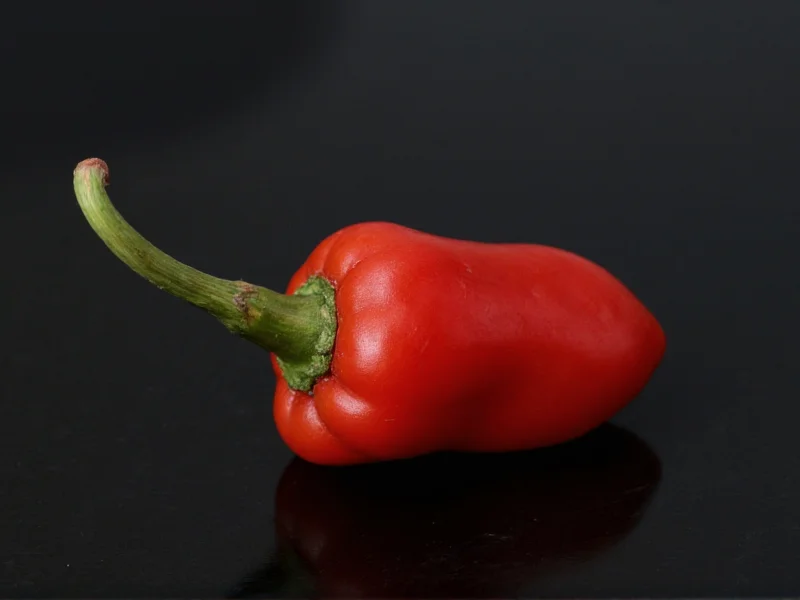
For spice enthusiasts and culinary adventurers, understanding where the ghost pepper falls on the Scoville scale provides crucial context about its intense heat profile. Scientific testing at New Mexico State University's Chile Pepper Institute confirmed the Bhut Jolokia's extraordinary heat level through high-performance liquid chromatography (HPLC), the modern standard for measuring capsaicinoids that create the burning sensation in chili peppers.
Understanding the Scoville Scale Measurement System
Invented by pharmacist Wilbur Scoville in 1912, the Scoville Organoleptic Test originally measured heat through human taste panels diluting pepper extracts until the burn became undetectable. Today, high-performance liquid chromatography (HPLC) provides precise measurements of capsaicinoid concentration, which scientists then convert to Scoville Heat Units for public understanding.
The ghost pepper's position on the scale represents a significant threshold in chili pepper heat. At over 1 million SHU at its peak, it crosses into territory where improper handling can cause serious physical reactions including skin irritation, breathing difficulties, and gastrointestinal distress. This extreme heat level explains why professional chefs often handle ghost peppers with protective gloves and eye protection.
Ghost Pepper's Historical Context on the Heat Scale
Native to Northeast India, the ghost pepper (locally known as Bhut Jolokia, meaning "ghost chili") gained international attention when researchers at New Mexico State University verified its heat level in 2006. The university's study, published in 2007, documented the pepper's average heat at 1,001,304 SHU, with individual specimens reaching over 1 million SHU.
This scientific validation propelled the ghost pepper to global fame and the Guinness World Record for hottest chili pepper, a title it held until 2011 when the Trinidad Moruga Scorpion surpassed it. Despite losing the official title, the ghost pepper remains one of the most widely recognized superhot peppers worldwide and continues to be a benchmark for extreme heat in culinary applications.
| Pepper Variety | Scoville Heat Units (SHU) | Heat Comparison to Jalapeño |
|---|---|---|
| Ghost Pepper (Bhut Jolokia) | 855,000-1,041,427 | 200-400x hotter |
| Trinidad Moruga Scorpion | 1,200,000-2,000,000 | 300-500x hotter |
| Carolina Reaper | 1,400,000-2,200,000 | 350-550x hotter |
| Habanero | 100,000-350,000 | 20-50x hotter |
| Jalapeño | 2,500-8,000 | Baseline |
Scientific Verification of Ghost Pepper Heat Levels
The precise measurement of ghost pepper heat involves sophisticated laboratory testing. Researchers extract capsaicinoids from dried pepper material and analyze the concentration using HPLC. The results show that Bhut Jolokia contains approximately 9.2 mg of capsaicin per gram of dry pepper weight, translating to the 855,000-1,041,427 SHU range.
Environmental factors significantly influence the actual heat level of individual ghost peppers. Soil composition, climate conditions, water stress, and cultivation methods can cause variations within the same plant. This natural variability explains why some ghost peppers test at the lower end of the scale while others approach the maximum recorded heat.
Practical Implications of Ghost Pepper's Heat Level
Understanding the ghost pepper's position on the Scoville scale has real-world implications for culinary use. At over 1 million SHU, just a small amount can overwhelm a dish. Professional chefs typically use ghost pepper in powdered form or infused oils, adding mere pinches to achieve desired heat levels.
Safety considerations are paramount when handling ghost peppers. The capsaicin concentration is high enough to cause chemical burns on unprotected skin and severe irritation if it contacts eyes or mucous membranes. Many experienced handlers recommend using nitrile gloves (latex doesn't provide adequate protection) and working in well-ventilated areas to avoid inhaling capsaicin particles.
Ghost Pepper in Culinary Context
Despite its fearsome reputation, the ghost pepper offers complex flavor notes beyond pure heat. It features distinctive smoky, fruity undertones that culinary experts appreciate when used judiciously. In its native Northeast India, Bhut Jolokia appears in traditional chutneys and meat preservation techniques, where its antimicrobial properties provide practical benefits beyond flavor.
The ghost pepper's heat level makes it unsuitable for novice spice enthusiasts but valuable for creating extreme hot sauces and specialty dishes. Many commercial hot sauce producers blend ghost pepper with milder ingredients to create balanced products that showcase its unique flavor profile without overwhelming heat.
Ghost Pepper's Legacy in the World of Superhot Peppers
Though surpassed by newer cultivars like the Carolina Reaper and Pepper X, the ghost pepper remains significant in chili pepper history. Its verification as the world's hottest pepper sparked renewed interest in extreme heat chilies and accelerated breeding programs that produced today's superhot varieties.
The ghost pepper's enduring popularity stems from its relative accessibility compared to newer superhots. It grows reliably in many climates, produces abundant fruit, and maintains consistent heat levels that make it valuable for commercial production. For those exploring extreme heat, the ghost pepper serves as an important benchmark between traditional hot peppers and the current generation of record-breaking superhots.
Frequently Asked Questions
How does the ghost pepper compare to other superhot peppers on the Scoville scale?
The ghost pepper (855,000-1,041,427 SHU) is significantly hotter than habaneros (100,000-350,000 SHU) but less intense than the current record holders. It's approximately half as hot as the Carolina Reaper (1,400,000-2,200,000 SHU) and substantially milder than Pepper X (3,180,000 SHU), which currently holds the Guinness World Record.
Can you eat a ghost pepper raw, and what happens if you do?
Yes, you can eat a ghost pepper raw, but it's extremely intense. Consuming a whole ghost pepper raw typically causes immediate burning sensation, sweating, headache, and sometimes temporary difficulty breathing. The effects can last 30-45 minutes before gradually subsiding. Dairy products like milk or yogurt help neutralize the capsaicin better than water.
Why does the ghost pepper have such a wide Scoville range?
The ghost pepper's wide Scoville range (855,000-1,041,427 SHU) results from natural variations influenced by growing conditions. Factors like soil composition, temperature fluctuations, water stress, and sunlight exposure significantly impact capsaicin production. Even peppers from the same plant can vary in heat level, with those exposed to more environmental stress typically developing higher capsaicin concentrations.
How was the ghost pepper's Scoville rating officially verified?
Researchers at New Mexico State University's Chile Pepper Institute officially verified the ghost pepper's heat level in 2006 using high-performance liquid chromatography (HPLC). This scientific method precisely measures capsaicinoid concentration, which they then converted to Scoville Heat Units. Their testing of multiple specimens established the 855,000-1,041,427 SHU range that became widely accepted.
Is the ghost pepper still considered one of the hottest peppers available?
While the ghost pepper no longer holds the title of world's hottest pepper (surpassed by varieties like the Carolina Reaper and Pepper X), it remains one of the hottest commercially available peppers. Its consistent heat level, distinctive flavor profile, and relative growing reliability ensure its continued popularity among chili enthusiasts despite newer superhot varieties entering the market.




 浙公网安备
33010002000092号
浙公网安备
33010002000092号 浙B2-20120091-4