
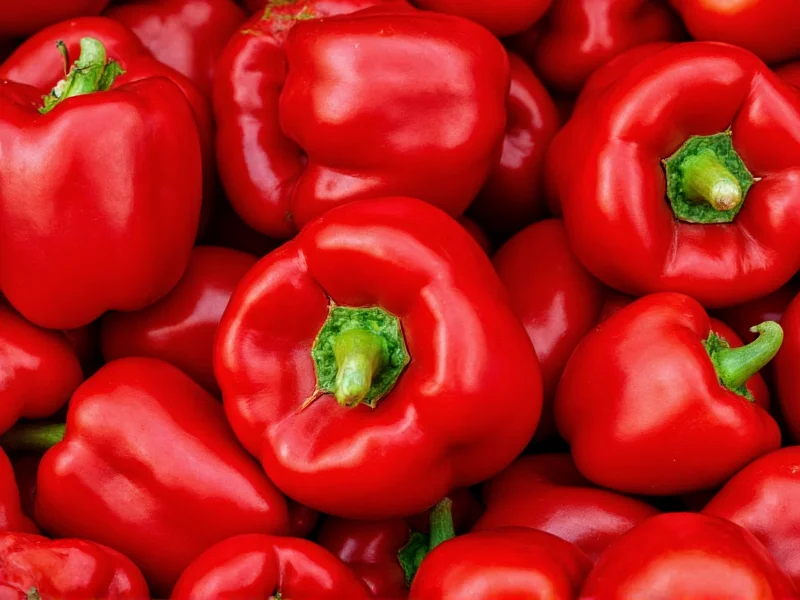
When shoppers encounter "sweet little red peppers" at grocery stores or farmers' markets, they're most likely looking at mini sweet peppers—a distinct variety developed specifically for their petite dimensions and naturally sugary taste. These charming vegetables have gained popularity in recent years as convenient, ready-to-eat snacks that deliver vibrant color and mild sweetness without the burn associated with many small pepper varieties.
Identifying True Sweet Little Red Peppers
Many consumers mistakenly assume all small red peppers are spicy, but mini sweet peppers break this stereotype. These peppers typically measure 2-3 inches in length with smooth, glossy skin and tapered shapes. Their most distinguishing characteristic is the complete absence of heat—they contain no detectable capsaicin, the compound responsible for spiciness in chili peppers.
Common varieties include:
- Mini Bell Peppers—smaller versions of standard bell peppers
- Pimientos—heart-shaped with exceptionally sweet flavor
- Red Cherry Peppers—round varieties when grown for sweetness
| Pepper Type | Size | Heat Level (Scoville) | Best Uses |
|---|---|---|---|
| Mini Sweet Peppers | 2-3 inches | 0 | Raw consumption, salads, snacks |
| Pimientos | 1.5-2 inches | 0-100 | Stuffed olives, roasting, sauces |
| Red Cherry Peppers | 1-1.5 inches | 0-500 (sweet varieties) | Preserving, garnishes |
| Cayenne (misidentified) | 3-6 inches | 30,000-50,000 | Cooking (spicy) |
Flavor Profile and Culinary Applications
The exceptional sweetness of these miniature peppers makes them versatile kitchen ingredients. Unlike their spicy counterparts, sweet little red peppers develop higher sugar content as they ripen to red, containing approximately 4-5% natural sugars compared to 2-3% in standard green bell peppers. This sugar concentration creates caramelization potential ideal for roasting and grilling.
Chefs appreciate these peppers for:
- Raw applications where color contrast matters
- Quick-pickling for gourmet garnishes
- Stuffing with cheese or seafood fillings
- Adding to stir-fries without introducing heat
- Creating naturally sweet pepper relishes
Nutritional Benefits of Sweet Miniature Peppers
Nutritionally, these petite peppers punch above their weight. A single cup of chopped sweet little red peppers provides:
- 190% of the daily recommended vitamin C
- 93% of vitamin A requirements
- Significant vitamin B6 and potassium
- Only 31 calories per serving
Their red color indicates high lycopene content—up to nine times more than yellow varieties—which offers antioxidant benefits. Unlike spicy peppers that derive heat-related health benefits from capsaicin, sweet miniature peppers deliver cardiovascular and immune support through their vitamin density and carotenoid compounds.
Selecting and Storing Sweet Little Red Peppers
When choosing sweet little red peppers, look for specimens with:
- Glossy, taut skin without wrinkles
- Firm texture that resists gentle pressure
- Vibrant, consistent coloration
- Intact stems and fresh-looking shoulders
Proper storage extends their shelf life significantly. Keep unwashed peppers in the original clamshell container or transfer to a perforated plastic bag in the crisper drawer. Under ideal conditions (90% humidity, 45°F temperature), they maintain peak quality for 2-3 weeks. Never store sweet miniature peppers near ethylene-producing fruits like apples or bananas, which accelerate ripening and spoilage.
Growing Sweet Little Red Peppers at Home
Gardeners can successfully cultivate these peppers with basic requirements:
- Full sun exposure (6-8 hours daily)
- Well-draining soil with pH 6.2-7.0
- Consistent moisture (1-2 inches weekly)
- Temperature range of 70-85°F during growing season
Unlike hot pepper varieties that often require specific soil amendments for optimal heat development, sweet miniature peppers thrive in standard vegetable garden conditions. Harvest when peppers reach full size and develop deep red coloration—typically 70-80 days after transplanting. The sweetest flavor develops when peppers remain on the plant until fully ripe.
Common Misconceptions Clarified
Several persistent myths surround small red peppers:
- Myth: All small peppers are hot
Fact: Size doesn't determine heat—many miniature varieties like mini bells are completely sweet - Myth: Red color indicates spiciness
Fact: Red simply means full ripeness; many sweet peppers turn red when mature - Myth: Sweet little red peppers are genetically modified
Fact: These are traditional hybrids developed through selective breeding
Practical Uses in Everyday Cooking
Home cooks can maximize these peppers' potential through simple techniques:
- Cut horizontally for perfect appetizer cups
- Roast whole with olive oil for intensified sweetness
- Add to fruit salsas for color contrast without heat
- Stuff with herbed cream cheese for elegant hors d'oeuvres
- Include in vegetable skewers for grilling
Professional chefs often recommend using sweet little red peppers raw when possible to preserve their delicate flavor and crisp texture. Their thin walls make them unsuitable for prolonged cooking but perfect for quick sautés where they maintain shape and color.




 浙公网安备
33010002000092号
浙公网安备
33010002000092号 浙B2-20120091-4