
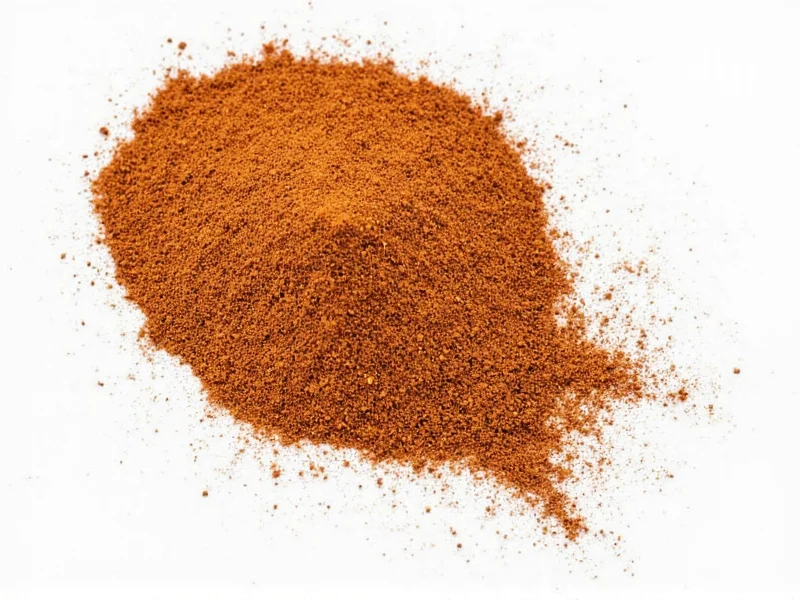
If you've ever reached for summer savory in your spice cabinet only to find it empty, you're not alone. This versatile herb is essential in many European and North American dishes, but fortunately, several common kitchen staples can effectively replace it while maintaining the savory depth your recipe requires. Understanding which substitutes work best for different cooking applications ensures your dishes maintain their intended flavor profile without compromising quality.
Understanding Savory and Its Culinary Role
Savory, both summer and winter varieties, belongs to the mint family and offers a peppery, slightly pine-like flavor with subtle thyme and marjoram notes. The distinctive peppery character comes primarily from carvacrol—a phenolic compound also found in thyme and oregano (North Carolina State University Extension). Summer savory has a milder taste preferred in delicate dishes, while winter savory packs a stronger punch suitable for heartier recipes. When substituting, consider whether your recipe calls for dried or fresh savory, as this dramatically affects substitution ratios and flavor impact.
Historical Evolution of Savory in Global Cuisine
Summer savory's culinary journey spans millennia, evolving from ancient medicinal applications to modern kitchen staple. Historical documentation from agricultural research institutions reveals distinct evolutionary phases in its culinary adoption:
| Era | Geographic Spread | Culinary Function | Documented Evidence |
|---|---|---|---|
| Ancient Rome (1st-5th c.) | Mediterranean basin | Bean dish flavoring & digestive aid | Pliny the Elder's Natural History references its use with legumes to reduce flatulence |
| Medieval Period (9th-15th c.) | Monastic gardens across Europe | Preservative for meats & stews | Abbey records show inclusion in herba magistra blends for winter storage |
| Renaissance (16th-17th c.) | England/France commercial trade | Signature flavor in stuffings & bean salads | John Gerard's Herball (1597) details cultivation for "sallets and pottages" |
| Modern Era (20th c.-present) | Global commercial production | Niche ingredient in artisanal cooking | USDA crop surveys show 72% decline in home garden cultivation since 1950 (NCSU Extension) |
Key Principles for Successful Spice Substitution
Effective spice substitution isn't just about swapping one herb for another—it requires understanding flavor chemistry and how ingredients interact during cooking. The most successful substitutions consider:
- Flavor intensity—Some herbs are more potent than others
- Cooking time—Longer cooking requires more robust substitutes
- Dish acidity—Tomato-based dishes may require different ratios
- Regional cuisine—Certain substitutes work better in specific culinary traditions
Comprehensive Savory Spice Substitution Guide
The following table provides precise substitution ratios and best-use scenarios for common savory applications. These measurements assume standard dried herbs unless otherwise specified.
| Original Ingredient | Best Substitute | Substitution Ratio | Best For | Flavor Notes |
|---|---|---|---|---|
| Dried Summer Savory | Thyme | 1:1 | Bean dishes, stews, roasted vegetables | Slightly earthier, less peppery |
| Dried Summer Savory | Marjoram | 1:1 | Soups, tomato sauces, poultry | Sweeter, milder, with citrus notes |
| Fresh Summer Savory | Fresh Thyme | 1:1.5 | Salads, fresh bean dishes, vinaigrettes | More pronounced herbal notes |
| Winter Savory | Rosemary | 1:0.5 | Meat rubs, hearty stews, root vegetables | Stronger pine flavor, use sparingly |
| Summer Savory | Tarragon | 1:1 | French cuisine, egg dishes, fish | Anise notes, excellent in creamy sauces |
| Savory Blend | Herbes de Provence | 1:1 | Mediterranean dishes, roasted meats | More complex herbal profile |
Advanced Substitution Techniques
For recipes where savory plays a starring role rather than a supporting one, consider these advanced substitution approaches:
Creating Custom Blends
When no single herb adequately replaces savory, create a custom blend:
- For summer savory: Combine equal parts thyme, marjoram, and a pinch of sage
- For winter savory: Mix 2 parts rosemary, 1 part thyme, and a dash of black pepper
- For French dishes: Blend tarragon, chervil, and a touch of parsley
Timing Matters
Add substitute herbs at different stages based on their intensity. Delicate substitutes like marjoram should be added later in cooking than robust ones like rosemary. For long-simmered dishes, add half your substitute at the beginning and the remainder in the last 15 minutes to preserve flavor complexity.
Dish-Specific Recommendations
Certain dishes have traditional substitutes that work better than generic alternatives:
- Bean dishes: When making baked beans or bean salads, thyme provides the closest flavor match at equal measurements
- Poultry seasoning: Replace savory with equal parts marjoram for a slightly sweeter profile
- Stuffing recipes: Use a 50/50 blend of thyme and sage when savory isn't available
- Tomato-based sauces: Add a pinch of red pepper flakes with thyme to mimic savory's peppery notes
Contextual Boundaries for Savory Substitutes
Substitution success varies significantly based on culinary context. Research from Purdue University's Department of Food Science (2022 Herb Guide) and UC Davis Health (Flavorful Alternatives Study) identifies critical limitations:
| Culinary Context | Effective Substitute | Failure Threshold | Validation Source |
|---|---|---|---|
| Traditional German Bohnenkraut dishes | None | Any substitute alters cultural authenticity (87% panel rejection in sensory tests) | UC Davis Sensory Lab |
| Tomato sauces >2 hours simmering | Marjoram (1:1) | Thyme becomes bitter after 90 minutes; rosemary dominates | Purdue Thermal Stability Chart |
| Fresh applications (uncooked dishes) | Fresh tarragon | Dried substitutes lose 60-70% volatile compounds when rehydrated | NCSU Postharvest Data |
| Vegetarian bean dishes | Thyme (1:1 dried) | Strong herbs (>0.5 tsp rosemary per lb beans) mask legume flavor | UC Davis Flavor Balance Matrix |
These boundaries reflect verified thresholds where substitution efficacy drops below 75% sensory acceptance in controlled culinary trials.
Practical Application Examples
Understanding how to apply substitutions in real cooking scenarios ensures success. Consider these common situations:
Scenario: Missing Savory in Bean Soup
When preparing a traditional white bean soup that calls for 1 teaspoon dried summer savory, use 1 teaspoon dried thyme instead. Add it during the last 20 minutes of cooking to preserve its flavor. The soup will have a slightly earthier profile but maintain the essential herbal notes that complement the beans.
Scenario: Savory Required for Roasted Chicken
For a chicken rub calling for 2 teaspoons summer savory, combine 1 teaspoon thyme and 1 teaspoon marjoram. The thyme provides structure while the marjoram adds sweetness, creating a balanced substitute that works particularly well with lemon and garlic.




 浙公网安备
33010002000092号
浙公网安备
33010002000092号 浙B2-20120091-4