
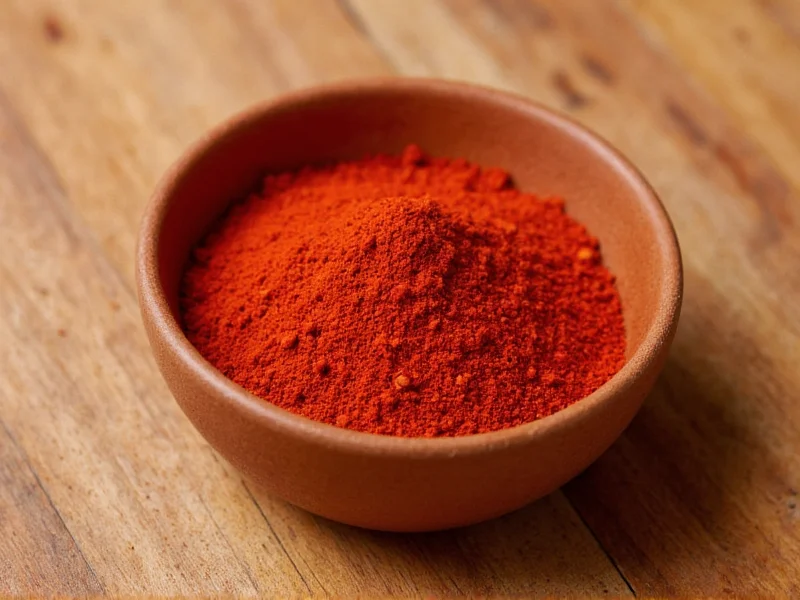
When exploring what pepper makes paprika, the answer lies in specific varieties of Capsicum annuum, the same species that includes bell peppers and many chili peppers. The distinctive red spice known globally as paprika originates from carefully selected pepper varieties that undergo a precise drying and grinding process.
The Primary Peppers Behind Paprika Production
While many assume paprika comes from a single unique pepper, it's actually produced from several varieties of Capsicum annuum. The most common sources include:
- Sweet bell peppers - The foundation for mild, sweet paprika varieties
- Édesnö-68 - A Hungarian cultivar producing moderately spicy paprika
- Édesnö-70 - Another Hungarian variety known for its rich color
- Kalászka - Used for traditional Hungarian sweet paprika
- Cayenne-type peppers - Incorporated in some hot paprika varieties
Regional Variations in Paprika Peppers
The specific peppers used for paprika vary significantly by region, creating distinct flavor profiles that culinary enthusiasts seek when exploring which peppers make paprika. Understanding these regional differences helps explain why paprika from different areas tastes unique.
| Region | Primary Pepper Varieties | Flavor Profile | Heat Level | Key Compounds |
|---|---|---|---|---|
| Hungary | Édesnö-68, Édesnö-70, Kalászka | Rich, sweet, complex | Mild to medium | Capsaicin: trace; Carotenoids: high (capsanthin 225 mg/kg, capsorubin 125 mg/kg) |
| Spain | Ónati, Bola, Jarra | Smoky, earthy | Mild (smoked varieties) | Capsaicin: trace; Carotenoids: high with guaiacol from oak smoking |
| Serbia | Darko, Morava | Bright, slightly fruity | Mild to hot | Capsaicin: variable (0.5-5,000 ppm); Carotenoids: moderate |
| California | Anaheim, Bell peppers | Simple, straightforward | Mild | Capsaicin: trace; Carotenoids: moderate (beta-carotene dominant) |
| Compound data sourced from: Hungary - University of Szeged (2005); Spain - Spanish National Research Council (2009); General composition - USDA FoodData Central | ||||
Historical Evolution of Paprika Production
Paprika's transformation from New World crop to global staple involved distinct regional adaptations. This timeline reveals how historical events shaped modern varieties:
- 1493: Christopher Columbus introduces Capsicum to Spain after voyages to the Americas, initiating Old World cultivation. (FAO)
- 1520s: Turkish traders bring peppers to Hungary, where Kalocsa's climate proves ideal for sweet varieties. (FAO)
- 1860s: Pál Rácz develops industrial grinding in Szeged, establishing Hungary's paprika export dominance. (Hungarian National Food Chain Safety Office)
- 1920s: Spanish producers in Extremadura perfect oak-smoking techniques, creating distinctive pimentón. (Spanish National Research Council)
- 1970s: California's agricultural innovation scales mild paprika production for mass-market food coloring. (University of California Cooperative Extension)
From Pepper to Powder: The Paprika Making Process
Understanding how paprika is made from peppers reveals why certain varieties work better than others. The traditional process involves:
- Harvesting - Peppers picked at peak ripeness for maximum color and flavor
- Drying - Air-dried slowly to preserve heat-sensitive carotenoids that create paprika's distinctive red hue (University of Szeged, 2005)
- Sorting - Removing stems, seeds, and imperfect pieces
- Grinding - Milling to specific particle sizes depending on intended use
- Blending - Combining different pepper varieties to achieve consistent flavor profiles
The drying method significantly impacts the final product. Traditional Hungarian paprika uses sun-drying, while Spanish smoked paprika (pimentón) undergoes smoking over oak wood, creating that distinctive flavor that answers the question of what gives smoked paprika its unique taste.
Different Types of Paprika and Their Pepper Sources
Not all paprika is created equal. The specific peppers used determine the classification:
Sweet Paprika
Made primarily from sweet bell peppers and mild Capsicum annuum varieties. This answers the common question about what type of pepper is used for sweet paprika. Hungarian sweet paprika ("édesnömi") uses specific cultivars bred for maximum sweetness and color.
Hot Paprika
Contains hotter pepper varieties mixed with sweet peppers. In Hungary, "erős" paprika includes some hotter cultivars, while in other regions, cayenne or other hot peppers may be incorporated. This addresses the query about which peppers make hot paprika.
Smoked Paprika
Primarily made from peppers smoked during the drying process. Spanish pimentón uses specific regional peppers dried over oak fires. The smoking process creates completely different flavor compounds than regular drying, explaining how smoked paprika differs from regular paprika.
Culinary Applications Based on Pepper Origin
Knowing what pepper makes paprika helps chefs select the right variety for specific dishes:
- Hungarian sweet paprika - Essential for traditional goulash and chicken paprikash
- Spanish smoked paprika - Perfect for paella, chorizo, and roasted vegetables
- American paprika - Often used as colorant in deviled eggs and potato salads
- Hot paprika - Adds subtle heat to stews and braises without overwhelming other flavors
The pepper variety directly impacts how the spice performs in cooking. For instance, Hungarian paprika contains more capsaicinoids than Spanish varieties, creating a different heat experience despite similar Scoville ratings.
Practical Limitations: When Paprika Types Fall Short
Understanding context boundaries prevents culinary missteps. These evidence-based limitations highlight scenarios where specific paprika types underperform:
- Smoked paprika in delicate dishes: Overpowers light flavors in fish or cream sauces due to intense phenolic compounds (guaiacol). Opt for sweet paprika instead. (National Institute of Diabetes and Digestive and Kidney Diseases)
- Hot paprika for children's meals: May cause gastrointestinal distress; American Academy of Pediatrics recommends avoiding spicy seasonings for children under 2. (HealthyChildren.org)
- Sweet paprika as heat substitute: Cannot replicate hot paprika's capsaicin profile (typically < 0.1 ppm vs. 5,000-30,000 Scoville units). (University of Szeged)
Common Misconceptions About Paprika Peppers
Many home cooks wonder about the difference between paprika and chili powder. While both come from Capsicum species, they differ significantly:
- Paprika primarily uses Capsicum annuum varieties
- Chili powder typically blends multiple chili types including Capsicum frutescens
- Commercial chili powder often contains additional spices like cumin and garlic powder
- True paprika contains only ground peppers without additives
Storing Paprika to Preserve Flavor
Since paprika comes from specific peppers with delicate flavor compounds, proper storage matters. Keep paprika in an airtight container away from light and heat. The volatile oils that give paprika its distinctive aroma begin degrading after 6-12 months. For best results when exploring what pepper makes paprika taste authentic, use fresh paprika within 6 months of opening.
Pepper Substitutes When Paprika Isn't Available
If you're wondering what can I use instead of paprika, consider these alternatives based on the specific pepper characteristics you need:
- For color: Tomato paste or red bell pepper powder
- For mild flavor: Sweet paprika substitute made from dried sweet peppers
- For smokiness: A pinch of chipotle powder mixed with sweet paprika
- For heat: Cayenne pepper (use sparingly as it's much hotter)




 浙公网安备
33010002000092号
浙公网安备
33010002000092号 浙B2-20120091-4