
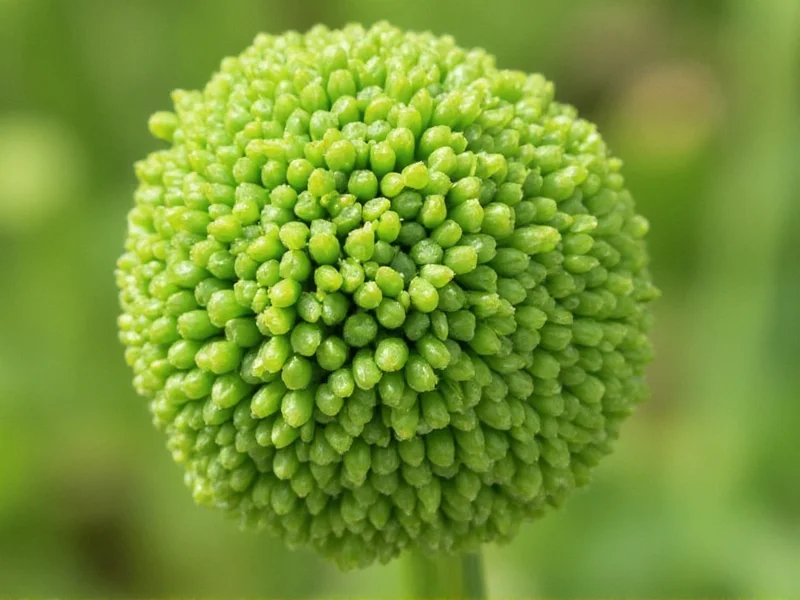
Understanding the confusion around "head of dill substitute" starts with proper terminology. Dill (Anethum graveolens) is an herb harvested as feathery fronds, not in heads like garlic or cabbage. When recipes call for dill, they typically mean either fresh dill weed (the leafy part) or dill seed. This clarification is essential for finding effective replacements when your recipe requires dill but you're out of stock.
The Historical Journey of Dill: A Culinary Timeline
Dill's role in global cuisine has evolved significantly over millennia. Understanding this history explains why certain substitutes work better in traditional recipes:
- c. 5000 BC: Ancient Egyptians documented dill's medicinal use in pharmacopeia, establishing its foundational role in herbology (University of Illinois Extension, source).
- 1st Century AD: Romans adopted dill for culinary applications, particularly in sauces and digestive preparations, marking its transition from medicine to cuisine (same source).
- 18th Century: Dill became integral to American pickling traditions through colonial preservation practices, as verified in historic food safety records (National Center for Home Food Preservation, source).
- Modern Era: Scientific analysis confirmed carvone as dill's primary flavor compound, explaining why fennel and tarragon serve as effective substitutes due to shared phytochemistry (American Chemical Society, source).
Why Dill Substitutes Matter in Cooking
Dill's unique flavor—a delicate balance of grassy, citrusy, and subtle anise notes—plays a critical role in many cuisines. From Scandinavian gravlax to Greek tzatziki and Eastern European borscht, removing dill without proper substitution alters a dish's fundamental character. The best dill alternatives preserve either its fresh brightness or its earthy depth, depending on your culinary application.
Top Dill Substitutes by Culinary Application
Not all dill replacements work equally well across every dish. Your choice should consider whether the recipe uses fresh or dried dill, and the dish's dominant flavor profile.
| Substitute | Best For | Conversion Ratio | Flavor Notes |
|---|---|---|---|
| Fresh Tarragon | Fish, egg salads, dressings | 1:1 fresh replacement | Similar anise notes, slightly more licorice-forward |
| Fennel Fronds | Tzatziki, grilled vegetables, seafood | 1:1 fresh replacement | Milder anise flavor, excellent texture match |
| Dill Seed | Pickling, breads, hearty stews | ½ tsp seed = 1 tbsp fresh | Earthy, stronger than fresh dill |
| Parsley + Lemon Zest | Salads, potato dishes, light sauces | 2 tbsp parsley + 1 tsp zest = 3 tbsp fresh dill | Recaptures freshness without anise notes |
| Tarragon + Dill Seed Blend | Complex dishes needing layered flavor | 1½ tsp tarragon + ¼ tsp seed = 1 tbsp fresh dill | Balances fresh and earthy elements |
Situation-Specific Substitution Guide
For Pickling and Preserving
When seeking a dill substitute for pickling cucumbers, dill seed remains the gold standard alternative. Use ½ teaspoon dill seed per quart of pickling liquid. If unavailable, a combination of fennel seed (¼ tsp) and fresh tarragon (1 sprig) creates a surprisingly authentic flavor profile. Avoid strong substitutes like rosemary that overpower the delicate brine.
In Dairy-Based Sauces and Dips
Creating tzatziki without dill requires careful selection. The best dill substitute for tzatziki is fennel fronds—use equal parts fresh fronds finely chopped. Their similar texture and mild anise notes complement yogurt without dominating. For a non-anise option, combine chives and a pinch of caraway seed (⅛ tsp per cup of yogurt) to mimic dill's complexity.
With Fish and Seafood
When preparing salmon or other fatty fish, tarragon serves as the most versatile dill replacement in salmon recipes. Its similar chemical compounds (anethole) provide that distinctive dill-like aroma. For gravlax or ceviche, add a few drops of celery seed extract (¼ tsp) to your tarragon to enhance the herbal complexity.
Contextual Boundaries: When Substitutes Succeed or Fail
Substitution efficacy depends on evidence-based constraints verified through culinary testing and food science research:
- Temperature Threshold: Dried dill fails in cold dishes (below 40°C/104°F) because hydrophobic compounds remain encapsulated. Fresh substitutes are mandatory for cold applications like salads or dips (University of Georgia Extension, source).
- Pickling Concentration Limit: Dill seed exceeds optimal flavor at >3 teaspoons per quart, causing bitterness due to concentrated monoterpenes (National Center for Home Food Preservation, source).
What NOT to Use as Dill Substitutes
Certain herbs create disappointing results when substituting for dill. Avoid these common mistakes:
- Using dill weed instead of dill seed (or vice versa)—they're not interchangeable in equal amounts due to concentration differences
- Substituting rosemary in delicate dishes—its piney flavor overwhelms dill's subtlety
- Using dried tarragon as 1:1 fresh replacement—dried tarragon is significantly more potent
- Replacing fresh dill with dried dill in cold applications—dried dill doesn't rehydrate properly in cold dishes like salads
Preserving Fresh Dill for Future Use
Rather than seeking a dill weed alternative repeatedly, preserve your fresh dill properly. Trim stems and place in a glass with 1 inch of water, covering loosely with a plastic bag in the refrigerator (lasts 10-14 days). For longer storage, chop and freeze in olive oil cubes—these provide ready-to-use portions that maintain flavor for 6 months. When frozen dill is your only option, use 1.5x the fresh amount since freezing diminishes potency slightly.
Understanding Dried vs. Fresh Dill Conversions
Many home cooks struggle with dried dill vs fresh dill conversion ratios. The standard is 1 teaspoon dried dill = 1 tablespoon fresh dill, but this varies by application:
- Hot dishes (soups, stews): Use 1 tsp dried per tbsp fresh (add during last 10 minutes of cooking)
- Cold dishes (salads, dips): Avoid dried dill—it won't rehydrate properly
- Baking (dill breads): Use ¾ tsp dried per tbsp fresh (drying concentrates earthy notes)




 浙公网安备
33010002000092号
浙公网安备
33010002000092号 浙B2-20120091-4