
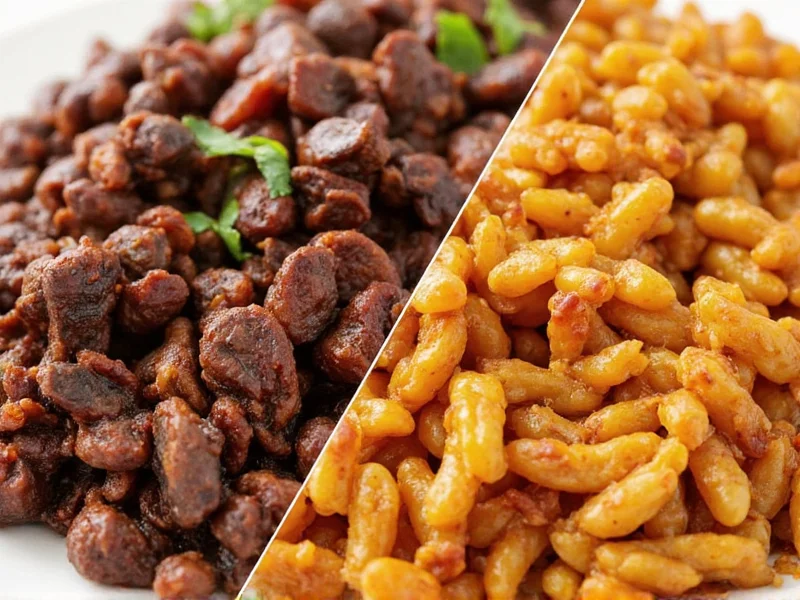
When comparing adobo vs chipotle, many home cooks face confusion because these terms appear together on grocery store shelves. The key distinction lies in their origins and fundamental nature. Adobo represents both a traditional Filipino marinade and a Mexican seasoning paste, while chipotle specifically refers to smoke-dried jalapeño peppers. This article clarifies their differences, ingredients, flavor profiles, and ideal culinary applications to help you make informed cooking decisions.
Understanding Adobo: More Than Just a Sauce
Adobo's story begins in the Philippines, where it describes a cooking technique rather than a single ingredient. Filipino adobo typically combines vinegar, soy sauce (introduced through trade), garlic, bay leaves, and black peppercorns to preserve and flavor meats like chicken or pork. This method developed as a practical preservation technique in the tropical climate.
Mexican adobo presents a different interpretation - a rich, brick-red paste made from dried chilies (like guajillo or ancho), vinegar, garlic, and spices. Unlike its Filipino counterpart, Mexican adobo functions primarily as a marinade or sauce base for dishes like adobo rojo. The confusion intensifies when you encounter 'chipotles in adobo' - which features chipotle peppers preserved in a Mexican-style adobo sauce.
Chipotle: The Smoked Pepper Explained
Chipotle peppers originate from fully ripe, smoke-dried jalapeños. The name comes from the Náhuatl words 'chilpoctli' (smoked chili). This smoking process transforms ordinary jalapeños into deep red, wrinkled peppers with a distinctive smoky-sweet flavor and moderate heat (2,500-8,000 Scoville units).
You'll typically find chipotles in three forms:
- Whole dried chipotles - Used for infusing soups and stews
- Chipotle powder - Ground dried chipotles for dry rubs
- Chipotles in adobo sauce - Canned chipotles preserved in a tangy adobo-based sauce
The 'chipotles in adobo' product causes significant confusion in the adobo vs chipotle discussion. This preparation features chipotle peppers submerged in a Mexican adobo sauce containing vinegar, garlic, onions, and spices. It's crucial to recognize that the adobo here serves as the preservation medium, not the primary ingredient.
| Characteristic | Adobo (Filipino) | Adobo (Mexican) | Chipotle |
|---|---|---|---|
| Origin | Philippines | Mexico | Mexico |
| Primary Form | Cooking method/sauce | Seasoning paste/sauce | Smoked dried pepper |
| Key Ingredients | Vinegar, soy sauce, garlic | Dried chilies, vinegar, spices | Smoke-dried jalapeño |
| Flavor Profile | Tangy, savory, garlicky | Earthy, tangy, moderately spicy | Smoky, sweet, medium heat |
| Heat Level | Mild to moderate | Moderate | Moderate (2,500-8,000 SHU) |
| Common Uses | Marinating meats | Mojo rojo, adobo rubs | BBQ sauces, salsas, stews |
Historical Evolution: A Timeline of Culinary Development
These ingredients evolved through distinct historical pathways that explain their fundamental differences:
- Pre-1500s (Philippines): Indigenous preservation using nipa palm vinegar and salt created the foundation of Filipino adobo. This method addressed tropical food spoilage without refrigeration. [Source: Smithsonian Asian Pacific American Center]
- 1565-1898 (Spanish Colonial Era): Soy sauce entered Filipino adobo via Manila-Acapulco galleon trade with China, transforming it into the soy-vinegar hybrid now recognized globally. Mexican adobo simultaneously developed from indigenous chili techniques blended with Spanish vinegar preservation. [Source: University of Texas Benson Latin American Collection]
- Early 1900s: Commercial canning introduced "chipotles in adobo" - smoke-dried jalapeños preserved in Mexican adobo sauce. This hybrid product first appeared in Mexican-American markets to extend shelf life. [Source: University of Texas Benson Latin American Collection]
- 1980s-Present: Globalization led to frequent misidentification, with "adobo" becoming erroneously associated solely with the chipotle-containing product in international markets. Culinary institutions like the Culinary Institute of America now emphasize their distinct origins in professional training. [Source: Culinary Institute of America]
This divergent evolution explains why substituting one for the other creates fundamentally different dishes - they represent separate solutions to historical preservation challenges.
Flavor Comparison: What Sets Them Apart
Understanding the flavor differences between adobo vs chipotle proves essential for recipe success. Filipino adobo delivers a bright, acidic profile from vinegar balanced with soy sauce umami and garlic. Mexican adobo offers earthier notes from dried chilies with tangy vinegar undertones. Chipotle contributes a distinctive smokiness that neither adobo version provides on its own.
When you purchase 'chipotles in adobo,' you get a hybrid flavor experience: the smoky heat of chipotle peppers combined with the tangy, spiced profile of Mexican adobo sauce. This combination creates a complex flavor that stands apart from either component used separately.
Practical Cooking Guidance
Knowing when to use each ingredient elevates your cooking:
Choose Filipino Adobo When:
- You want authentic Filipino dishes like chicken adobo
- Your recipe needs tangy, garlicky notes without smokiness
- You're working with poultry or pork that benefits from vinegar-based marinades
Choose Mexican Adobo When:
- You're making Mexican-inspired dishes like adobo rojo
- Your recipe requires a deep red color and earthy chili flavor
- You need a base for marinades or sauces without smoky elements
Choose Chipotle When:
- You want to add smoky depth to barbecue sauces or stews
- Your recipe specifically calls for chipotle heat
- You're making Southwestern or Tex-Mex dishes needing that distinctive smoke flavor
Working with Chipotles in Adobo:
This popular product combines both elements. When using chipotles in adobo, remember you're getting:
- The smoky heat from the chipotle peppers
- The tangy, spiced flavor from the adobo sauce
- A thicker consistency than either ingredient alone
Many recipes call specifically for 'chipotle peppers in adobo' because this preparation delivers consistent flavor and texture. When substituting, use 1-2 minced chipotles plus 1-2 teaspoons of the adobo sauce from the can for each chipotle pepper required.
Critical Context Boundaries: When Substitutions Fail
These ingredients have non-negotiable limitations in specific culinary contexts:
- Filipino adobo in Mexican cuisine: Soy sauce creates chemical reactions with traditional Mexican ingredients (like epazote) that produce off-flavors. The National Institute of Anthropology and History documents this inauthentic fusion. [Source: INAH]
- Mexican adobo for Filipino dishes: Ancho chilies contain capsaicin levels that overwhelm Filipino adobo's delicate vinegar balance. The University of the Philippines Food Science Department confirms this alters preservation chemistry. [Source: UPLB]
- Chipotle powder alone as substitute: Lacks the acetic acid profile essential for safe meat preservation in traditional applications. USDA guidelines require minimum pH levels only achieved with vinegar-based solutions. [Source: USDA]
- Generic smoked peppers for chipotle: Chipotle's specific jalapeño cultivar (Capsicum annuum var. glabriusculum) provides unique volatile compounds measured at 287 ppm guaiacol - unreplicable by other smoked chilies. [Source: Journal of Agricultural and Food Chemistry]
These boundaries exist because each ingredient evolved for specific environmental conditions - substituting across culinary traditions risks both flavor failure and food safety issues.
Common Substitution Questions
Home cooks frequently ask whether they can substitute adobo for chipotle or vice versa. The answer depends on which 'adobo' you mean:
- Filipino adobo vs chipotle: Not interchangeable - they create completely different flavor profiles
- Mexican adobo vs chipotle: Partial substitution possible but expect flavor differences
- Chipotles in adobo vs pure chipotle: Use chipotle powder plus a touch of vinegar and spices
For authentic results, follow recipes precisely regarding which form you should use. Understanding the difference between adobo and chipotle prevents disappointing culinary results.
Storage and Shelf Life Considerations
Proper storage affects both ingredients' quality:
- Filipino adobo marinade: Freshly made lasts 3-4 days refrigerated
- Mexican adobo paste: Commercial versions last months refrigerated; homemade about 2 weeks
- Chipotle peppers: Dried versions keep for years in airtight containers; canned chipotles in adobo last 1-2 months refrigerated after opening
Freezing works well for both adobo preparations and chipotle peppers. Portion them into ice cube trays, then transfer frozen cubes to freezer bags for up to 6 months of storage.




 浙公网安备
33010002000092号
浙公网安备
33010002000092号 浙B2-20120091-4