
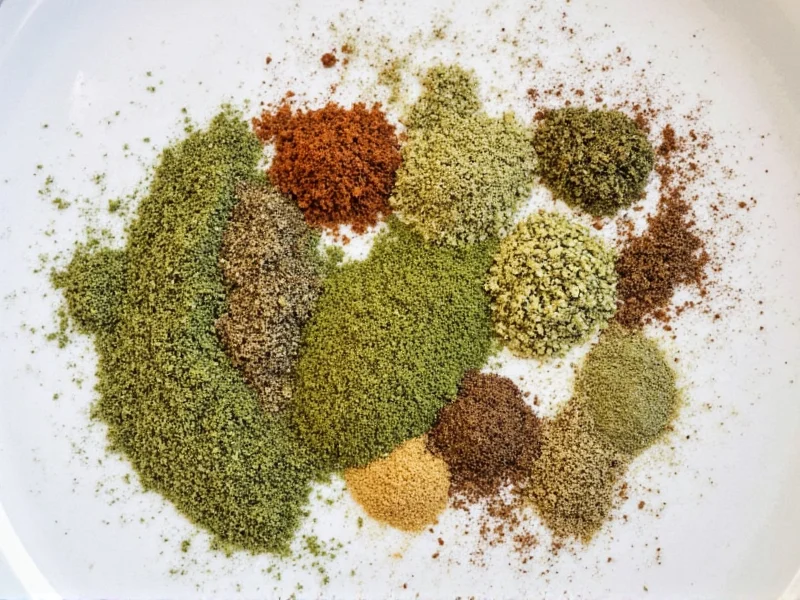
Understanding what makes green goddess spices special begins with recognizing their culinary heritage. Originally developed as a creamy dressing at San Francisco's Palace Hotel in the 1920s, the modern spice blend adaptation offers home cooks a convenient dry alternative that captures the essence of this beloved flavor profile without dairy or perishable ingredients. This evolution has made the distinctive green goddess taste accessible year-round with extended shelf life.
The Essential Components of Green Goddess Spices
Authentic green goddess spice blends maintain the core herbal elements that define this flavor profile. The foundation typically includes:
| Primary Ingredients | Supporting Elements | Flavor Enhancers |
|---|---|---|
| Dried parsley | Garlic powder | Lemon zest |
| Dried chives | Shallot powder | White pepper |
| Dried tarragon | Onion powder | Sea salt |
| Dried basil | Dill weed | Chive flakes |
The precise ratio of these components determines whether the blend leans more toward bright and citrusy or earthy and herbal. Professional chefs often adjust the garlic-to-herb ratio based on intended applications, with higher garlic content working better for roasted vegetables while more delicate herb-forward blends complement fish and poultry.
Culinary Applications and Pairing Recommendations
Green goddess spices shine in applications where fresh herb flavors would traditionally enhance a dish. Unlike the original dressing which requires refrigeration and has limited shelf life, the dry spice version offers remarkable versatility across cooking methods:
- Vegetable seasoning: Toss roasted asparagus, zucchini, or potatoes with olive oil and green goddess spices before cooking
- Protein enhancement: Create a dry rub for chicken, fish, or tofu by combining the spice blend with a small amount of oil
- Grain finishing: Stir into cooked quinoa, farro, or rice just before serving for instant herbaceous flavor
- Dip and spread base: Mix with Greek yogurt or mayonnaise to recreate the traditional dressing format
- Soup and sauce accent: Add during the final minutes of cooking to preserve the delicate herbal notes
When incorporating green goddess spices into recipes, remember that dried herbs have more concentrated flavor than fresh. As a general rule, use one-third the amount of dried herbs compared to fresh. For best results, add the spice blend during the final 5-10 minutes of cooking to preserve the volatile aromatic compounds that define its distinctive character.
Creating Your Own Green Goddess Spice Blend
While commercial green goddess spice blends are available, crafting your own offers superior freshness and customization. The following proportions create a balanced blend that captures the essence of this classic flavor profile:
- Combine 3 tablespoons dried parsley, 1½ tablespoons dried chives, and 1 tablespoon dried tarragon in a small bowl
- Add 1½ teaspoons garlic powder, 1 teaspoon shallot powder, and ½ teaspoon onion powder
- Mix in 1 teaspoon lemon zest (dried), ½ teaspoon sea salt, and ¼ teaspoon white pepper
- Store in an airtight container away from light and heat
For those seeking to replicate the creamy element of traditional Green Goddess dressing without dairy, consider adding ½ teaspoon nutritional yeast to your homemade blend. This addition creates a subtle umami depth that mimics the anchovy notes found in some traditional recipes. Properly stored in a dark glass jar, your homemade green goddess spices will maintain optimal flavor for 4-6 months.
Storage and Shelf Life Considerations
Dried herb blends like green goddess spices gradually lose potency when exposed to environmental factors. To maximize shelf life and flavor retention:
- Store in airtight containers away from direct sunlight
- Avoid storing above stoves or near heat sources
- Keep away from humidity sources like dishwashers or sinks
- Label containers with creation date for freshness tracking
Unlike single-ingredient spices, herb blends degrade more quickly due to varying moisture contents and volatile oil compositions. For optimal flavor, use homemade green goddess spice blends within 6 months and commercial blends within 12 months of opening. A simple freshness test involves rubbing a small amount between your fingers—if the aroma is weak or musty, it's time to replace your blend.
Substitution Strategies and Flavor Variations
When green goddess spices aren't available, strategic substitutions can approximate the flavor profile. Consider these alternatives based on your specific recipe needs:
- For vegetable roasting: Herbes de Provence with added lemon zest and garlic powder
- For fish seasoning: Dill weed, parsley, lemon zest, and a touch of tarragon
- For creamy dressings: Ranch seasoning mix with additional parsley and chives
- For grain dishes: Italian seasoning with increased parsley and added lemon
Culinary enthusiasts often experiment with regional variations of green goddess spices. Mediterranean versions might incorporate oregano and mint, while California-inspired blends sometimes include avocado oil powder for enhanced richness. The beauty of this versatile seasoning lies in its adaptability to personal taste preferences and regional ingredient availability.
Understanding Quality Indicators in Green Goddess Spices
When evaluating commercial green goddess spice blends, certain quality markers distinguish superior products. Vibrant green color indicates proper drying techniques and freshness, while dull or brownish hues suggest age or improper storage. High-quality blends maintain distinct herbal aromas rather than a generic "spicy" smell.
Check ingredient lists for unnecessary additives—pure green goddess spices should contain only herbs, aromatics, and minimal salt. Blends listing "spice blend" as an ingredient without specifying components typically contain fillers that dilute flavor intensity. For the most authentic experience, seek products that include both leafy herbs (parsley, tarragon) and bulb elements (chives, shallot) to capture the complete flavor spectrum.
Seasonal Adaptation of Green Goddess Flavors
The versatility of green goddess spices extends to seasonal cooking applications. During spring and summer, the bright herbal notes complement fresh vegetables and light proteins. In fall and winter, the same blend can cut through richer dishes—try adding to root vegetable roasts or incorporating into compound butter for grilled meats.
Chefs increasingly recognize how green goddess spices bridge seasonal transitions. The lemon element provides brightness during darker months, while the herbal base connects to summer garden flavors. This adaptability explains why professional kitchens maintain this blend year-round rather than treating it as a seasonal specialty.
What's the difference between green goddess dressing and green goddess spices?
Green goddess dressing is a creamy, perishable condiment typically made with mayonnaise, sour cream, and fresh herbs, while green goddess spices refer to a dry herb and spice blend that captures the essential flavors in a shelf-stable format without dairy components.
Can I use green goddess spices as a replacement for fresh herbs?
Yes, but with adjustments—use one-third the amount of green goddess spices compared to fresh herbs since dried herbs have more concentrated flavor. Add during the final 5-10 minutes of cooking to preserve delicate aromatics.
How long do green goddess spices maintain their flavor?
Homemade blends retain optimal flavor for 4-6 months when stored properly in airtight containers away from light and heat. Commercial blends typically maintain quality for 12 months after opening. The aroma should be vibrant and distinctly herbal when fresh.
What dishes work best with green goddess spices?
Green goddess spices excel with roasted vegetables, grilled chicken or fish, grain salads, and as a finishing touch for soups. They particularly enhance spring vegetables like asparagus, peas, and artichokes, but work year-round in creative applications from roasted root vegetables to compound butters.
Are green goddess spices suitable for special diets?
Most green goddess spice blends are naturally gluten-free, vegan, and paleo-friendly as they typically contain only dried herbs, aromatics, and salt. Always check labels if following specific dietary protocols, as some commercial blends may include anti-caking agents or additional ingredients.




 浙公网安备
33010002000092号
浙公网安备
33010002000092号 浙B2-20120091-4