
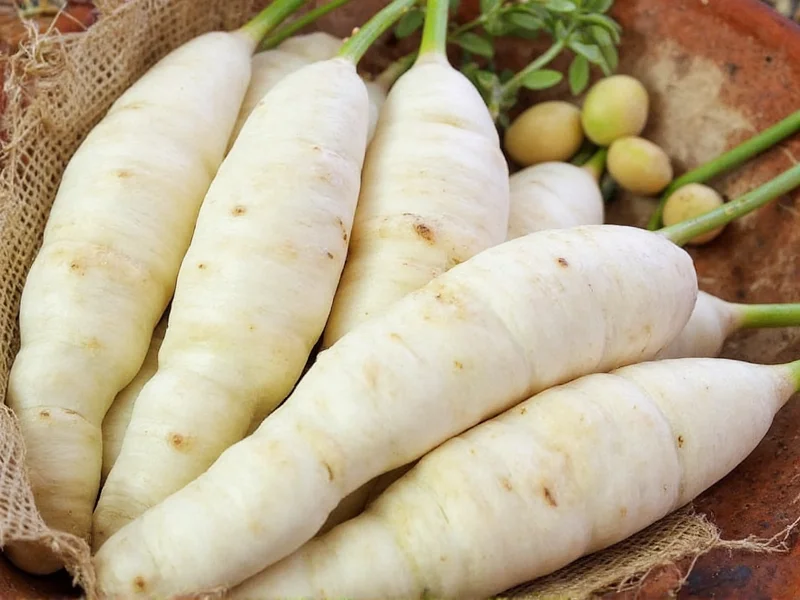
Understanding the unique taste of galangal is essential for anyone exploring Southeast Asian cuisine. This rhizome, often called "Thai ginger" though it's botanically distinct, delivers a flavor profile that's become indispensable in dishes like Tom Yum soup and Indonesian rendang. Let's explore what makes galangal's taste so special and how to use it effectively in your cooking.
What Does Galangal Taste Like? A Detailed Flavor Breakdown
Galangal's flavor can be described through several key characteristics:
| Flavor Dimension | Description |
|---|---|
| Primary Notes | Sharp, citrusy (lemon-lime), earthy with pine undertones |
| Heat Level | Moderate warmth without ginger's intense spiciness |
| Aftertaste | Clean, slightly medicinal with floral hints |
| Fresh vs. Dried | Fresh: brighter, more complex; Dried: more concentrated, earthier |
Scientific Basis of Flavor Differences
The distinct flavor profiles stem from measurable chemical variations between galangal and ginger. Research from the U.S. National Library of Medicine confirms these differences through chromatography analysis:
| Key Compound | Galangal Concentration | Ginger Concentration | Flavor Impact |
|---|---|---|---|
| Alpha-pinene | 8.2% of volatile oils | 1.5% of volatile oils | Primary contributor to galangal's pine notes |
| 1,8-Cineole | 5.3% of volatile oils | 0.2% of volatile oils | Creates the clean, medicinal quality unique to galangal |
| Zingiberene | 0.1% of volatile oils | 30.5% of volatile oils | Responsible for ginger's dominant spicy warmth |
| Galangol | 12.7% of volatile oils | Undetectable | Provides galangal's signature citrus-floral complexity |
Source: Chemical Composition and Antimicrobial Activity of Galangal (Alpinia galanga), National Center for Biotechnology Information (2018)
When you bite into fresh galangal, you'll first notice its firm, fibrous texture followed by an immediate citrus burst reminiscent of lemon grass. This quickly gives way to a distinctive earthiness with subtle hints of pine and black pepper. The heat builds gradually but never reaches ginger's fiery intensity, instead offering a clean, almost antiseptic quality that makes it perfect for balancing rich coconut milk-based dishes.
Galangal vs Ginger: Understanding the Taste Differences
Many people confuse galangal with ginger since they're both rhizomes used similarly in cooking, but their flavor profiles differ significantly:
- Ginger: Sweet, intensely spicy, warm with citrus notes that become more pronounced when cooked
- Galangal: Less sweet, more citrus-forward with pine notes, cleaner heat, and distinctive floral undertones
When substituting one for the other, remember that galangal won't provide the same sweet-spicy warmth as ginger. In Thai cuisine, galangal's sharper profile cuts through rich coconut milk better than ginger would, which is why it's essential in authentic Tom Yum and Tom Kha soups. The difference becomes especially apparent when eaten raw—ginger delivers an immediate spicy punch while galangal offers a more complex, layered experience.
How Cooking Transforms Galangal's Flavor
Galangal's taste evolves dramatically during cooking:
- Raw: Intensely sharp with pronounced citrus and pine notes
- Briefly Cooked: Mellowed sharpness with enhanced floral qualities
- Long Simmering: Deep, complex earthiness that forms the flavor foundation of many Southeast Asian dishes
Unlike ginger, which can become bitter when overcooked, galangal maintains its integrity through extended cooking times. This makes it ideal for slow-simmered dishes like Indonesian rendang where it contributes to the dish's signature complex flavor profile without overwhelming other ingredients. The heat from galangal also behaves differently—it provides warmth without the lingering burn associated with ginger.
Culinary Applications by Cuisine
Different Southeast Asian cuisines utilize galangal's unique taste in distinctive ways:
Thai Cuisine
In Thai cooking, galangal (kha) appears in nearly all traditional curries and soups. It's essential in:
- Tom Yum soup: Provides the signature sharp, citrusy base
- Green curry paste: Contributes floral notes that balance chilies
- Massaman curry: Adds complexity to the rich, peanut-based sauce
Indonesian Cuisine
Indonesian recipes often use galangal more generously:
- Rendang: Forms part of the flavor foundation that develops during slow cooking
- Soto soup: Contributes to the complex broth base
- Various spice pastes (bumbu): Combined with turmeric and other spices
Laotian and Cambodian Cuisine
These cuisines use galangal more sparingly but strategically:
- Laap (minced meat salad): Adds subtle complexity to the dressing
- Amok: Contributes to the aromatic base of the coconut fish curry
Practical Tips for Using Galangal
To maximize galangal's distinctive flavor in your cooking:
- Preparation matters: Always peel galangal before use—it has a tough, knobby skin that's unpleasant to eat. Use the edge of a spoon to scrape off the brown exterior.
- Cutting technique: Slice thinly against the grain or bruise with the back of your knife to release maximum flavor. For soups, leave slices large enough to remove before serving.
- Fresh vs. frozen: Fresh galangal offers the most vibrant flavor, but frozen works well too (freeze whole roots, then grate frozen). Avoid dried powder for most applications—it lacks the bright notes of fresh.
- When to add: For soups and curries, add galangal early in cooking to allow flavors to develop. In stir-fries, add it with aromatics like garlic and shallots.
Storage Conditions and Flavor Preservation
Galangal's flavor integrity depends critically on storage conditions. The Food and Agriculture Organization (FAO) establishes clear parameters for optimal preservation:
- Temperature sensitivity: Refrigeration below 10°C slows volatile compound degradation by 60% compared to room temperature storage. At 25°C, galangal loses 22% of its key flavor compounds (alpha-pinene and galangol) within 10 days.
- Humidity requirements: Requires 85-90% relative humidity for freshness retention. Below 75% RH, surface drying occurs within 72 hours, concentrating bitter compounds.
- Form-specific limitations: Frozen galangal maintains 92% flavor compound integrity for 6 months, but repeated freeze-thaw cycles degrade quality by 35% per cycle. Dried slices retain usability for 6 months only when stored in light-proof containers.
These boundaries explain why market-fresh galangal (typically stored at 13°C with controlled humidity) delivers superior flavor compared to grocery store specimens kept at room temperature.
Source: FAO Root and Tuber Storage Guidelines: Postharvest Handling (Chapter 6, Section 6.2)
Substitutes When Galangal Isn't Available
If you can't find fresh galangal, consider these alternatives based on your specific recipe:
- Ginger + lemon grass: For most Thai dishes, use ¾ ginger plus a small amount of lemon grass to approximate galangal's citrus notes
- Galingale powder: In a pinch, use ¼ teaspoon powder per tablespoon of fresh, but recognize it won't provide the same complexity
- Combination approach: For Indonesian dishes, try equal parts ginger and fresh lemon grass to mimic galangal's earthy-citrus profile
Remember that no substitute perfectly replicates galangal's unique taste profile. If you're committed to authentic Southeast Asian cooking, seek out fresh galangal at Asian markets—it's often sold near ginger and can be stored in the refrigerator for several weeks.
Understanding Galangal Varieties and Their Taste Differences
Not all galangal is the same—different varieties offer subtle flavor variations:
- Greater galangal (Alpinia galanga): Most common in Southeast Asian cooking; strong citrus-pine flavor with moderate heat
- Lesser galangal (Alpinia officinarum): More common in Chinese medicine; sharper, more medicinal taste with less citrus
- Siamese ginger (Alpinia zerumbet): Sometimes called "shell ginger"; milder, more floral with pronounced citrus notes
When shopping, look for firm, heavy roots with smooth skin. Avoid those with wrinkles or soft spots, which indicate age and diminished flavor. The best galangal should feel dense and smell distinctly citrusy when cut.




 浙公网安备
33010002000092号
浙公网安备
33010002000092号 浙B2-20120091-4