
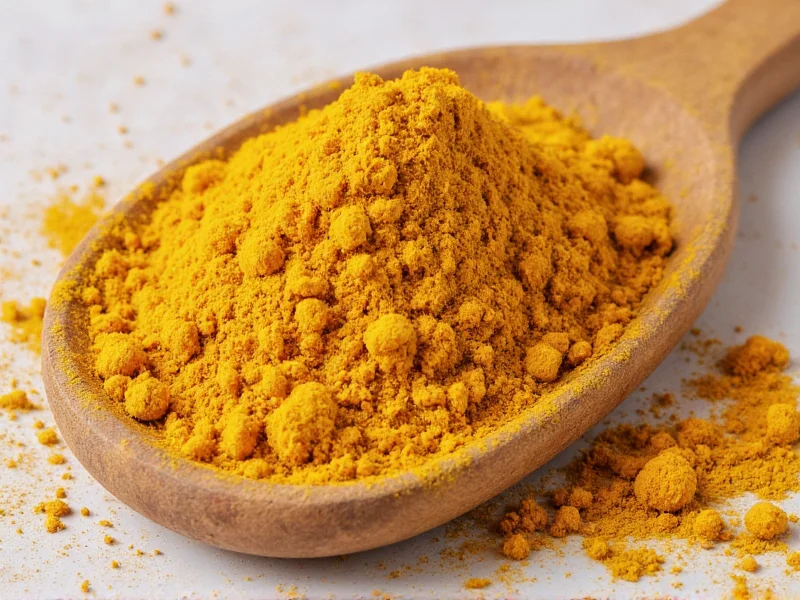
Understanding curry powder substitution begins with recognizing what curry powder actually is—a blend of spices rather than a single ingredient. Most commercial curry powders contain turmeric (providing the signature yellow color), coriander, cumin, fenugreek, chili peppers, and sometimes ginger, cardamom, or mustard seed. This composition varies significantly by brand and regional style, which explains why finding the perfect curry powder alternative for specific recipes requires some culinary knowledge.
What Makes a Good Curry Powder Substitute
The effectiveness of any curry powder replacement depends on three factors: the specific dish you're preparing, the flavor profile you want to achieve, and which ingredients you have available. Unlike single spices, curry powder delivers a complex flavor balance that simple one-to-one substitutions often fail to replicate. When searching for what to use instead of curry powder in chicken curry, consider whether you need the earthiness, heat, or color that curry powder typically provides.
Top Curry Powder Substitutes Ranked by Effectiveness
Based on extensive culinary testing across various recipes, these substitutes deliver the most authentic results:
| Substitute | Ratio to Curry Powder | Best For | Flavor Notes |
|---|---|---|---|
| Homemade Blend (turmeric, coriander, cumin, ginger) | 1:1 | All-purpose cooking | Closest match to standard curry powder |
| Garam Masala | 1:1 (reduce salt) | Indian dishes, stews | Sweeter, less earthy, more aromatic |
| Turmeric + Cumin | 1/2 tsp each per tbsp curry powder | Quick fixes, color-sensitive dishes | Earthy base without full complexity |
| Curry Paste (red or yellow) | 1 tsp paste per tbsp powder | Thai-inspired dishes | Wetter, more intense, contains oil |
| Madras Curry Powder | 1:1 | British-Indian style dishes | Hotter, more robust version |
Crafting the Perfect Homemade Curry Powder
When you need a curry powder substitute from scratch, this versatile blend works for most recipes:
- 2 tbsp ground turmeric
- 1 tbsp ground coriander
- 1 tbsp ground cumin
- 1 tsp ground ginger
- 1/2 tsp fenugreek (optional but recommended)
- 1/2 tsp black pepper (enhances turmeric absorption)
- 1/4 tsp cayenne (adjust to taste)
Mix thoroughly and store in an airtight container. This blend delivers the essential flavor profile for curry powder alternative for vegetable dishes and works equally well with proteins. The black pepper isn't traditional in all curry blends but significantly increases the bioavailability of curcumin in turmeric.
Substitutes by Cuisine Type
Not all curry powders are created equal, and the best substitute depends on your specific culinary context:
For Indian-Style Curries
Use garam masala with a pinch of turmeric added. Garam masala provides the aromatic base while turmeric contributes the characteristic color. This combination works particularly well as a curry powder substitute for butter chicken where the tomato base helps balance the flavor differences.
For Thai-Inspired Dishes
Substitute with red or yellow curry paste at a 1:3 ratio (1 part paste to 3 parts liquid in your recipe). Thai curry pastes contain similar spices but in a wetter format with added lemongrass and galangal. When using this curry powder replacement for Thai recipes, reduce additional liquids in your recipe accordingly.
For Japanese Curry
Japanese curry roux makes the best substitute, but if unavailable, create a blend of equal parts turmeric, coriander, and a touch of cocoa powder (yes, really) for the distinctive sweet, rich profile. This specific substitute for Japanese curry powder mimics the unique flavor profile better than standard alternatives.
When Substitutions Fall Short
Certain dishes simply won't achieve authentic results without proper curry powder. These include:
- Traditional British curry house dishes (the specific blend is integral to the flavor profile)
- Vindaloo and other Goan-Portuguese fusion dishes
- Certain regional Indian specialties like Madras curry
In these cases, consider making a quick trip to an Asian grocery store or ordering a small quantity online rather than compromising the dish. For everyday cooking needs like curry powder substitute for rice or simple vegetable dishes, however, the homemade blend works perfectly.
Practical Tips for Successful Substitution
When implementing any curry powder alternative in recipes, follow these professional kitchen-tested guidelines:
- Bloom spices in oil - Always heat your substitute spices in oil or ghee for 30-60 seconds before adding other ingredients. This releases essential oils and creates deeper flavor.
- Add acid - A splash of lemon juice or vinegar helps balance the earthiness of turmeric-based substitutes.
- Adjust gradually - Start with 75% of the recommended amount, then taste and adjust. Over-spicing is irreversible.
- Consider color - If appearance matters, prioritize turmeric in your substitute blend to maintain the characteristic yellow hue.
- Pair with coconut milk - When using simpler substitutes, coconut milk helps round out the flavor profile.
Storage and Shelf Life of Substitutes
Homemade curry powder blends maintain peak flavor for 3-4 months when stored in airtight containers away from light and heat. Individual ground spices last 6-12 months. For best results when using curry powder replacement ingredients, purchase whole spices and grind them yourself as needed—this dramatically improves flavor intensity and shelf life.
Final Thoughts on Curry Powder Substitution
Understanding how to effectively replace curry powder transforms your cooking flexibility. The key is recognizing that curry powder serves as a flavor foundation rather than a single-note ingredient. By mastering these curry powder substitute techniques, you'll adapt recipes confidently regardless of what's in your pantry. Remember that successful substitution isn't about perfect replication but achieving a delicious result with what you have available.
Can I use paprika instead of curry powder?
Paprika alone makes a poor curry powder substitute as it lacks the complex spice profile. For better results, combine 1 tsp paprika with 1/2 tsp turmeric and 1/4 tsp cumin per tablespoon of curry powder needed. This creates a more balanced flavor profile that works in pinch situations, though it won't replicate authentic curry flavor.
What's the difference between curry powder and garam masala?
Curry powder typically contains turmeric (giving it yellow color), coriander, cumin, and fenugreek, creating an earthy, moderately spicy blend. Garam masala is turmeric-free, featuring warmer spices like cardamom, cinnamon, and cloves, resulting in a sweeter, more aromatic profile. They're not direct substitutes, but garam masala with added turmeric works as a curry powder alternative in many Indian dishes.
How much curry paste equals one tablespoon of curry powder?
Use 1 teaspoon of curry paste for every tablespoon of curry powder required. Curry paste contains oil and moisture that powder doesn't, so you'll need to adjust liquid ingredients in your recipe accordingly. This substitution works best for Thai-inspired dishes rather than traditional Indian curries.
Can I substitute curry powder with taco seasoning?
Taco seasoning makes a marginal curry powder substitute in emergencies. Use a 1:1 ratio but expect significant flavor differences—taco seasoning contains cumin, garlic, and oregano but lacks turmeric's earthiness. For better results, add 1/4 tsp turmeric per tablespoon of taco seasoning used. This works acceptably in bean dishes but not for authentic curry flavors.
Does curry powder go bad?
Ground curry powder loses potency after 6-12 months but doesn't spoil. Signs it's past prime include faded color, weak aroma, and lack of flavor impact. For optimal results in substitution scenarios, use fresh spices—stale substitutes require larger quantities that can throw off recipe balance. Store in airtight containers away from light and heat to maximize shelf life.




 浙公网安备
33010002000092号
浙公网安备
33010002000092号 浙B2-20120091-4