
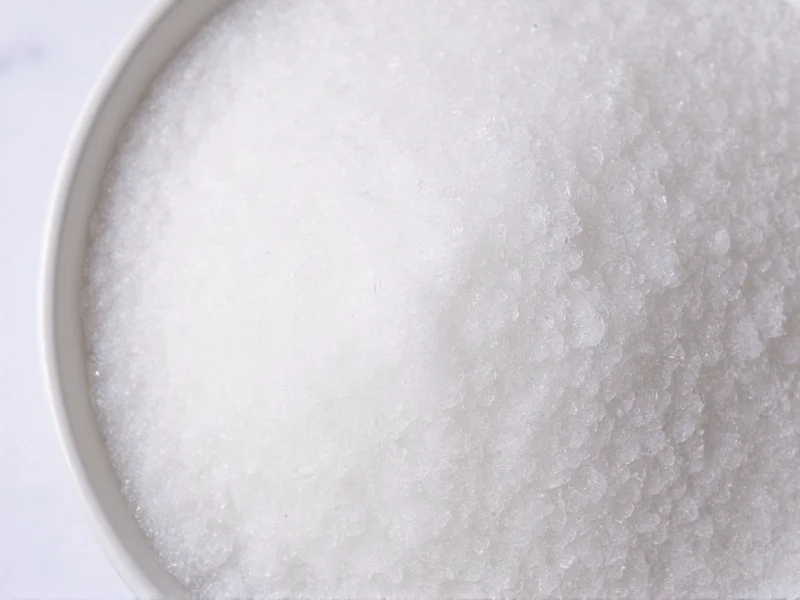
Reducing sodium intake is a common health goal, particularly for the estimated 47% of adults with hypertension. Finding effective salt replacements isn't just about cutting sodium—it's about maintaining flavor while supporting cardiovascular health. This comprehensive guide examines scientifically-backed alternatives that deliver on both taste and health benefits.
Why Consider Salt Replacement?
Excessive sodium consumption contributes to high blood pressure, heart disease, and stroke. The American Heart Association recommends no more than 2,300 mg of sodium daily, with an ideal limit of 1,500 mg for most adults. Unfortunately, the average American consumes about 3,400 mg daily—primarily from processed foods and table salt.
For individuals managing hypertension, kidney disease, or heart conditions, finding suitable salt replacements becomes essential. The right alternative can reduce sodium intake by 25-70% while maintaining palatable flavors in everyday cooking.
Science-Backed Salt Replacement Options
Not all salt substitutes deliver equal benefits. Understanding the composition and effects of each option helps make informed choices:
| Replacement Type | Sodium Reduction | Key Components | Best For | Considerations |
|---|---|---|---|---|
| Potassium chloride blends | 60-70% less sodium | Potassium chloride, small amount of sodium | General hypertension management | Avoid with kidney disease or certain medications |
| Herb and spice blends | 100% sodium-free | Garlic, onion, citrus zest, herbs | All dietary restrictions | Requires adjustment to flavor profiles |
| Reduced-sodium salts | 25-50% less sodium | Mix of sodium chloride and potassium chloride | Gradual sodium reduction | Still contains significant sodium |
| Mineral salts (Himalayan, sea salt) | Negligible reduction | Trace minerals, slightly less sodium chloride | Flavor enhancement | Not a true sodium reduction strategy |
Evolution of Salt Substitutes: Scientific Milestones
Development of effective salt substitutes has progressed through distinct scientific phases, each addressing previous limitations. Key advancements demonstrate how evidence-based improvements have enhanced safety and efficacy:
- 1980: FDA established potassium chloride as Generally Recognized As Safe (GRAS) for food use, enabling first-generation substitutes despite metallic aftertaste challenges. FDA 21 CFR 184.1
- 2006: American Heart Association's landmark statement linked sodium reduction to cardiovascular risk mitigation, accelerating development of flavor-masking technologies. AHA Scientific Statement
- 2019: National Academies' comprehensive review validated potassium-enriched substitutes as effective population-level intervention with specific formulation guidelines. National Academies Report
- 2023: NEJM trial confirmed 14% stroke risk reduction using modern potassium-magnesium blends in high-risk populations, establishing clinical efficacy benchmarks. NEJM Study
Health Considerations for Salt Substitutes
While potassium-based salt substitutes effectively reduce sodium intake, they're not appropriate for everyone. Individuals with chronic kidney disease or those taking ACE inhibitors, ARBs, or potassium-sparing diuretics must avoid high-potassium alternatives due to the risk of hyperkalemia (dangerously high potassium levels).
A 2023 study published in The New England Journal of Medicine found that replacing regular salt with a potassium-enriched substitute reduced stroke risk by 14% and major cardiovascular events by 13% in a population of 20,995 adults with a history of stroke or hypertension. However, the study excluded participants with severe kidney impairment.
Contextual Limitations of Salt Substitutes
Effectiveness varies significantly across usage scenarios. Recognizing these evidence-based boundaries prevents ineffective implementation:
- Baking Applications: Potassium chloride disrupts yeast fermentation above 30% substitution levels. University of Minnesota research confirms texture degradation in breads when exceeding this threshold. University of Minnesota Extension
- Renal Function Thresholds: National Kidney Foundation guidelines prohibit potassium substitutes for stage 4 CKD (eGFR <30 mL/min/1.73m²) due to hyperkalemia mortality risk, while stage 3B (eGFR 30-44) requires nephrologist supervision. NKF Clinical Guidelines
- Preservation Requirements: USDA food safety protocols mandate minimum sodium concentrations (≥6%) for cured meats due to pathogen inhibition properties absent in substitutes. USDA Preservation Standards
Practical Cooking with Salt Replacements
Successfully incorporating salt alternatives requires understanding their flavor profiles and limitations:
- Potassium chloride substitutes often have a slightly metallic aftertaste. Combine with garlic or onion powder to mask this effect when seasoning meats.
- Herb-based blends work best when added early in cooking to allow flavors to meld. Create your own mix with equal parts dried rosemary, thyme, garlic powder, and black pepper.
- Lemon and vinegar enhance salt perception—add citrus zest or a splash of vinegar to dishes using reduced-sodium seasonings.
- Gradual transition helps retrain your palate. Start by replacing 25% of your regular salt, increasing the proportion over several weeks.
Creating Effective Homemade Blends
Commercial salt substitutes often contain anti-caking agents and additives. Making your own provides complete control over ingredients:
Basic Heart-Healthy Blend:
2 parts potassium chloride (if appropriate for your health)
1 part garlic powder
1 part onion powder
1/2 part dried thyme
1/2 part black pepper
Complete Sodium-Free Option:
2 parts dried basil
2 parts dried oregano
1 part dried rosemary
1 part dried thyme
1 part garlic powder
1 part onion powder
1/2 part cayenne pepper (optional)
Implementing Sustainable Changes
The most effective salt replacement strategy focuses on gradual, sustainable changes rather than complete elimination. Research shows that reducing sodium intake too quickly often leads to abandonment of the effort. Instead, implement these evidence-based approaches:
- Use salt replacements primarily for seasoning at the table, where reductions have the most noticeable impact
- Focus on whole, unprocessed foods which naturally contain less sodium
- Read labels carefully—many "healthy" products still contain high sodium levels
- Allow 4-6 weeks for your taste buds to adjust to lower sodium levels
Remember that salt replacement is just one component of a heart-healthy diet. Combining sodium reduction with increased potassium intake from fruits and vegetables delivers the most significant cardiovascular benefits.




 浙公网安备
33010002000092号
浙公网安备
33010002000092号 浙B2-20120091-4