
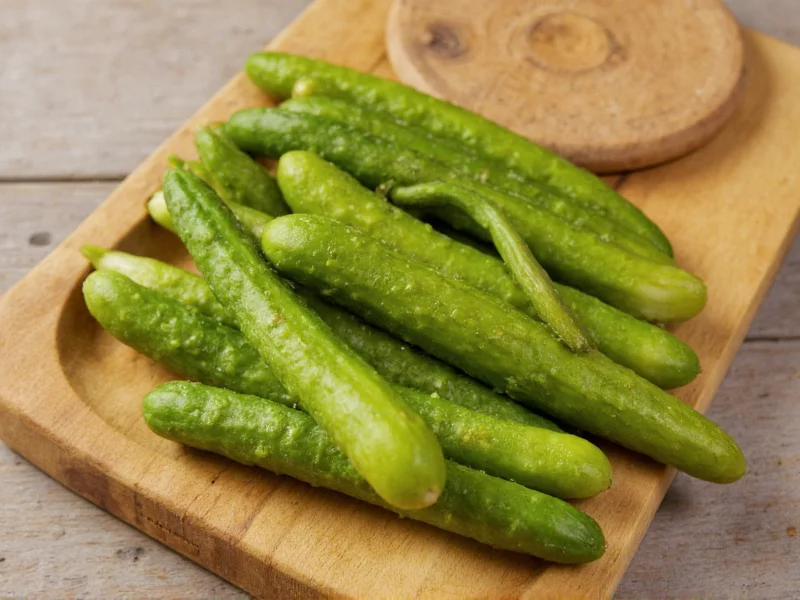
Pickles are cucumbers that have been preserved through a process called pickling, but not all pickles are made from cucumbers. The term 'pickle' refers to any vegetable preserved in brine or vinegar solution, while cucumbers are the fresh vegetable that most commonly become what we call 'pickles' in everyday language. Understanding the difference between pickles and cucumbers requires examining the transformation process that turns a fresh cucumber into a tangy, preserved treat.
When exploring the relationship between pickles and cucumbers, it's essential to clarify this common culinary confusion. Many people wonder: are pickles just cucumbers? The straightforward answer is that pickles begin as cucumbers but undergo a significant transformation. This distinction matters for home cooks, food enthusiasts, and anyone trying to understand basic food preparation techniques.
The Fundamental Relationship Between Cucumbers and Pickles
Cucumbers serve as the primary raw material for what most Americans recognize as "pickles." However, the journey from garden-fresh cucumber to pantry staple involves a preservation process that fundamentally changes the vegetable's characteristics. The term "pickle" actually describes the end product of this preservation method rather than a specific vegetable.
Understanding how cucumbers become pickles requires examining the pickling process itself. This ancient food preservation technique has been used for thousands of years across various cultures. When people ask "what makes a pickle a pickle," the answer lies in this transformation process rather than the starting ingredient.
What Exactly Constitutes a Pickle?
A pickle is any food preserved through pickling—a method that typically involves submerging food in an acidic solution, usually vinegar, or through fermentation in a brine solution. This preservation technique serves multiple purposes: extending shelf life, enhancing flavor, and sometimes improving nutritional value.
The confusion between pickles and cucumbers stems from regional language differences. In many English-speaking countries outside North America, "pickle" refers to the pickling solution itself rather than specifically to pickled cucumbers. This linguistic variation contributes to the common question: are all pickles made from cucumbers?
| Characteristic | Cucumber | Pickle (Cucumber-Based) |
|---|---|---|
| Water Content | 95% water | Approximately 94% water |
| Calories (per 100g) | 15 calories | 11-18 calories |
| Preparation Method | Harvested fresh | Preserved in brine/vinegar |
| Shelf Life | 1-2 weeks refrigerated | 1-2 years unopened |
| Flavor Profile | Mild, slightly sweet | Tangy, sour, often spiced |
The Cucumber-Pickle Transformation Process
The journey from cucumber to pickle involves several critical steps that transform both the texture and flavor of the vegetable. This homemade pickling process typically follows one of two methods: quick pickling using vinegar or traditional fermentation.
Vinegar-based pickling works through acidification—the vinegar solution lowers the pH, creating an environment inhospitable to harmful bacteria while imparting that characteristic tangy flavor. This method produces ready-to-eat pickles within days. In contrast, fermented pickles undergo a lactic acid fermentation process where naturally occurring bacteria convert sugars to lactic acid over several weeks, creating complex flavors and beneficial probiotics.
Not all cucumbers make ideal pickles. Specific varieties like Kirby or Persian cucumbers are preferred for pickling because of their firm texture, small size, and fewer seeds. These characteristics help them maintain crunchiness during the pickling process—a quality many pickle enthusiasts consider essential.
Historical Evolution of Pickling Techniques
Pickling represents one of humanity's earliest food preservation innovations, with archaeological evidence tracing its origins to ancient Mesopotamia. Understanding this historical context reveals how cultural exchange and technological advances shaped modern pickling practices. The U.S. Department of Agriculture recognizes pickling as a critical food safety technique that evolved through centuries of empirical refinement.
| Time Period | Key Development | Historical Significance |
|---|---|---|
| 2400 BC | Earliest documented cucumber pickling in Mesopotamia | Archaeological evidence from the Tigris Valley indicates cucumbers from India were preserved in acidic brines, establishing pickling as a vital preservation method in ancient trade routes. Source: National Center for Home Food Preservation |
| 1670 | First English-language pickle recipe published | Hannah Woolley's "The Queen-Like Closet" included standardized instructions for pickling cucumbers, making the technique accessible to European households and influencing transatlantic culinary practices. Source: British Library |
| 1810 | Nicolas Appert develops heat-processing preservation | Though focused on canning, Appert's method revolutionized acidic preservation techniques, enabling safer long-term storage of pickled products and establishing scientific principles for modern food safety. Source: National Center for Home Food Preservation |
Critical Context Boundaries in Pickling
Successful pickling requires precise adherence to specific chemical and environmental parameters. Deviations beyond critical thresholds compromise both safety and quality, making understanding these boundaries essential for home and commercial producers alike. The U.S. Department of Agriculture establishes strict guidelines to prevent foodborne illness while maintaining desired texture and flavor. These evidence-based parameters explain why seemingly minor recipe variations produce dramatically different results.
| Parameter | Safe Range | Critical Boundary | Consequence of Violation |
|---|---|---|---|
| Salt concentration (fermented pickles) | 2.5% - 5% by weight | <2.5%: Insufficient to prevent spoilage >5%: Inhibits lactic acid bacteria |
Soft texture, mold growth, or failed fermentation leading to unsafe product |
| pH level (vinegar pickles) | ≤ 4.6 | >4.6 | Botulism risk and growth of pathogenic bacteria |
| Vinegar acidity | ≥5% acetic acid | <5% | Inadequate acidification, resulting in unsafe preservation and potential spoilage |
These parameters, rigorously validated through USDA food safety research, directly impact consumer safety. For instance, substituting lower-acidity vinegars without adjusting ratios creates potentially hazardous conditions, while precise salt measurement ensures crispness through controlled fermentation. The FDA's Bad Bug Book confirms that pH levels above 4.6 allow Clostridium botulinum growth in low-acid environments.
Types of Pickles Beyond Cucumbers
While cucumber pickles dominate American grocery shelves, the world of pickling extends far beyond this single vegetable. Many cultures pickle a wide variety of vegetables, creating distinctive regional specialties:
- Beet pickles - Common in Eastern European cuisine
- Okra pickles - Popular in Southern United States cooking
- Carrot and daikon pickles - Essential in Vietnamese cuisine (do chua)
- Cauliflower pickles - Featured in Indian and Middle Eastern dishes
- Pickled onions - Used globally as a condiment
This diversity demonstrates why the question "are pickles just cucumbers" has a more nuanced answer than many realize. The pickling process applies to numerous vegetables, each yielding unique flavor profiles and culinary applications.
Nutritional Differences: Pickles vs Cucumbers
While both cucumbers and pickles offer hydration and certain nutrients, the pickling process creates notable nutritional differences. The nutritional value of pickles vs cucumbers varies primarily due to the addition of vinegar, salt, and sometimes sugar in the pickling solution.
Fermented pickles develop probiotics that support gut health, making them potentially more beneficial than their fresh cucumber counterparts in this specific regard. However, vinegar-based pickles typically contain higher sodium levels, which consumers with certain health conditions should consider. Understanding these differences helps explain why some people seek information about the nutritional comparison between fresh cucumbers and their preserved counterparts.
Common Misconceptions Clarified
Several persistent myths surround the relationship between pickles and cucumbers. One widespread misconception suggests that pickles are genetically modified cucumbers. In reality, pickles are simply cucumbers that have undergone a preservation process—no genetic modification is involved.
Another common confusion involves gherkins. Many believe gherkins are a different species from cucumbers, but they're actually a specific variety of cucumber (Cucumis sativus) bred for pickling. These small, bumpy cucumbers work particularly well for pickling due to their firm texture and concentrated flavor.
Culinary Applications and Storage
The culinary uses of cucumbers and pickles differ significantly due to their contrasting textures and flavors. Fresh cucumbers excel in salads, sandwiches, and as a hydrating snack, while pickles serve as tangy condiments, cocktail garnishes, and flavor enhancers in numerous dishes.
Storage requirements also differ substantially. Understanding the difference between pickles and cucumbers includes recognizing their vastly different shelf lives. Fresh cucumbers last only 1-2 weeks refrigerated, while properly sealed pickles can remain edible for 1-2 years. Once opened, both should be refrigerated, but pickles maintain quality much longer due to their preserved state.




 浙公网安备
33010002000092号
浙公网安备
33010002000092号 浙B2-20120091-4