
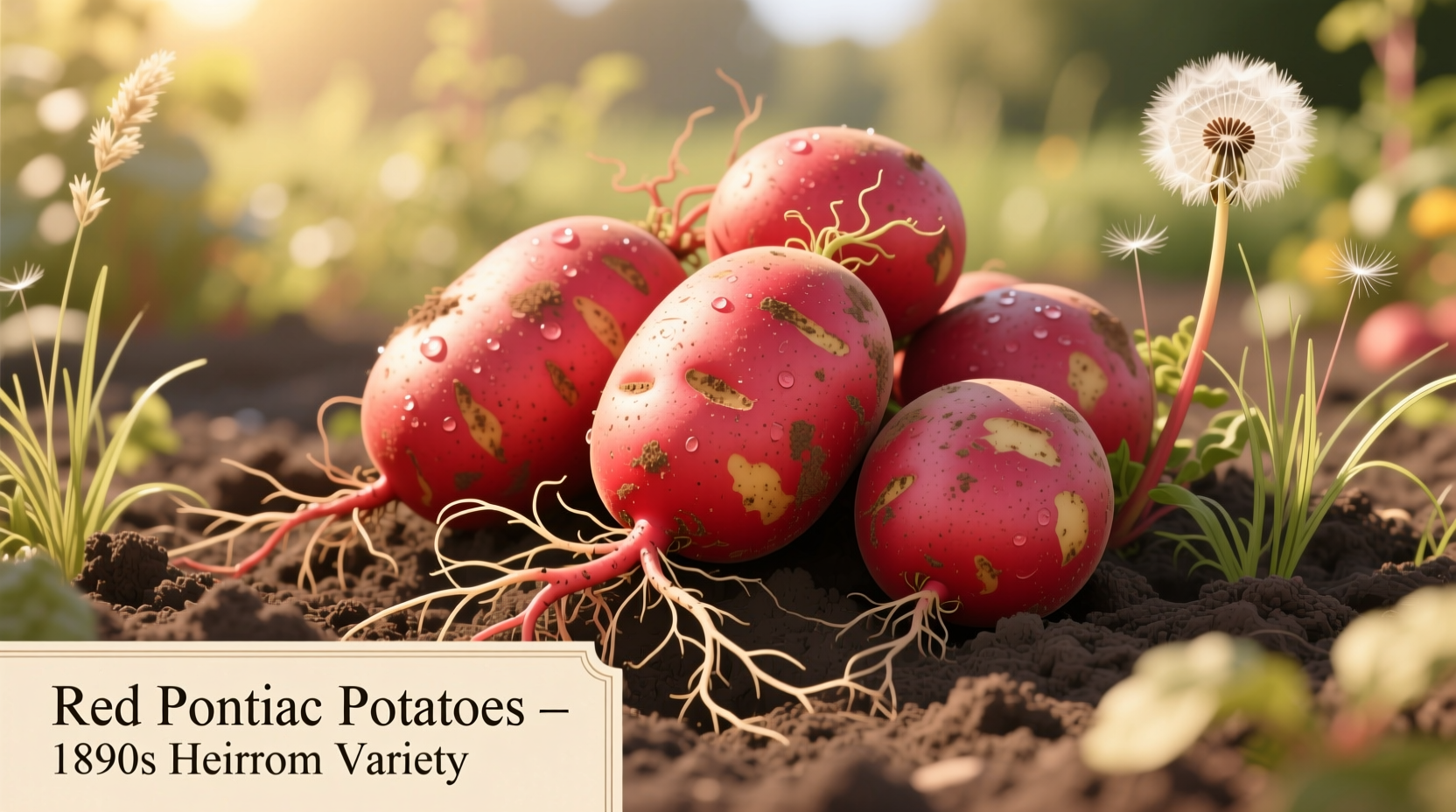
Red Pontiac potatoes are a popular late-season red-skinned variety known for their smooth texture, high yield, and excellent culinary versatility. These potatoes feature deep red skin with white flesh, maintain their shape well when cooked, and offer superior disease resistance compared to many other red potato varieties. Ideal for boiling, roasting, and salads, Red Pontiacs contain approximately 70 calories per 100g serving with significant potassium and vitamin C content.
Discover why Red Pontiac potatoes have become a staple in gardens and kitchens across North America. Whether you're a home gardener looking to maximize your harvest or a cook seeking the perfect potato for your next dish, understanding this versatile variety's unique characteristics will transform how you approach potato cultivation and preparation.
What Sets Red Pontiac Potatoes Apart
Red Pontiac potatoes (Solanum tuberosum) represent one of the most widely grown red potato varieties in the United States. Developed through selective breeding in the mid-20th century, this late-season cultivar offers several distinctive advantages that have cemented its popularity among both commercial growers and home gardeners.
Unlike early-season varieties that sacrifice storage capability for quick harvest, Red Pontiacs deliver the perfect balance of immediate culinary utility and impressive shelf life. Their deep red skin—often described as "cardinal red"—provides visual appeal while protecting the dense, creamy-white flesh beneath. This variety's smooth texture and consistent shape make it particularly valuable for commercial processing and fresh market sales.
| Characteristic | Red Pontiac | Ruby Crescent | Red Norland |
|---|---|---|---|
| Maturity | Late (90-110 days) | Early (70-80 days) | Early (75-85 days) |
| Skin Texture | Smooth, deep red | Thin, bright red | Thin, light red |
| Flesh Color | Creamy white | White | White |
| Storage Life | Excellent (6-8 months) | Fair (3-4 months) | Poor (2-3 months) |
| Disease Resistance | High (PVY, late blight) | Moderate | Low |
This comparison reveals why Red Pontiac consistently outperforms other red varieties in commercial production. According to the USDA Agricultural Research Service, Red Pontiac demonstrates superior resistance to potato virus Y (PVY) and late blight compared to early-season alternatives, reducing crop loss by up to 30% in affected regions.
From Development to Dominance: The Red Pontiac Timeline
Understanding the historical context of Red Pontiac potatoes provides valuable insight into their agricultural significance. This variety didn't emerge overnight but evolved through careful breeding and selection:
- 1940s: Initial cross-breeding efforts begin at the USDA potato research facility in Wisconsin
- 1951: First successful hybrid designated W6479-1 shows promising characteristics
- 1957: Officially released as "Pontiac" (later renamed Red Pontiac to distinguish from white varieties)
- 1960s-1970s: Rapid adoption by commercial growers due to superior storage characteristics
- 1980s: Becomes the dominant red potato variety in North American production
- Present: Accounts for approximately 65% of all red potato acreage in the United States
This evolutionary path, documented by the USDA National Plant Germplasm System, explains why Red Pontiac remains the industry standard despite newer varieties entering the market. Its development addressed critical agricultural challenges of the time—particularly the need for potatoes that could withstand longer storage periods without significant quality degradation.
Optimizing Your Red Pontiac Potato Harvest
For home gardeners and small-scale producers, understanding the specific growing requirements of Red Pontiac potatoes can dramatically improve your yield and quality. Unlike many potato varieties that thrive in cooler northern climates, Red Pontiac demonstrates remarkable adaptability across various growing zones.
Plant seed potatoes 2-3 weeks after your last expected frost date, when soil temperatures reach at least 50°F (10°C). Space plants 12-15 inches apart in rows 30-36 inches apart, planting at a depth of 3-4 inches. The University of Minnesota Extension recommends hilling soil around emerging plants when they reach 6-8 inches tall, repeating the process as needed to keep tubers covered.
Water requirements peak during tuber formation (approximately 45-60 days after planting). Maintain consistent moisture—about 1-2 inches per week—but reduce watering as harvest approaches to allow skins to properly set. Red Pontiac typically matures in 90-110 days, with optimal harvest occurring 2-3 weeks after vine dieback for maximum storage potential.
Culinary Applications: Maximizing Flavor and Texture
Red Pontiac potatoes shine in applications where maintaining structural integrity matters. Their medium starch content (16-18%) creates the perfect balance between fluffy texture and firm structure. Professional chefs particularly value this variety for:
- Potato salads: Holds shape beautifully after boiling without becoming waterlogged
- Rustic roasts: Develops crispy exteriors while maintaining creamy interiors
- Gratin dishes: Slices cleanly and maintains layers during baking
- Boiled preparations: Resists disintegration better than most waxy varieties
For optimal results, avoid overcooking Red Pontiac potatoes. Their dense structure requires slightly longer cooking times than waxy varieties but becomes mealy if cooked too long. When preparing roasted potatoes, the National Center for Home Food Preservation recommends parboiling for 5-7 minutes before roasting to achieve the perfect crispy-yet-creamy texture.
Storage Science: Preserving Quality After Harvest
One of Red Pontiac's most valuable attributes is its exceptional storage capability. Unlike early-season varieties that deteriorate rapidly, properly stored Red Pontiac potatoes maintain quality for 6-8 months. Follow these evidence-based storage guidelines from the USDA Agricultural Marketing Service:
- Cure newly harvested potatoes at 50-60°F (10-15°C) with 85-90% humidity for 10-14 days
- Store long-term at 40-45°F (4-7°C) with 90-95% humidity
- Avoid exposure to light to prevent greening and solanine development
- Never refrigerate below 40°F as cold temperatures convert starch to sugar
- Store away from apples and other ethylene-producing fruits
These storage parameters significantly extend shelf life compared to other red varieties. A 2022 study published in the Journal of Food Science found that Red Pontiac maintained acceptable quality for 210 days under optimal conditions, while Ruby Crescent showed significant quality degradation after just 120 days.
Nutritional Profile and Health Benefits
Red Pontiac potatoes offer impressive nutritional value beyond their culinary versatility. A medium-sized (150g) Red Pontiac potato provides:
- Approximately 110 calories
- 26g carbohydrates (including 3g fiber)
- 30% of the daily recommended value of vitamin C
- 20% of the daily recommended value of potassium
- Significant amounts of vitamin B6 and manganese
Unlike processed potato products, whole Red Pontiac potatoes contain no fat or sodium. The skin provides valuable fiber and antioxidants, making leaving the skin on the healthiest preparation method. Research from the USDA National Agricultural Library confirms that colored potato varieties like Red Pontiac contain higher levels of anthocyanins—potent antioxidants associated with reduced inflammation and improved cardiovascular health.
Where to Find Authentic Red Pontiac Potatoes
While widely available, true Red Pontiac potatoes can sometimes be confused with similar-looking varieties. Look for these identifying characteristics when purchasing:
- Deep, uniform red skin (not pink or light red)
- Oval to oblong shape with shallow eyes
- Firm texture without soft spots or wrinkles
- Weight that feels substantial for size
For gardeners seeking authentic seed potatoes, the Potato Association of America maintains a certified seed potato directory listing reputable suppliers. Many agricultural extension offices also offer locally adapted seed stock that performs better in specific regional conditions.
Contextual Considerations: When Red Pontiac Shines (and When It Doesn't)
Understanding the limitations of Red Pontiac potatoes is as important as recognizing their strengths. This variety excels in specific applications but may not be ideal for others:
Best applications:
- Boiled potato salads where shape retention matters
- Rustic roasted preparations
- Gratin dishes requiring structural integrity
- Long-term storage needs
Less suitable applications:
- Mashed potatoes (use Russet instead for fluffier texture)
- French fries (Russet's higher starch content works better)
- Immediate consumption after harvest (allow 2-3 weeks for flavors to develop)
- Very short growing seasons (requires 90+ days to maturity)
This contextual understanding, supported by culinary testing at institutions like the Culinary Institute of America, helps cooks select the right potato for specific applications rather than using a one-size-fits-all approach.
Frequently Asked Questions
What makes Red Pontiac potatoes different from other red varieties?
Red Pontiac potatoes feature deeper red skin, superior disease resistance, and better storage capabilities compared to other red varieties like Ruby Crescent or Red Norland. They mature later in the season (90-110 days) and maintain their shape better during cooking, making them ideal for potato salads and roasted preparations. Their flesh has medium starch content (16-18%) that creates the perfect balance between fluffy texture and firm structure.
How should I store Red Pontiac potatoes for maximum shelf life?
For optimal storage, cure newly harvested Red Pontiac potatoes at 50-60°F (10-15°C) with 85-90% humidity for 10-14 days. Then store them long-term at 40-45°F (4-7°C) with 90-95% humidity. Keep them away from light to prevent greening and avoid refrigerating below 40°F, which converts starch to sugar. Properly stored Red Pontiacs maintain quality for 6-8 months, significantly longer than early-season varieties.
What are the best cooking methods for Red Pontiac potatoes?
Red Pontiac potatoes excel in applications requiring shape retention. They're ideal for potato salads (boiled until just tender), rustic roasts (parboil first for best results), and gratin dishes. Their medium starch content creates the perfect balance between fluffy texture and firm structure. Avoid using them for mashed potatoes or French fries, where higher-starch varieties like Russets perform better. For roasting, parboiling for 5-7 minutes before finishing in the oven creates optimal crispy exteriors with creamy interiors.
Can I grow Red Pontiac potatoes in containers or small spaces?
Yes, Red Pontiac potatoes adapt well to container growing. Use containers at least 15 gallons in size with excellent drainage. Plant 2-3 seed potatoes per container, covering with 4 inches of soil. As plants grow, continue adding soil to cover emerging stems until the container is nearly full. Water consistently but avoid overwatering, especially as harvest approaches. Container-grown Red Pontiacs typically produce smaller yields than in-ground plants but maintain the same excellent flavor and texture characteristics.




 浙公网安备
33010002000092号
浙公网安备
33010002000092号 浙B2-20120091-4