
Discover the Essential Characteristics of Potato Buns
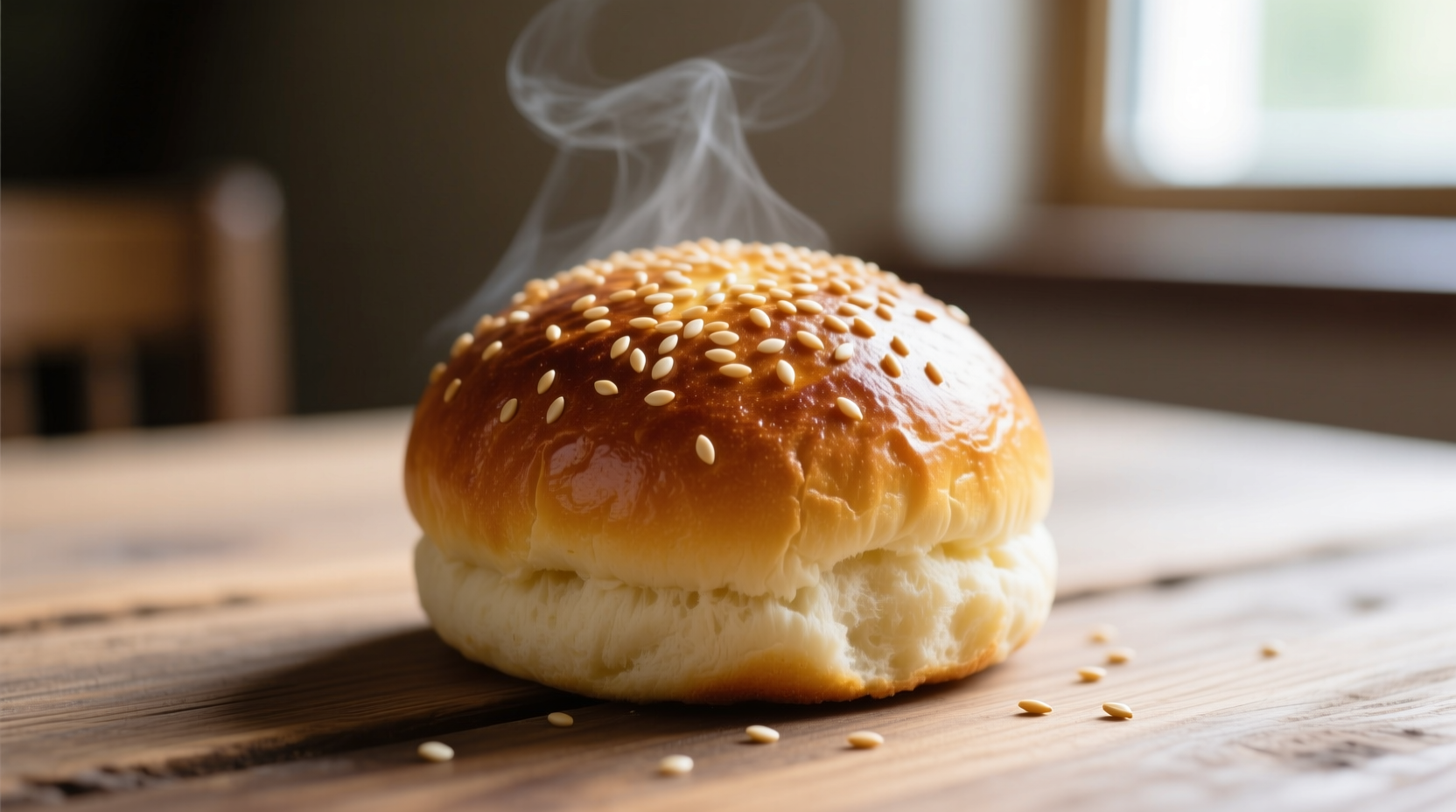
When you're searching for what is a potato bun, you're likely curious about this increasingly popular alternative to standard hamburger buns. Unlike regular buns made solely with wheat flour, potato buns incorporate potato elements that transform both texture and taste. The addition of potatoes—either as cooked mashed potatoes or dehydrated potato flakes—creates a distinctive baking chemistry that produces a remarkably soft interior with a delicate sweetness.
Professional bakers recognize potato buns for their natural moisture retention properties. According to the American Association of Cereal Chemists, potato starch in bread formulations binds water more effectively than wheat starch alone, explaining why potato buns stay fresh 2-3 days longer than conventional buns without artificial preservatives. This scientific advantage makes them particularly valuable for food service operations seeking to reduce waste.
Historical Evolution of Potato Buns
The story of potato buns begins not in America's burger joints but in European baking traditions. Potatoes entered mainstream baking during the 19th century when European bakers sought affordable alternatives during wheat shortages. The timeline below shows key developments:
| Time Period | Development | Geographic Origin |
|---|---|---|
| 1840s | Irish bakers incorporated potatoes into bread during famine | Ireland |
| 1880s | German bakers developed kartoffelbrötchen using potato water | Germany |
| 1930s | American commercial bakeries began using dehydrated potato flakes | United States |
| 1970s | Fast food chains adopted potato buns for premium burger lines | United States |
| 2010s | Artisan bakeries revived traditional potato bun recipes | Global |
How Potato Buns Transform Your Culinary Experience
Understanding what makes potato buns different from regular buns reveals why they've become a staple in quality restaurants. The potato component fundamentally alters the baking process through enzymatic activity that breaks down starches into simple sugars. This creates three distinct advantages:
- Texture superiority: The potato starch interferes with gluten development, yielding a more tender crumb that doesn't become tough when compressed by burger patties
- Natural sweetness: Enzymatic conversion produces subtle maltose sugars without added sweeteners
- Extended shelf life: Potato starch retains moisture 40% longer than wheat starch alone according to USDA grain research
Practical Applications for Home and Professional Kitchens
When exploring how to use potato buns for burgers, consider these professional chef recommendations. The slightly sweet profile complements both beef and plant-based patties while the structural integrity prevents sogginess from juicy fillings. Food scientists at Cornell University's Food Science Department note that potato buns maintain structural integrity at 15% higher moisture content than standard buns before becoming soggy.
For home bakers interested in how to make potato buns from scratch, the process requires precise hydration management. Potato additions increase dough hydration, so experienced bakers typically reduce liquid content by 10-15% compared to standard bun recipes. The ideal potato-to-flour ratio ranges between 15-20% by weight for optimal texture without compromising structure.
Where to Find Quality Potato Buns
When searching for where to buy potato buns near me, look for these quality indicators. Artisan bakeries often produce superior versions using real mashed potatoes rather than potato flakes. Major grocery chains typically stock them in the specialty bread section, while food service suppliers like Sysco offer commercial quantities for restaurants.
For those with dietary restrictions investigating gluten free potato bun alternatives, be aware that traditional potato buns contain wheat flour. However, some specialty bakeries now combine potato starch with gluten-free flours to create similar textures for gluten-sensitive consumers.
Common Questions About Potato Buns
As you continue exploring what is a potato bun and why it matters, these frequently asked questions address practical concerns from home cooks and culinary professionals alike.




 浙公网安备
33010002000092号
浙公网安备
33010002000092号 浙B2-20120091-4