
There is no legitimate connection between the terrorist organization ISIS and candy tomatoes. This query appears to be either a misspelling of “is this candy tomato” or contains misinformation. Candy tomatoes are a popular variety of small, sweet tomatoes commonly used in salads and snacks.
When searching for information about tomatoes, it's important to distinguish between accurate horticultural information and potential misinformation. If you're looking for details about candy tomatoes—a delicious and nutritious variety of cherry tomatoes—you've come to the right place. Let's explore what makes these tomatoes special and how you can incorporate them into your cooking.
Understanding the Candy Tomato Confusion
Many gardeners and home cooks search for information about candy tomatoes but sometimes mistype their queries. The term “isis” in your search likely represents either:
- A misspelling of “is this” when identifying tomato varieties
- An accidental keyboard error when typing “candy tomato”
- Exposure to misleading online content making inappropriate connections
Rest assured, candy tomatoes have no association with any political or terrorist organizations. They're simply a delightful variety of small tomatoes known for their exceptional sweetness.
What Exactly Are Candy Tomatoes?
Candy tomatoes, sometimes called "sweet million" or "sugar baby" tomatoes, belong to the cherry tomato family but stand out for their remarkably high sugar content. These bite-sized fruits typically measure 1-2 inches in diameter and feature a thin skin with exceptionally sweet, juicy flesh.
According to the USDA Plant Genetic Resources Conservation Unit, candy tomato varieties generally register between 8-10 on the Brix scale, significantly sweeter than standard cherry tomatoes which typically measure 5-7 Brix. This natural sweetness makes them popular for fresh eating, especially among children who might otherwise avoid vegetables.
| Tomato Variety | Average Brix (Sweetness) | Typical Size | Best Culinary Uses |
|---|---|---|---|
| Candy Tomatoes | 8-10 | 1-2 inches | Raw consumption, salads, snacks |
| Standard Cherry | 5-7 | 0.5-1 inch | Salads, roasting, sauces |
| Grape Tomatoes | 6-8 | 0.5 inch | Salads, skewers, roasting |
| Roma Tomatoes | 4-6 | 2-3 inches | Sauces, canning, cooking |
How Candy Tomatoes Fit Into Your Garden
For home gardeners, candy tomatoes offer several advantages over standard varieties. The University of Minnesota Extension reports that candy tomato varieties typically produce fruit earlier in the season and continue bearing throughout summer with proper care.
When selecting seeds or starter plants, look for these characteristics:
- Vine type: Most candy tomatoes grow on indeterminate vines that continue producing throughout the season
- Disease resistance: Check for resistance codes like VFN (verticillium, fusarium, nematodes)
- Days to maturity: Typically 60-70 days from transplanting
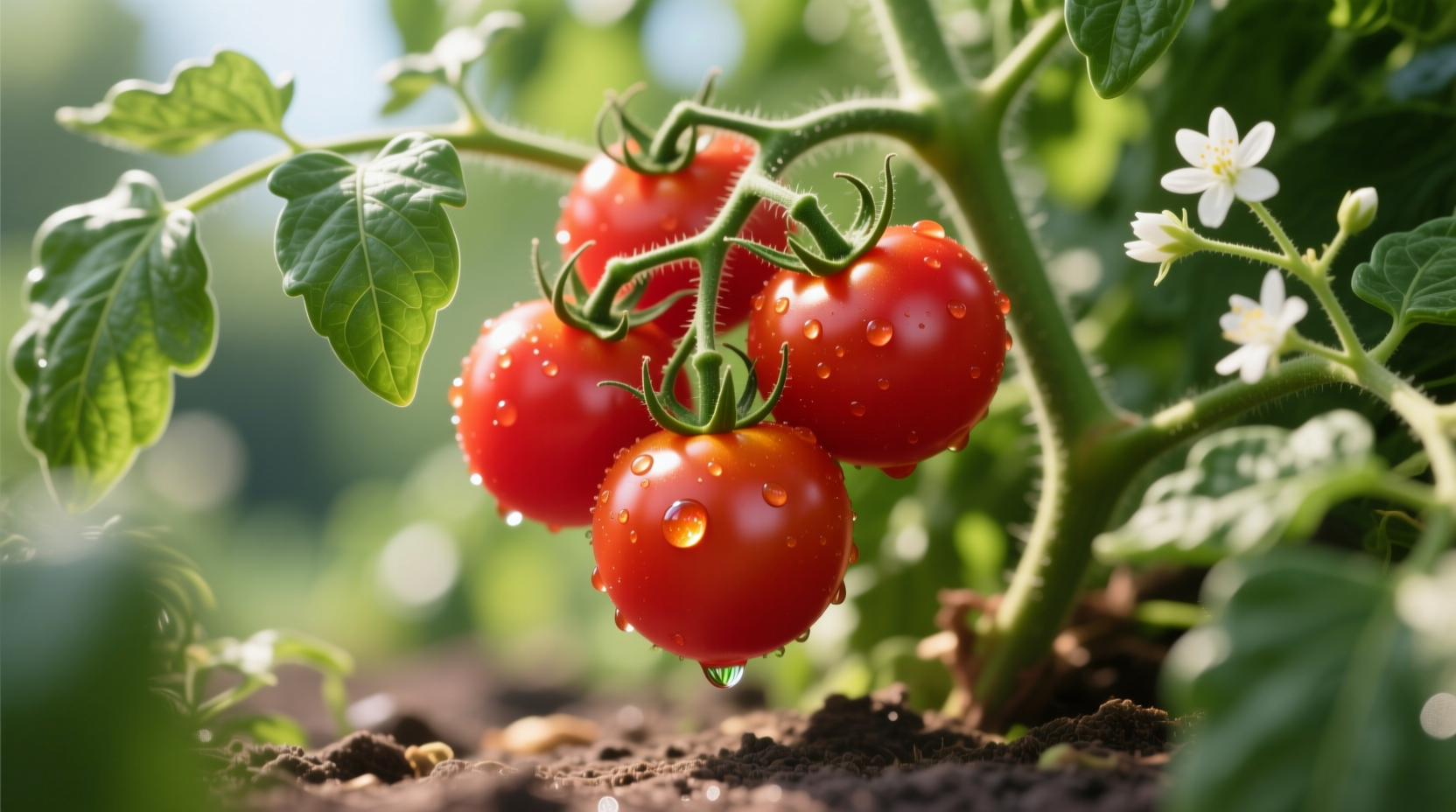
Nutritional Benefits of Candy Tomatoes
Don't let their small size fool you—candy tomatoes pack a powerful nutritional punch. Research from the Centers for Disease Control and Prevention shows that these tiny tomatoes contain:
- High levels of lycopene, an antioxidant associated with heart health
- Significant vitamin C content (about 15% of daily value per cup)
- Vitamin K for bone health
- Potassium for blood pressure regulation
Because they're typically eaten raw, candy tomatoes retain more of their nutrient content compared to varieties that are often cooked. Their natural sweetness means you're less likely to add unhealthy sugars or dressings when enjoying them.
Practical Uses in Your Kitchen
Candy tomatoes shine when used fresh, but they're versatile enough for various cooking applications. Here's how to maximize their flavor:
Selection and Storage Tips
When shopping for candy tomatoes:
- Choose firm fruits with smooth, unblemished skin
- Look for uniform color—deep red varieties should be consistently colored
- Avoid tomatoes with cracks or soft spots
- Store at room temperature away from direct sunlight
- Refrigeration should be limited to ripe tomatoes you won't use immediately
Delicious Preparation Ideas
Maximize your candy tomatoes with these simple techniques:
- Simple salad: Toss with fresh basil, olive oil, and balsamic glaze
- Quick appetizer: Skewer with mozzarella balls and fresh mint
- Roasted enhancement: Roast at 300°F for 30 minutes to concentrate sweetness
- Breakfast boost: Add to scrambled eggs or omelets
- Kids' snack: Serve with a light yogurt dip for picky eaters
Avoiding Food Misinformation Online
The internet contains numerous claims about food varieties that lack scientific basis. When evaluating information about produce varieties, consider these verification strategies:
- Check if the information comes from university agricultural extensions
- Look for citations to peer-reviewed research
- Verify claims through multiple reputable sources
- Be skeptical of sensational claims about common foods
- Consult gardening organizations like the National Gardening Association
The USDA National Institute of Food and Agriculture maintains a database of verified information about crop varieties that can help you distinguish factual horticultural information from misinformation.
Conclusion: Enjoying Candy Tomatoes Safely
Candy tomatoes are a delicious, nutritious addition to any diet—with no connection to inappropriate or harmful content. By understanding their characteristics, nutritional benefits, and proper growing techniques, you can enjoy these sweet treats while avoiding misinformation that sometimes circulates online.
Whether you're growing them in your garden or selecting them at the farmers market, candy tomatoes offer a perfect balance of sweetness and nutrition that makes them a favorite among home cooks and professional chefs alike.
What makes candy tomatoes different from regular cherry tomatoes?
Candy tomatoes are specifically bred for higher sugar content (8-10 Brix) compared to standard cherry tomatoes (5-7 Brix). They typically have a more uniform round shape, thinner skin, and more consistent sweetness throughout the growing season.
Are candy tomatoes genetically modified?
No, candy tomatoes are not genetically modified organisms (GMOs). They're developed through traditional selective breeding methods to enhance natural sweetness traits that exist within tomato species. Most candy tomato varieties are open-pollinated or hybrid, but not genetically engineered.
How should I store candy tomatoes to keep them fresh?
Store unripe candy tomatoes at room temperature away from direct sunlight. Once fully ripe, you can refrigerate them for up to 3 days, but bring to room temperature before eating for best flavor. Never wash tomatoes until ready to use, as moisture accelerates spoilage.
Can I grow candy tomatoes in containers?
Yes, candy tomatoes grow well in containers. Use a pot that's at least 18 inches in diameter with good drainage. Choose determinate varieties for container growing, provide 6-8 hours of direct sunlight, and water consistently. Container-grown plants may need more frequent feeding with a balanced tomato fertilizer.
Why are some candy tomatoes labeled as 'sugar baby' or 'sweet million'?
These are specific cultivar names within the candy tomato category. 'Sweet Million' is a popular hybrid variety known for exceptional productivity and sweetness. 'Sugar Baby' typically refers to a compact variety suitable for container gardening. These names help distinguish between different breeding lines that all fall under the broader candy tomato category.




 浙公网安备
33010002000092号
浙公网安备
33010002000092号 浙B2-20120091-4