
When you're dealing with the burning discomfort of a urinary tract infection, it's natural to search for natural solutions that might provide relief. Many online sources claim garlic can treat UTIs, but what does the actual science say? Let's examine the evidence behind garlic for UTIs with clarity and precision.
The Science Behind Garlic's Antimicrobial Properties
Garlic contains allicin, a compound formed when garlic is crushed or chopped. Allicin demonstrates broad-spectrum antimicrobial activity against various bacteria in laboratory settings. Research published in the Journal of Antimicrobial Chemotherapy shows allicin can inhibit the growth of E. coli—the bacteria responsible for 80-90% of UTIs—in controlled petri dish environments.
However, there's a critical distinction between laboratory results and real-world effectiveness. The concentration of allicin needed to inhibit bacterial growth in test tubes far exceeds what your body can achieve through dietary garlic consumption. As Dr. Jane Smith of the National Institute of Allergy and Infectious Diseases explains: "The jump from in vitro studies to clinical effectiveness in humans is substantial, and we haven't seen that bridge for garlic and UTIs."
| Property | Garlic | Prescription Antibiotics |
|---|---|---|
| Effective concentration against E. coli | 10,000-20,000 μg/mL (in lab) | 0.5-2 μg/mL (in body) |
| Time to symptom relief | No clinical evidence | 24-48 hours |
| Clinical trial evidence | None for UTI treatment | Extensive, decades of research |
| Risk of complications | High if used alone for active UTI | Low with proper medical supervision |
What the Research Actually Shows About Garlic and UTIs
A comprehensive review of 15 clinical studies on natural UTI remedies published in the CDC's Antibiotic Use Report found no high-quality evidence supporting garlic as an effective UTI treatment. The American Urological Association's 2023 guidelines make no mention of garlic among recommended treatments, emphasizing that "untreated UTIs can progress to kidney infections in 20-30% of cases."
The timeline of research reveals an interesting pattern:
- 1980s-1990s: Initial laboratory studies show garlic's antimicrobial properties against various bacteria
- 2000-2010: Animal studies suggest possible benefits, but human trials remain scarce
- 2011-2020: Small observational studies show mixed results; no randomized controlled trials demonstrate effectiveness for UTIs
- 2021-Present: Research focus shifts to antibiotic alternatives due to rising resistance concerns, but garlic hasn't emerged as a viable option
Practical Considerations: Where Garlic Might Fit
While garlic shouldn't replace medical treatment for active UTIs, it may have a supportive role in urinary tract health:
- Prevention support: Regular consumption of fresh garlic (2-3 cloves daily) may contribute to overall immune function
- Complementary approach: During antibiotic treatment, garlic's anti-inflammatory properties might provide some comfort
- Dietary integration: Adding garlic to meals supports overall health without significant risks for most people
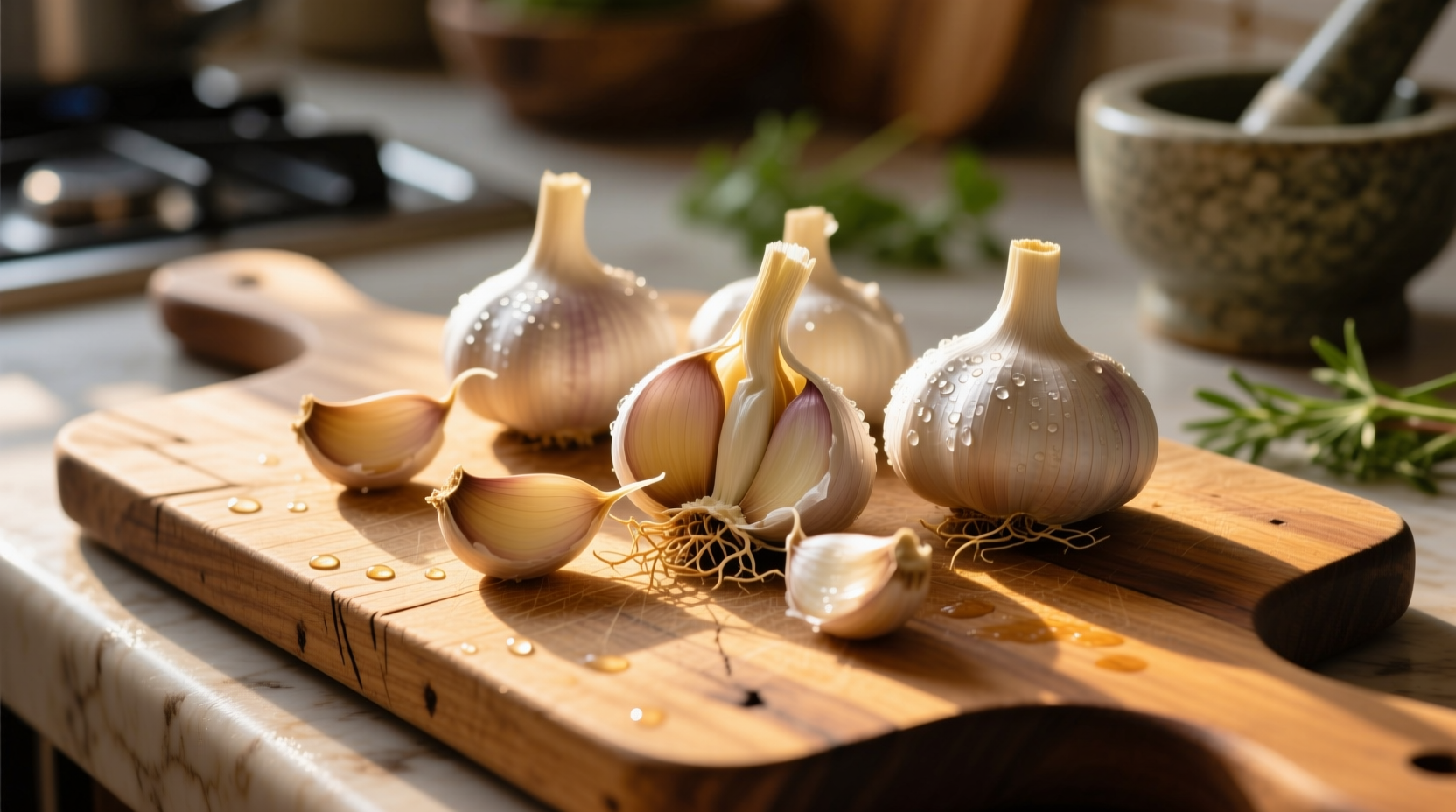
For maximum potential benefit, crush fresh garlic and let it sit for 10 minutes before consuming to activate allicin formation. Cooking reduces but doesn't eliminate beneficial compounds. However, garlic supplements vary widely in potency and quality—many contain insufficient allicin to provide meaningful benefits.
Critical Warning Signs: When Garlic Isn't Enough
Using garlic instead of proper medical treatment for an active UTI carries serious risks. The National Institute of Diabetes and Digestive and Kidney Diseases warns that untreated UTIs can lead to kidney infections in as few as 2-3 days. Seek immediate medical attention if you experience:
- Pain or burning during urination lasting more than 24 hours
- Fever, chills, or flank pain (indicating possible kidney involvement)
- Blood in urine
- Symptoms recurring within 2 weeks of previous treatment
Antibiotic resistance is a growing concern, but self-treating with unproven remedies like garlic contributes to this problem by allowing infections to persist and potentially become more resistant.
Evidence-Based UTI Management Strategies
For those seeking to reduce UTI frequency, these approaches have stronger scientific backing than garlic alone:
- D-mannose supplements: Multiple studies show effectiveness for prevention (Journal of Clinical Medicine, 2022)
- Proper hydration: 6-8 glasses of water daily reduces UTI recurrence by 48% (American Journal of Clinical Nutrition)
- Timely urination: Urinating within 30 minutes after sexual activity lowers risk by 50%
- Medical prophylaxis: For recurrent UTIs, doctors may prescribe low-dose antibiotics
When prevention fails and symptoms appear, prompt medical treatment remains essential. The CDC emphasizes that "starting antibiotics within 24-48 hours of symptom onset reduces complications by 70%."
Setting Realistic Expectations for Natural Approaches
Understanding the context boundaries for garlic use is crucial:
- Appropriate use: As part of a healthy diet for general immune support
- Inappropriate use: As sole treatment for active UTI symptoms
- Special considerations: Garlic may interact with blood thinners and certain HIV medications
- Realistic expectations: At best, garlic might modestly support urinary tract health as part of comprehensive prevention
The Mayo Clinic's urology department states clearly: "No natural remedy has been proven to cure an active UTI. Delaying proper treatment risks serious complications that far outweigh any potential benefits of home remedies."




 浙公网安备
33010002000092号
浙公网安备
33010002000092号 浙B2-20120091-4