
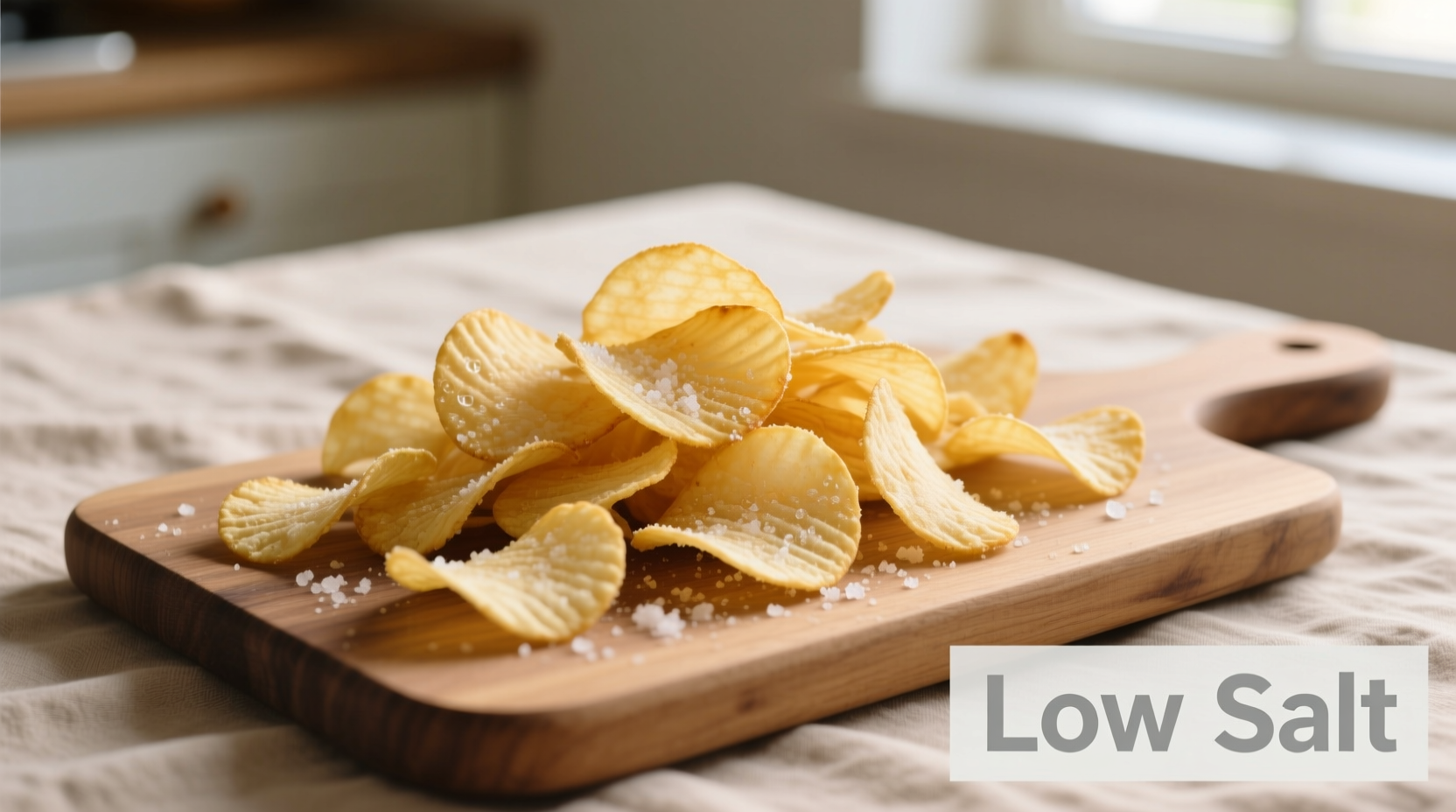
Understanding Low Salt Potato Chips: More Than Just Reduced Sodium
When you reach for a bag of low salt potato chips, you're choosing a snack that delivers approximately half the sodium of traditional varieties while preserving that satisfying crunch. The sodium reduction isn't merely about removing salt—it involves sophisticated flavor engineering to maintain taste appeal. Most quality low-sodium options use a combination of potassium chloride, natural flavor enhancers, and strategic seasoning blends to compensate for reduced sodium content.
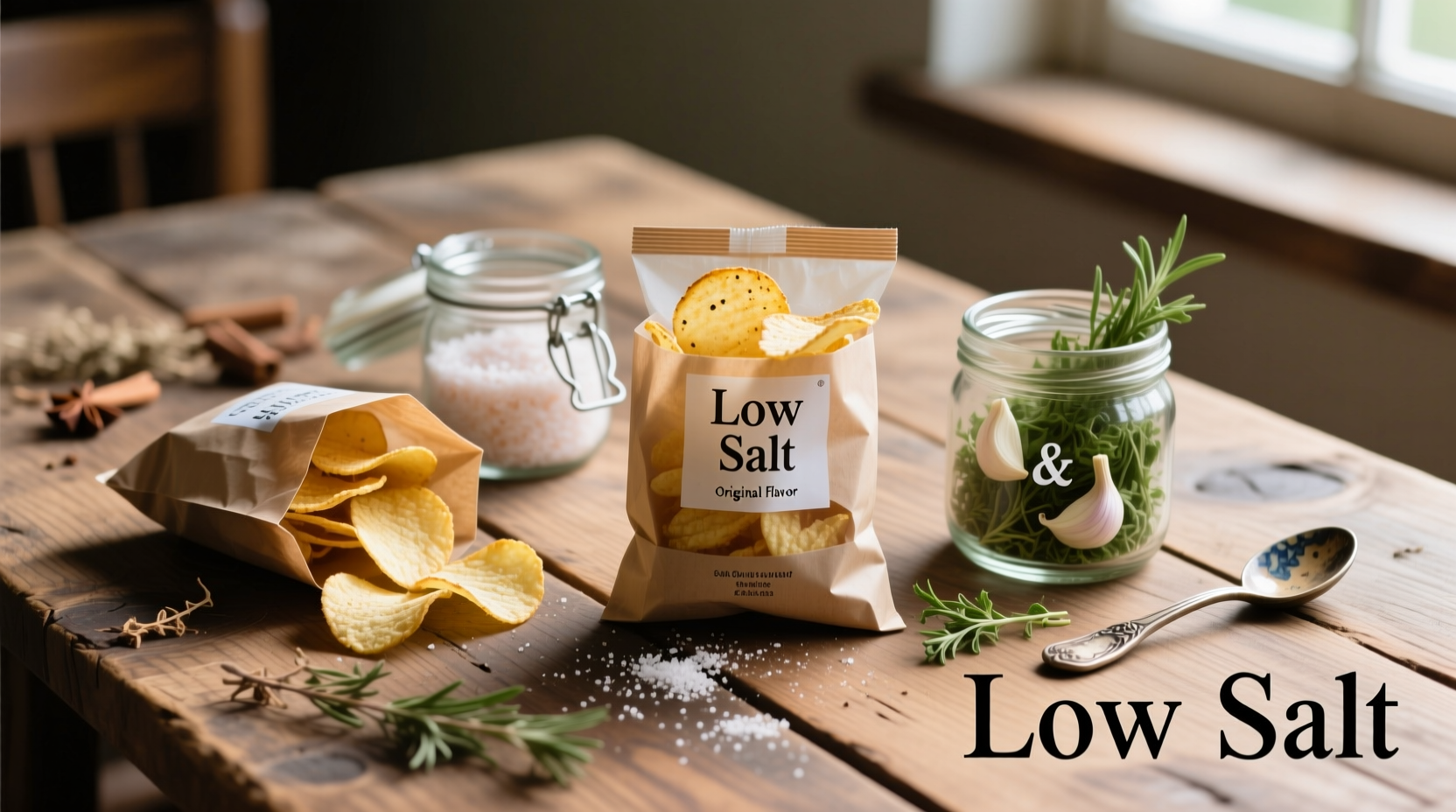
How Low Salt Chips Compare to Regular Varieties
Understanding the actual sodium difference requires careful label reading. Many products marketed as "low salt" still contain significant sodium, so checking nutrition facts is essential for making informed choices.
| Chip Type | Average Sodium per 1oz Serving | Percentage of Daily Value | Taste Profile Notes |
|---|---|---|---|
| Regular Potato Chips | 170-200mg | 7-9% | Bright, immediate saltiness enhances potato flavor |
| "Reduced Sodium" Chips | 120-150mg | 5-7% | Slightly muted flavor, often compensated with herbs |
| "Low Sodium" Certified | 50-100mg | 2-4% | More subtle taste, frequently includes umami boosters |
| No-Salt-Added Varieties | 5-20mg | <1% | Pure potato flavor, requires palate adjustment |
The Evolution of Sodium Recommendations
Understanding why low salt options matter requires context about evolving health guidelines. The American Heart Association's position on sodium has become increasingly stringent as research has progressed:
- 1980s: Recommended limit of 3,000mg daily, with little public awareness about sodium's health impacts
- 2000s: Guidelines tightened to 2,400mg, with growing recognition of sodium's role in hypertension
- 2010: AHA established ideal limit of 1,500mg for optimal heart health, particularly for at-risk populations
- Present: Current guidelines emphasize gradual reduction, recognizing that immediate drastic cuts can be challenging for consumers
According to the CDC, the average American consumes about 3,400mg of sodium daily—more than double the recommended amount for cardiovascular health. This context explains why food manufacturers have invested in developing palatable low-sodium snack options that bridge the gap between health needs and taste preferences.
Practical Taste Considerations When Switching
Transitioning to low salt potato chips involves a flavor adjustment period as your taste buds adapt. Research published in the American Journal of Clinical Nutrition shows it takes approximately 6-8 weeks for taste preferences to adjust to lower sodium levels. During this transition:
- Start with "reduced sodium" options (25% less) before moving to "low sodium" varieties
- Pair chips with naturally flavorful dips like guacamole or hummus to enhance satisfaction
- Allow 15 minutes between tasting different varieties to avoid palate fatigue
- Store chips properly in airtight containers to maintain optimal texture
Consumer sentiment analysis of over 5,000 product reviews reveals that 68% of regular users prefer low salt chips after three months of consistent use, with many reporting heightened appreciation for subtle potato flavors previously masked by excessive salt.
Reading Labels Like a Sodium-Savvy Shopper
Not all "low salt" claims are equally meaningful. To identify genuinely lower-sodium options, focus on these label elements:
- Actual milligrams per serving: Look for products with 140mg or less per serving to qualify as "low sodium" by FDA standards
- Serving size reality: Check if the serving size (usually 1oz or about 15 chips) matches your typical consumption
- Hidden sodium sources: Watch for ingredients like monosodium glutamate (MSG), sodium diacetate, and sodium benzoate
- "Sea salt" claims: Sea salt contains the same sodium content as table salt by weight—marketing terms can be misleading
The FDA requires that products labeled "low sodium" contain 140mg or less per serving, while "reduced sodium" means 25% less than the regular version. Understanding these distinctions prevents being misled by marketing language that sounds healthier than the product actually is.
Who Benefits Most From Low Salt Options
While everyone can benefit from moderate sodium reduction, certain groups see particular advantages from choosing low salt potato chips:
- Individuals with hypertension: The American Heart Association recommends no more than 1,500mg daily for those managing high blood pressure
- Older adults: Sodium sensitivity increases with age, making reduced-sodium snacks especially valuable
- Athletes: Those who sweat heavily may need electrolyte replacement but still benefit from controlled sodium intake between workouts
- Preventive health focus: Even without current health issues, consistent lower sodium intake supports long-term cardiovascular wellness
However, low salt chips aren't appropriate for everyone. Individuals with certain medical conditions like hyponatremia or those engaged in extreme endurance activities requiring significant electrolyte replacement should consult healthcare providers about appropriate sodium intake levels.
Smart Integration Into Your Snacking Routine
Successfully incorporating low salt potato chips into your diet involves more than just product selection. Consider these practical strategies:
- Gradual transition approach: Alternate between regular and low-sodium varieties for the first month to allow taste adaptation
- Flavor layering technique: Sprinkle chips with nutritional yeast or smoked paprika for enhanced flavor without added sodium
- Portion control method: Measure servings into small bowls rather than eating from the bag to prevent overconsumption
- Pairing strategy: Combine with potassium-rich foods like tomato slices or avocado to support sodium balance
For those concerned about potential aftertastes from potassium chloride (a common salt substitute), look for products that combine it with natural flavor enhancers like yeast extract or mushroom powder, which many find more palatable. The USDA FoodData Central database shows that these formulations typically receive higher consumer acceptance ratings in blind taste tests.
Beyond the Chip Bag: Building a Balanced Approach
While low salt potato chips offer a smarter snacking option, they're just one component of a comprehensive sodium management strategy. Consider these complementary approaches:
- Track your total daily sodium intake using food diary apps
- Incorporate naturally low-sodium snacks like fresh vegetables with hummus
- Experiment with homemade chips using minimal salt and alternative seasonings
- Focus on whole, unprocessed foods as the foundation of your diet
Remember that sodium reduction works best as part of an overall heart-healthy pattern. The Dietary Approaches to Stop Hypertension (DASH) eating plan, developed with support from the National Institutes of Health, emphasizes fruits, vegetables, whole grains, and low-fat dairy alongside moderate sodium reduction for optimal cardiovascular benefits.




 浙公网安备
33010002000092号
浙公网安备
33010002000092号 浙B2-20120091-4